

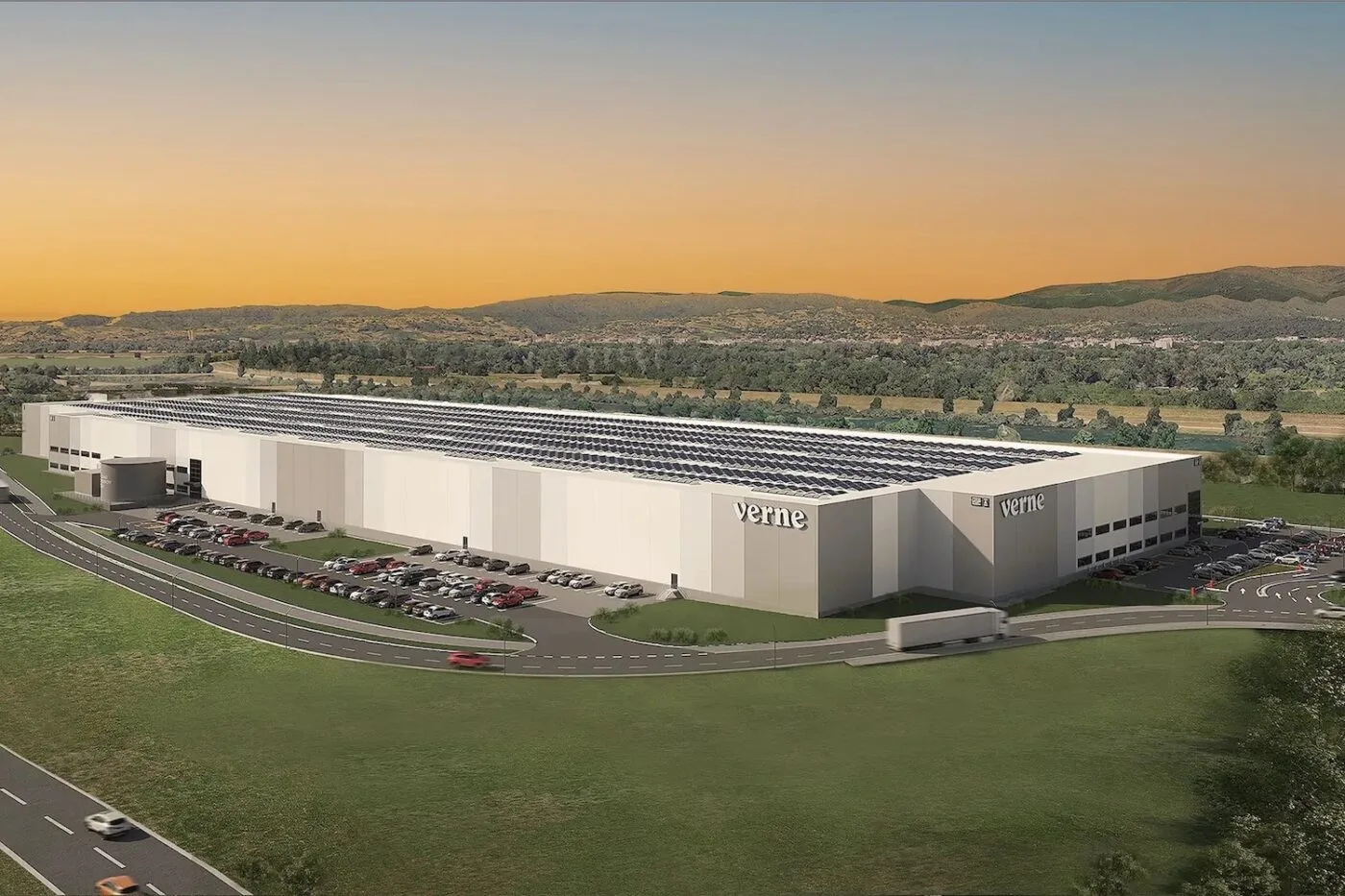
Verne, a subsidiary of Croatian electric hypercar maker Rimac, has begun construction of a factory near Zagreb to manufacture autonomous electric vehicles for its planned robotaxi service, the company announced.
The production facility, located on a 28,500-square-meter site in Lučko, is part of Verne’s broader strategy to develop and deploy self-driving, two-seater electric taxis. “The construction of the Verne large-scale production factory is a strategically important step for our company and a significant contribution to the development of a future-oriented automotive industry in Croatia,” said Marko Pejković, CEO and co-founder of Verne. “This is the first factory of its kind in the region, positioning Croatia as a key player in the modern automotive industry.”
See also: Rimac Completes Phase One of New Croatian Production Campus
Verne plans to launch its autonomous ride-hailing service in 2026, starting in Zagreb before expanding to Germany, the UK, and the Middle East. The company’s autonomous vehicle, designed without a steering wheel or pedals, will be fully electric and operate without a safety driver.
The factory is being developed in partnership with logistics and industrial real estate provider VGP, which will own the facility under a long-term lease agreement. Construction is expected to be completed by the end of 2024, creating up to 400 jobs.
See also: Saudi EV Brand Ceer Partners with Rimac Technology for Electric Drives in Flagship Models
Although Rimac is a key stakeholder in Verne, the subsidiary has attracted investments from several international partners. South Korea’s Kia invested early, while a €100 million Series C funding round in 2023 was led by Saudi Arabia’s Tasaru Mobility Investments, a unit of the country’s Public Investment Fund. Qatar’s Elaf Auto is also among the backers, underscoring the Middle East’s significance as a target market.
Verne has secured €179.5 million in EU funding for its development efforts but emphasized that the factory’s construction, equipment, and maintenance costs are being covered by private investment.