
Renault is reportedly planning to transform its Palencia manufacturing plant in Spain into a production hub for three next-generation electric SUVs beginning in 2028, according to a report by La Tribuna de Automoción.
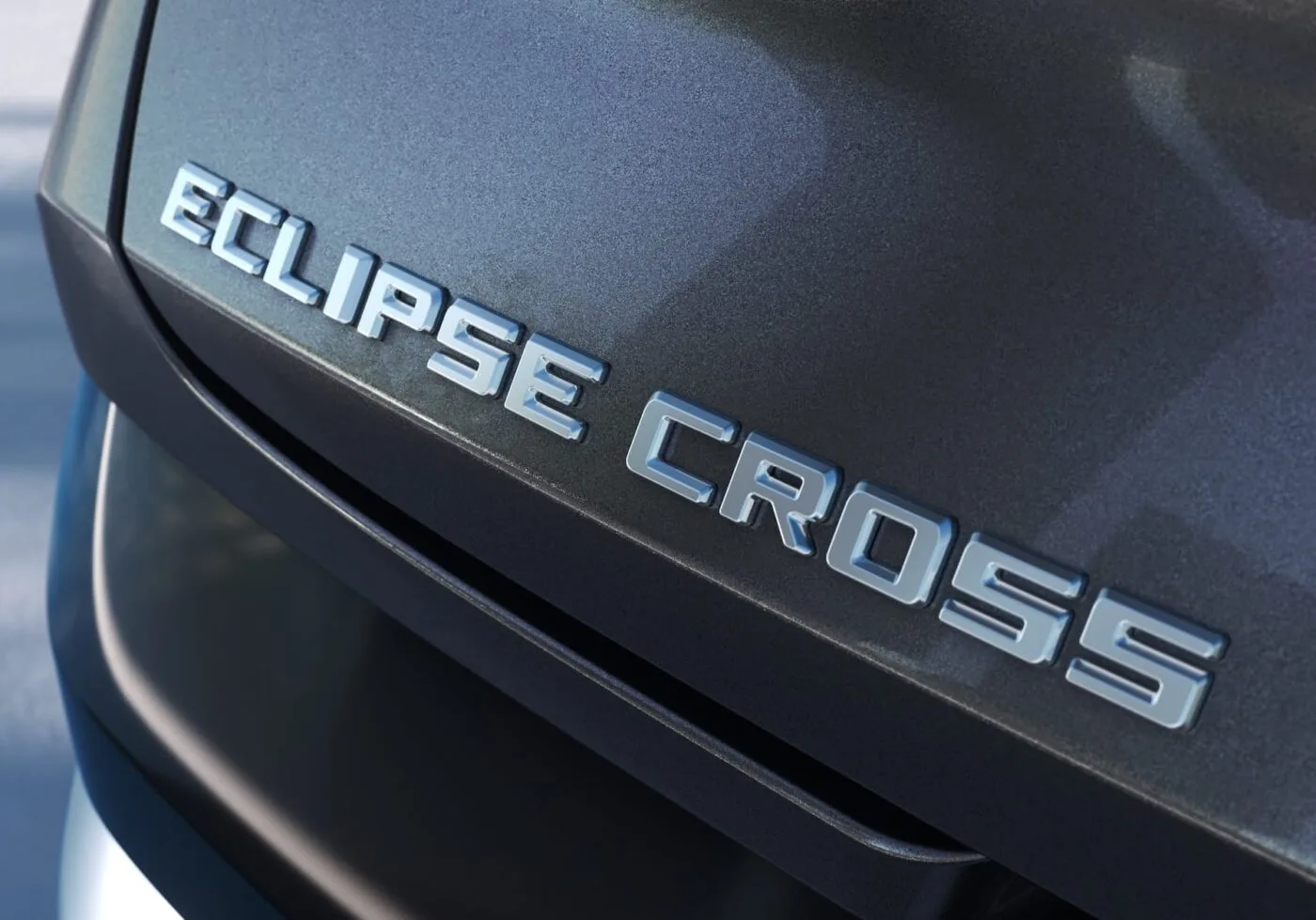
The publication, citing industry sources, said the facility is expected to manufacture the next-generation Renault Rafale, Renault Scenic, and the battery-electric Mitsubishi Eclipse Cross as part of Renault’s long-term electrification strategy.
Three Electric SUVs Planned for Palencia
According to the report, production of the electric Renault Rafale is scheduled to begin in June 2028, followed by the next-generation Renault Scenic in April 2029.
Production of the next-generation electric Mitsubishi Eclipse Cross is expected to start in July 2029.
Renault had previously announced that the Palencia factory would begin producing three new models from 2028, including two battery-electric vehicles and one model equipped with a range-extender powertrain, but it did not identify the vehicles at the time.
The latest report suggests the three SUVs will be consolidated at the Spanish facility under Renault’s Fifth Industrial Plan for Spain.
According to the publication, Renault expects average annual production of around 150,000 vehicles over six years, with the Scenic and Eclipse Cross accounting for the largest share of output.
New Platform to Support Future Models
The three vehicles are expected to be built on Renault’s upcoming RGEV Medium 2.0 platform, introduced earlier this year as part of the company’s futuREAdy strategy.
The new 800-volt architecture is designed to support vehicles across multiple market segments and body styles while enabling faster charging and greater manufacturing flexibility.
Renault has said the platform is intended to support driving ranges of up to 750 kilometers (WLTP) for fully electric models and future charging times of approximately 10 minutes by the end of the decade.
The platform is also being developed to accommodate multiple battery formats—including prismatic, blade, and pouch cells—as well as both long-range battery chemistries and more cost-effective solutions for mainstream models.
Expansion of Renault’s EV Manufacturing
The Palencia plant is also expected to continue producing the Renault Austral, which is scheduled to receive a facelift in 2028 that could include a range-extender powertrain alongside existing hybrid variants.
Renault said its future vehicle platform will also support extended-range electric vehicle (EREV) configurations capable of delivering driving ranges of up to 1,400 kilometers while maintaining carbon dioxide emissions below 25 grams per kilometer.
The reported production plans would further diversify Renault’s electric vehicle manufacturing footprint beyond its ElectriCity production network in northern France, where many of its current battery-electric passenger vehicles are assembled.