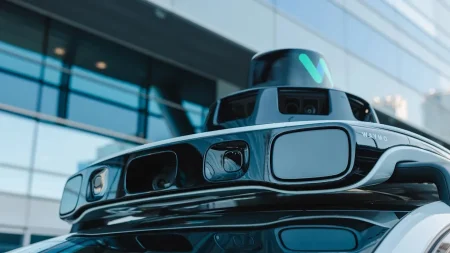


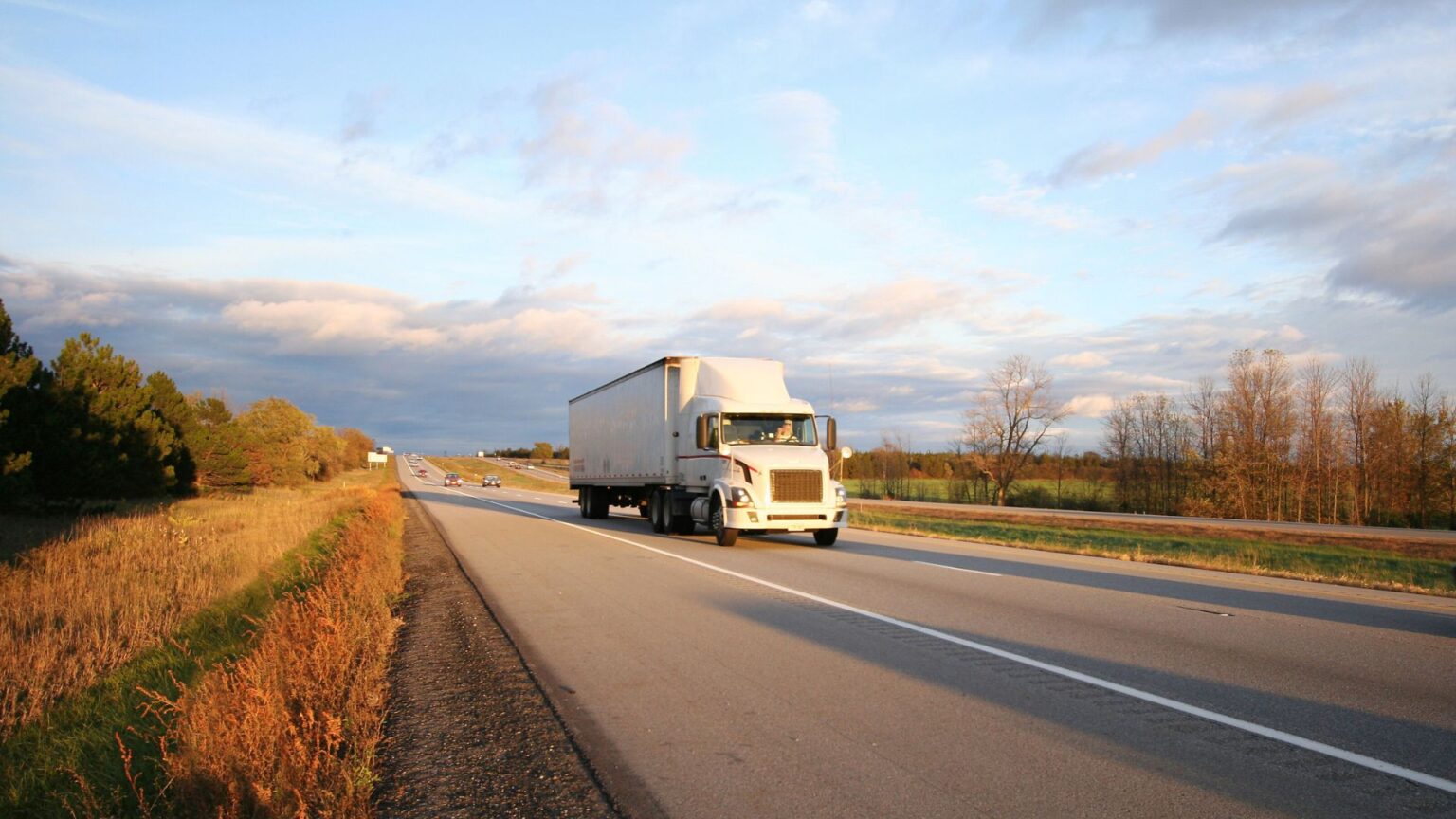
Raytron has launched a line of advanced thermal-imaging cameras designed for commercial vehicles, aiming to provide wide-angle, all-weather perception for autonomous and assisted driving systems, the company said. The Pilot 180P system uses a triple-lens architecture to deliver a 180-degree horizontal field of view, helping to reduce blind spots common on large trucks, Raytron said.
The technology is intended for heavy-duty and off-road environments—such as mines, ports and construction sites—where visible-light cameras and lidar can be degraded by darkness, dust or fog. By detecting heat signatures, thermal sensors maintain target detection of vehicles, people and animals regardless of lighting conditions, the company added.
Raytron highlighted the Pilot 180P’s close-range monitoring and real-time image stitching, and said its Horus 640-D module can be integrated with lidar and millimetre-wave radar as part of a sensor-fusion stack. That fusion, the company said, supports predictive safety functions that track heat-source movement and estimate distance to trigger warnings or automated responses.
The firm said the cameras are already deployed in KargoBot’s L4 autonomous truck fleet in Ordos and are being used by several vehicle makers and solution providers, including Zhizi Automobile, Breton and Lovol, as well as autonomy partners such as Plus Ai and Waytous. Raytron described these partnerships as part of a push to make infrared imaging a core sensing modality for commercial autonomy rather than a secondary aid.
No direct quote appeared in the source provided for this rewrite, so none is included here. The original material did state that the thermal approach “ensures 24/7 environmental awareness” and stressed the importance of eliminating operational blind spots for large vehicles.
Industry proponents say thermal imaging can be especially valuable for platooning and unmanned yard operations, where rapid detection of vulnerable road users or equipment is critical. Raytron also emphasised the modular nature of its systems, which support integration into existing ADAS or autonomous stacks without replacing established sensors.