
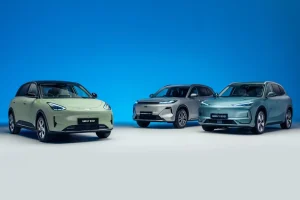



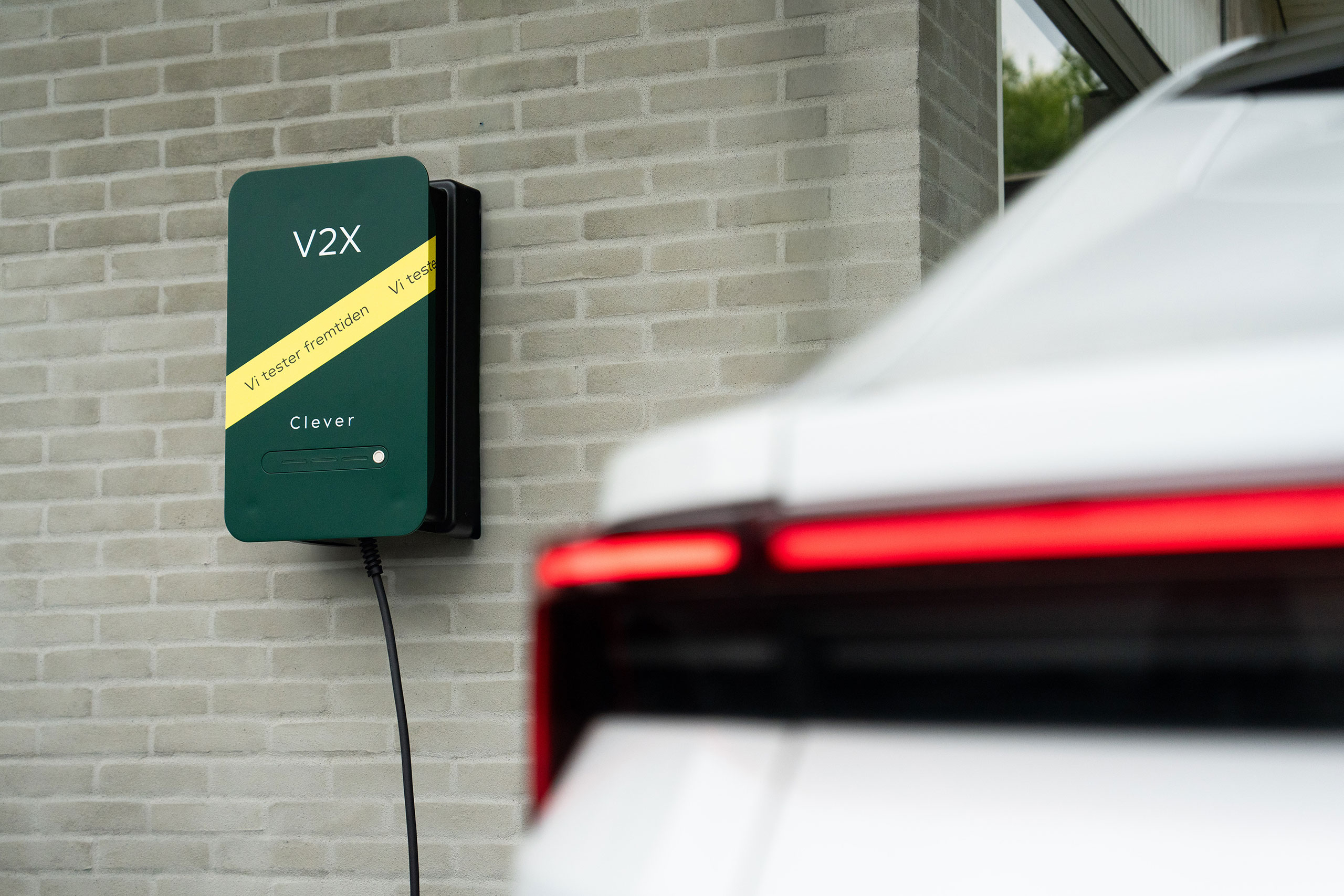
Polestar and Danish charging operator Clever have launched what they describe as Denmark’s first complete vehicle-to-everything (V2X) pilot project, using the Polestar 4 electric SUV to test the ability of electric vehicles to supply power to homes, support the electricity grid and provide backup energy during outages.
The pilot will run through autumn 2026 and is intended to evaluate how bi-directional charging can be integrated into both household energy management and wider electricity networks.
The project encompasses three key applications of V2X technology. Vehicle-to-home (V2H) functionality allows electricity stored in the vehicle battery to power a home during periods of high energy demand. Vehicle-to-grid (V2G) capability enables energy to be fed back into the electricity network when required. The third use case, known as islanding, allows the vehicle to serve as an emergency power source during grid outages.
Clever said its existing smart charging platform, which currently optimizes charging based on electricity prices, will be expanded to manage both charging and discharging operations.
According to the companies, a fully charged Polestar 4 could supply electricity to an average Danish household for several days when operating in backup power mode.
Christina Fink, Chief Executive Officer of Clever, said the pilot is intended to pave the way for commercial V2X services.
“In 2027, the ambition is for Clever to launch the first commercial V2X solutions,” said Christina Fink, Chief Executive Officer of Clever.
Polestar said the project relies on the software-defined architecture of the Polestar 4, which allows new vehicle functions to be activated through over-the-air software updates.
The automaker noted that production versions of the Polestar 4 do not currently support bi-directional charging, but the pilot is intended to demonstrate how the functionality could be enabled in the future without requiring major hardware changes.
According to Polestar, the initiative aims to reduce energy costs for vehicle owners, help stabilize electricity networks and support greater integration of renewable energy sources.
The project also serves as a real-world test of software-based activation of energy services, a concept that could become increasingly important as automakers seek to expand the capabilities of existing electric vehicle fleets through software updates.
If successful, the trial could establish Denmark as an early reference market for V2X deployment in Europe. The country’s high share of renewable energy generation and active demand-response electricity markets make it a suitable environment for testing grid-interactive vehicle technologies.
The pilot is also expected to provide insights into practical challenges surrounding V2X implementation, including energy metering, electricity tariffs, grid integration requirements and regulatory compliance.
For the broader industry, the project offers one of the clearest indications yet of a timeline for commercial V2X deployment in Europe. The companies’ target of launching commercial services in 2027 provides a near-term benchmark for automakers, charging infrastructure providers, utilities and regulators evaluating the role of electric vehicles as distributed energy assets.
The trial reflects growing interest across the automotive and energy sectors in using electric vehicle batteries not only for transportation but also as flexible energy storage resources capable of supporting homes and power grids.