
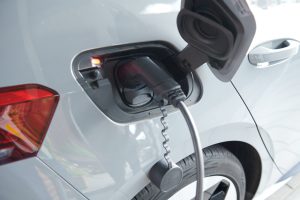




The Philippines has reached a total of 912 publicly accessible electric vehicle (EV) charging stations, as the country aims to dramatically scale up its EV infrastructure to 7,300 public chargers by 2028, the Department of Energy (DOE) said.
The expansion is focused on the National Capital Region, including Manila and 16 surrounding local government units. The DOE said it will soon publish new guidelines for charge point operators, detailing technical and safety standards—particularly for fast chargers that provide high-speed energy delivery to EV batteries.
“Our goal of deploying over 7,000 EV charging stations by 2028 is ambitious but achievable,” said Energy Utilization Management Bureau Director Patrick T. Aquino. “By combining infrastructure development with public engagement, we can accelerate the transition to EVs and build a cleaner, more sustainable transportation sector,” he added.
The DOE also said it is working with stakeholders to explore installation of charging facilities at petrol stations and designated parking zones. The move comes amid broader efforts to develop a full-fledged EV ecosystem in the country.
See also: Mober Launches Philippines’ Largest Commercial EV Charging Hub to Support Fleet Expansion
Earlier this year, the Asian Development Bank (ADB) committed up to $100 million in funding to Ayala Corporation to support EV-related initiatives. The Philippines also recently launched its largest commercial EV charging hub, ‘Central Charge,’ near Manila, equipped with 52 units of 7 kW AC chargers and four 60 kW DC fast chargers.


