



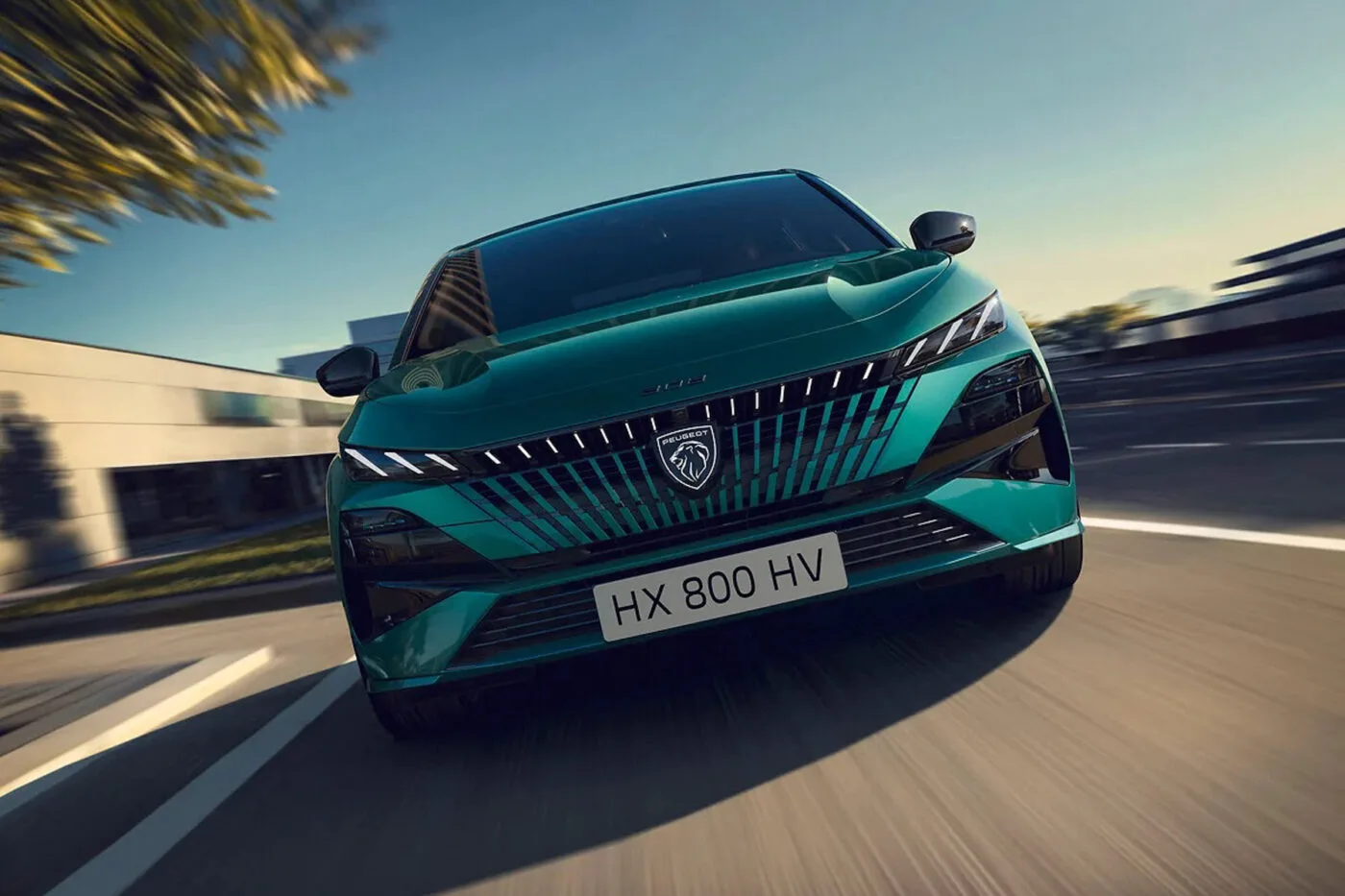
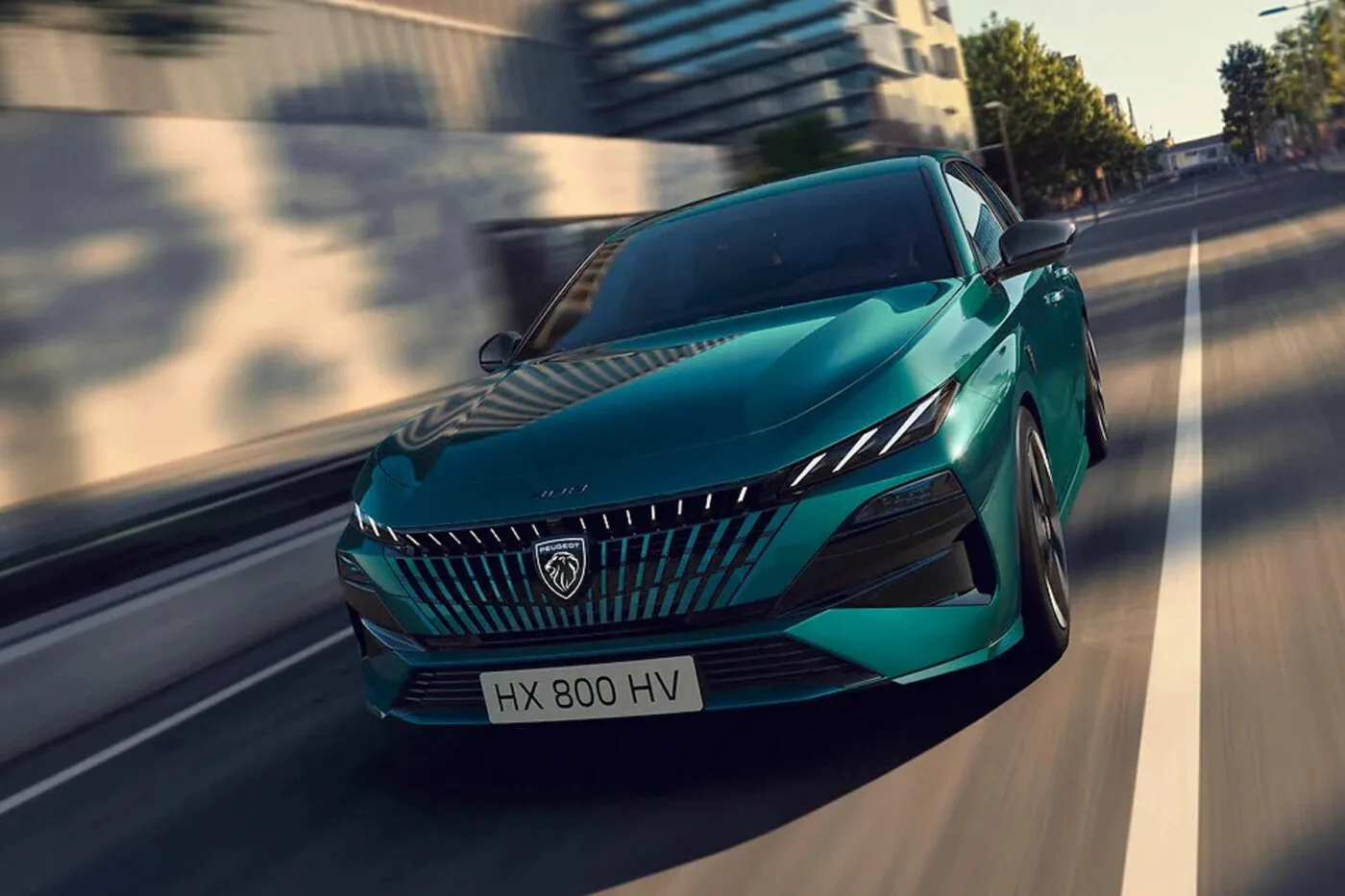
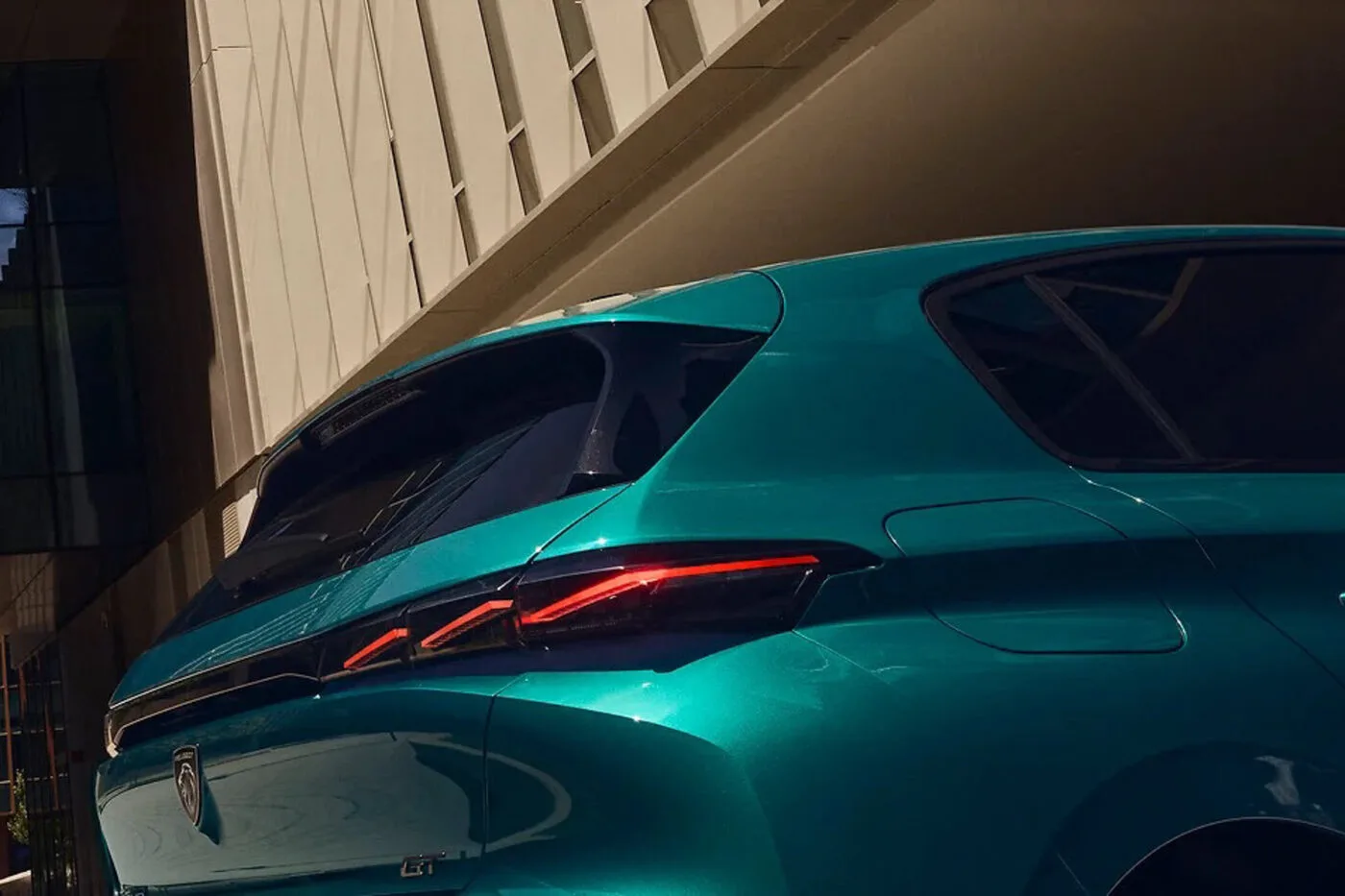
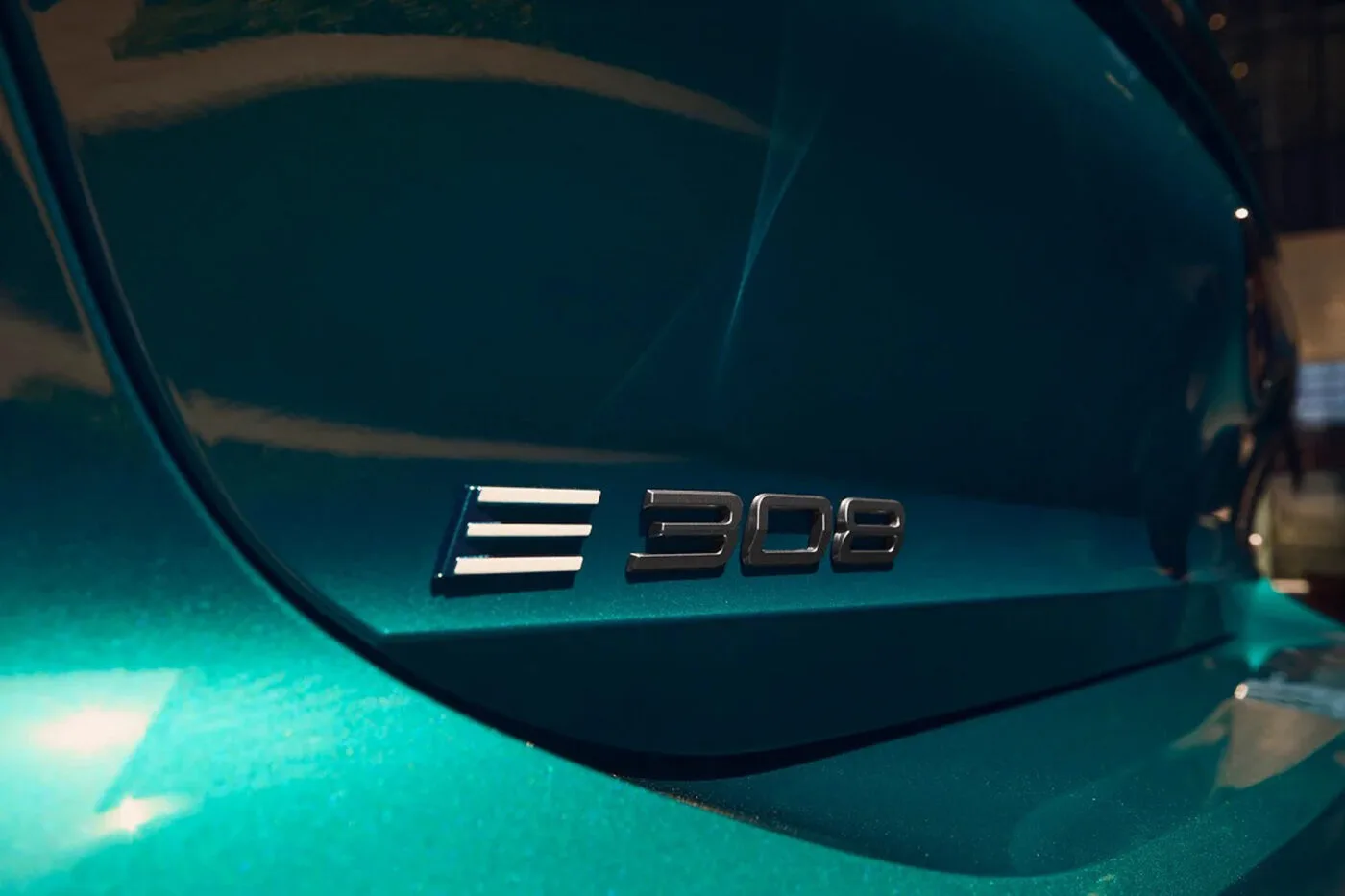
Peugeot has unveiled comprehensive updates for its E-308 hatchback and E-308 SW estate, adding a larger battery, expanded charging capabilities and a refreshed design as part of a mid-cycle facelift that will be available to order in autumn 2025.
The fully electric 308 range, first announced in 2022 and introduced in Germany the following year, is undergoing a relatively early refresh compared to conventional product cycles.

Peugeot has described the update as “much more than a model update,” introducing features that could later extend to other Stellantis Group vehicles built on the same EMP2 platform, including the Opel Astra Electric. The E-308 is assembled in Mulhouse, France, while the Astra counterpart is manufactured in Rüsselsheim, Germany.
At the core of the technical changes is a new 58.4 kWh battery, of which 55.4 kWh is usable. This replaces the previous 54 kWh unit (51 kWh usable) and is expected to boost range to around 450 kilometres, up from 412 km depending on configuration.
The electric motor, rated at 115 kW and developed by a Stellantis-Nidec joint venture, remains unchanged. Despite the larger capacity, the battery retains a 400-volt architecture, meaning fast charging performance is largely similar.
Peugeot estimates a 20-80% recharge will take about 32 minutes at a 100 kW DC station, though industry-standard 10-80% comparisons suggest the process remains slower than some rival EVs launched in 2025.
In addition to the battery upgrade, the facelift introduces several new functions. Both the E-308 and E-308 SW now come equipped with Vehicle-to-Load (V2L) capability, allowing the car to deliver up to 3.5 kW of power for external devices when used with an adapter from Peugeot’s accessories range.
From spring 2026, the models will also support Plug&Charge via an over-the-air software update. The system enables automatic vehicle identification at compatible charging stations, eliminating the need for payment cards or apps, with transactions visible through the vehicle display or Peugeot’s Free2move Charge app.
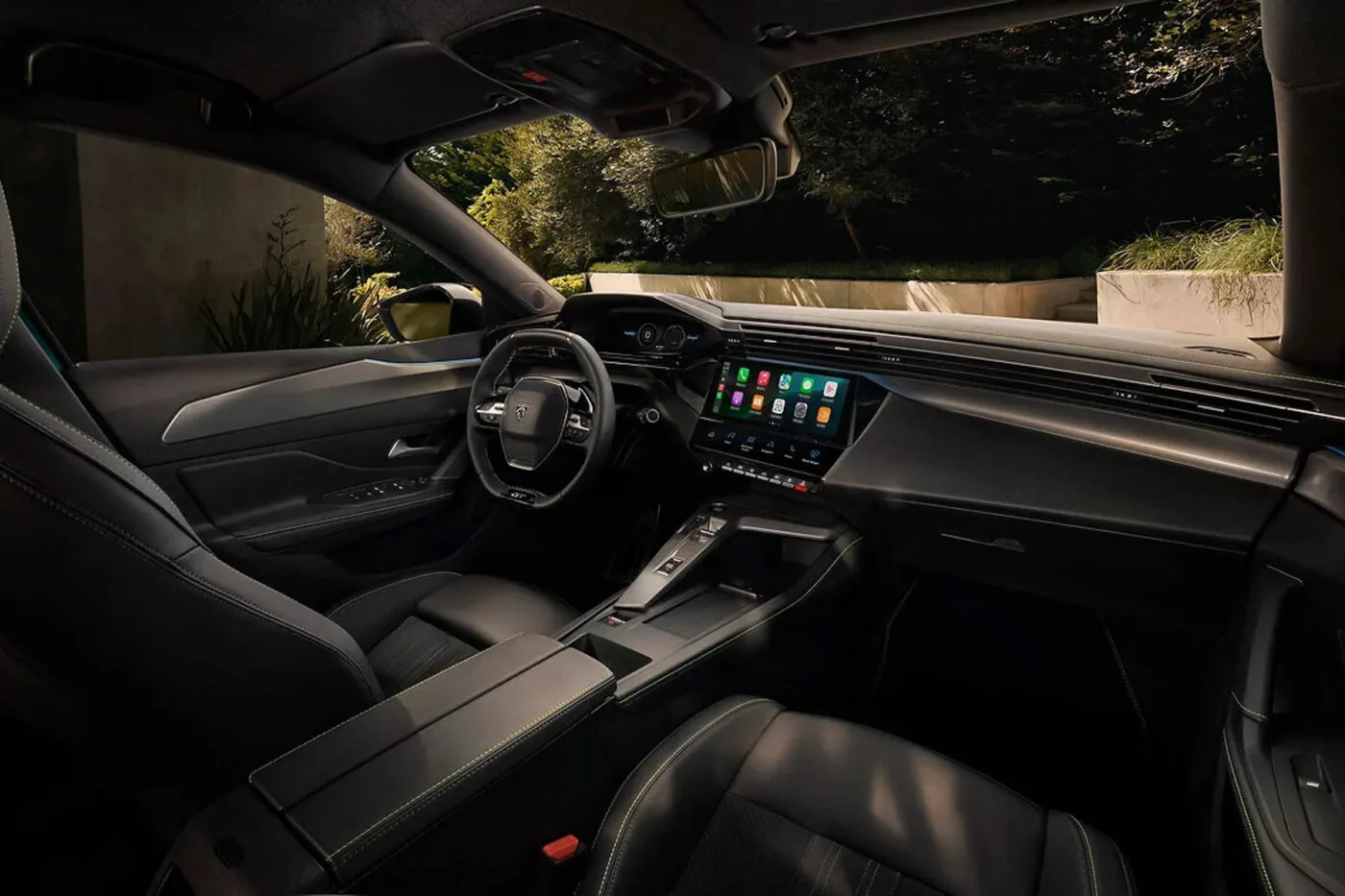
Peugeot has also integrated a dynamic charging route planner into the onboard navigation system. Unlike the current Stellantis setup, which only allows fixed routes with predetermined charging stops, the updated system calculates journeys based on real-time factors such as battery level, desired state of charge on arrival, road type, speed, traffic and elevation. The aim is to provide more accurate and adaptive guidance for long-distance electric driving.
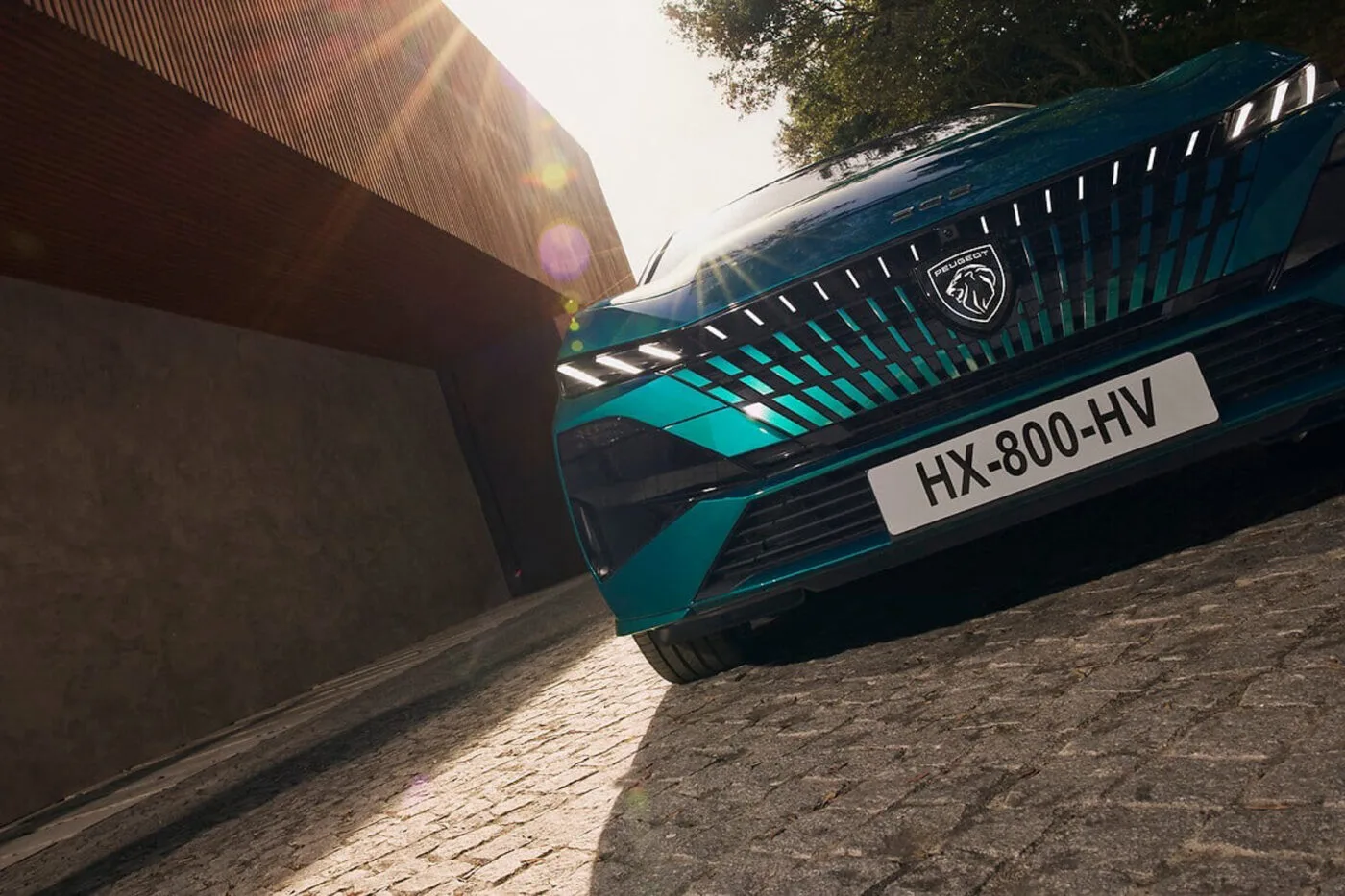
Visually, the facelifted E-308 incorporates Peugeot’s latest design language, already seen on the E-3008 and E-5008 built on the STLA Medium platform. The changes include a new grille, redesigned bumper, and the brand’s three-claw LED light signature.
Higher trims from GT level upwards will also feature an illuminated Peugeot badge on the front for the first time. The updated design, along with revised wheel options, is intended to improve aerodynamics while reinforcing the model’s positioning as Stellantis’ sport-oriented French brand.
Pricing for the updated models has not yet been disclosed. The current E-308 and E-308 SW start at £37,435 in the UK. Peugeot said both body styles will be available to order in autumn 2025, with deliveries expected to follow shortly thereafter.


