



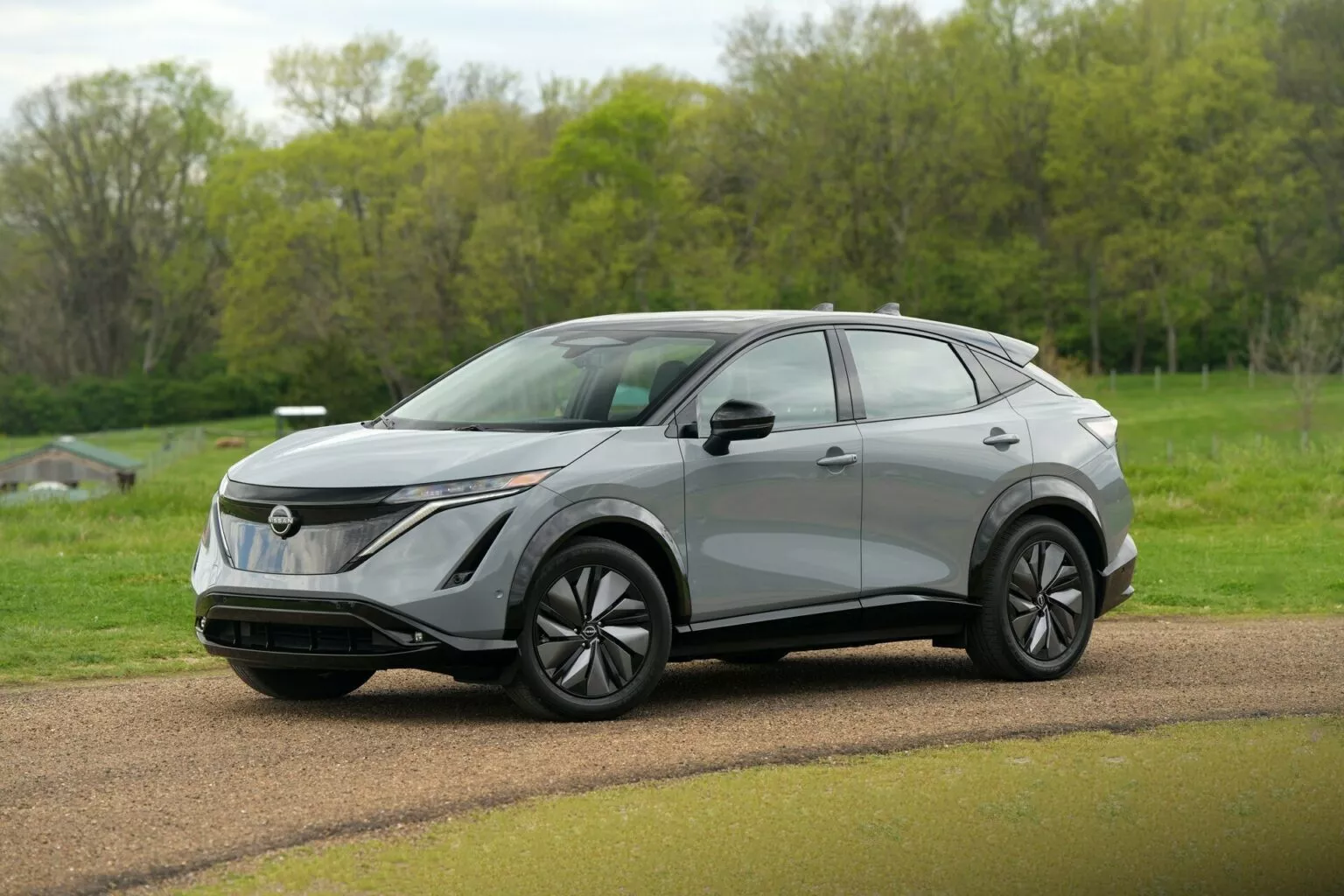
Nissan’s electric vehicle lineup in the United States is undergoing another shakeup, with the Ariya crossover set to be discontinued after the 2025 model year. Barely three years after its launch, the electric SUV will be pulled from the U.S. market as the automaker reallocates resources toward the upcoming 2026 Leaf, according to a dealer memo first reported by Automotive News and later confirmed by Nissan.
“Nissan is pausing production of the MY26 Ariya for the U.S. market and reallocating resources to support the launch of the all-new 2026 Leaf, which will have the lowest starting MSRP out of all new EVs currently on sale in the U.S.,” a spokesperson told Carscoops. While existing dealer inventory will remain available until stock runs out, Nissan emphasized that current Ariya owners will continue to receive service, parts, and warranty coverage.

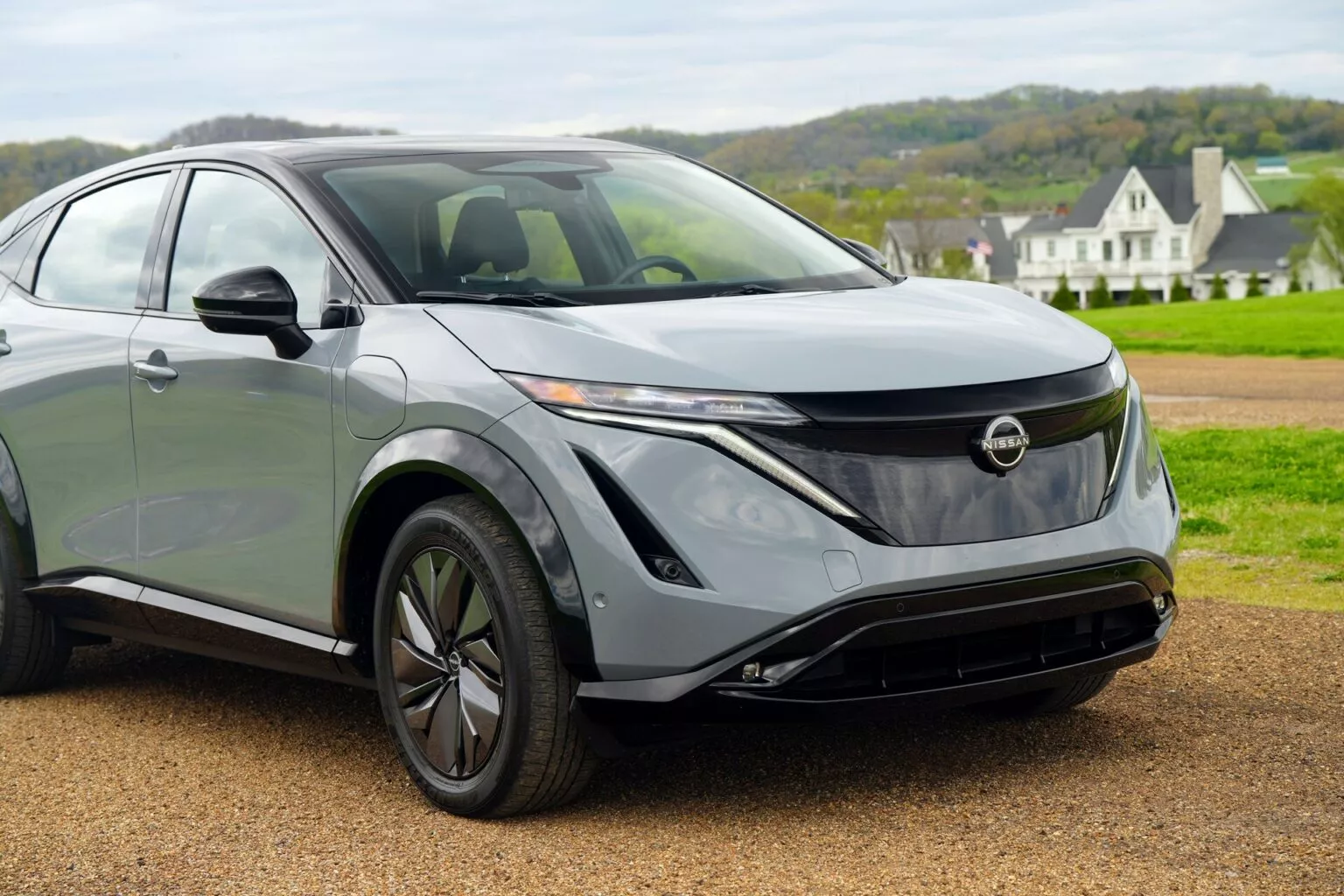
The company stopped short of confirming whether the Ariya could return after the pause. “No decision has been made yet. We continue to monitor the market environment and will respond accordingly to ensure we are meeting consumer demand with the right line-up of electrified products,” the spokesperson added. That uncertainty raises fresh questions about Nissan’s long-term EV strategy, particularly as the brand has struggled to establish firm ground against rivals in an increasingly competitive electric crossover segment.
Nissan framed the decision as a response to changing consumer preferences in the U.S. EV market, where affordability has become a top priority for buyers. “The U.S. EV market is dynamic, and this is a proactive response to evolving consumer preferences,” the company said. “As demand grows for affordable and practical electrified vehicles, Nissan is leading with products that deliver both innovation and value. The all-new 2026 Leaf is key to meeting this demand.”

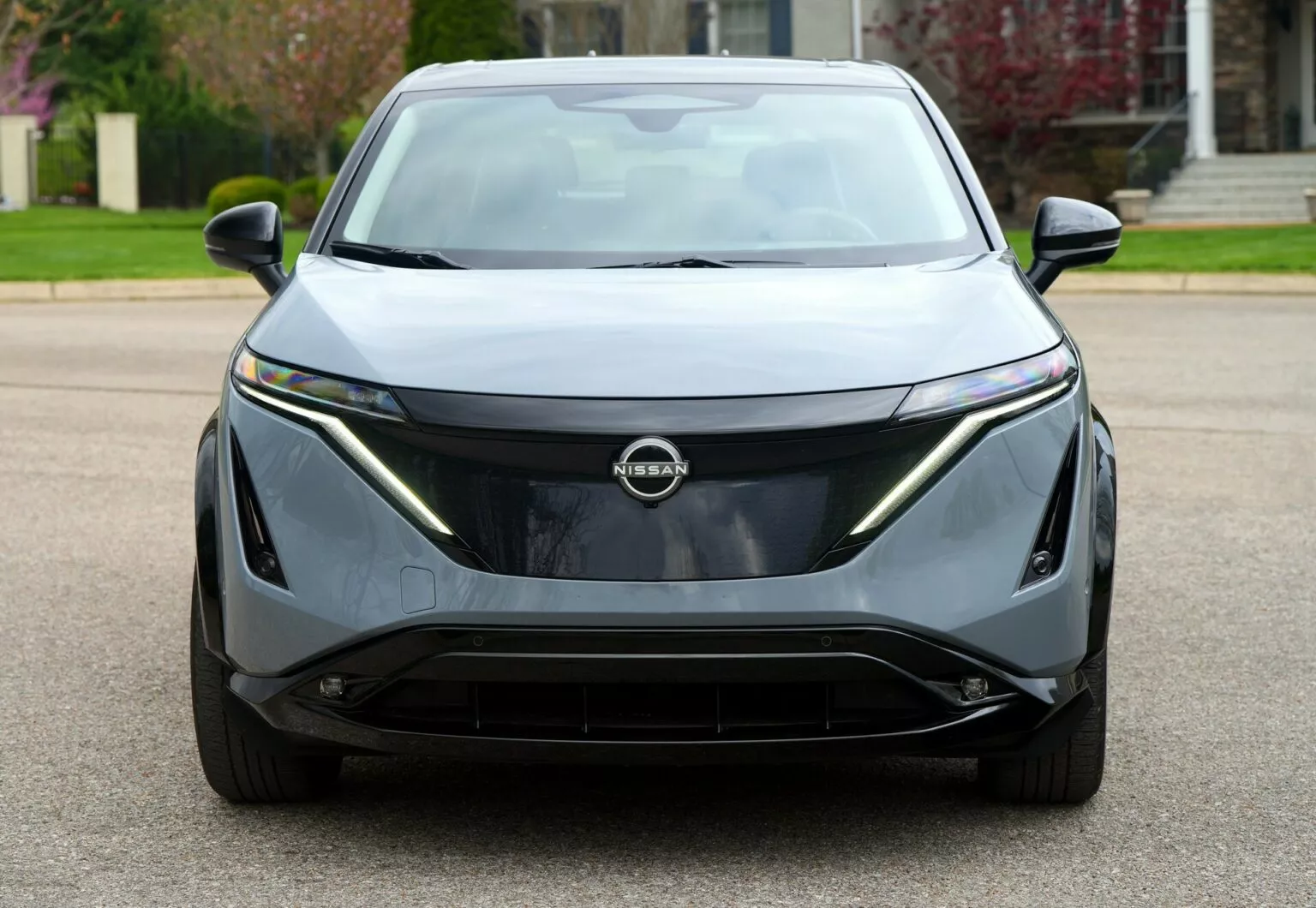
Yet analysts point to broader economic and structural pressures weighing on the Ariya’s future. Built in Japan, the Ariya remains subject to import tariffs despite recent trade adjustments, making it costlier to position competitively in the U.S. Higher starting prices also limit eligibility for federal EV tax incentives, which are expected to expire at the end of the month—further eroding the model’s appeal. Industry observers suggest Nissan’s push to highlight the next-generation Leaf, a lower-cost model expected to undercut many competitors, reflects a tactical pivot to align more closely with policy-driven affordability trends.
The Ariya’s withdrawal also coincides with Nissan’s global restructuring under new CEO Ivan Espinosa, who stepped into the role in April after the company reported a record $5 billion loss for the fiscal year ending that same month. Espinosa has overseen sweeping cost-cutting measures, including tens of thousands of job reductions, plant closures, and a sharper focus on profitability across the automaker’s portfolio. Each model is now under scrutiny, and the Ariya—despite showing modest sales momentum—appears to have been caught in the crosshairs.
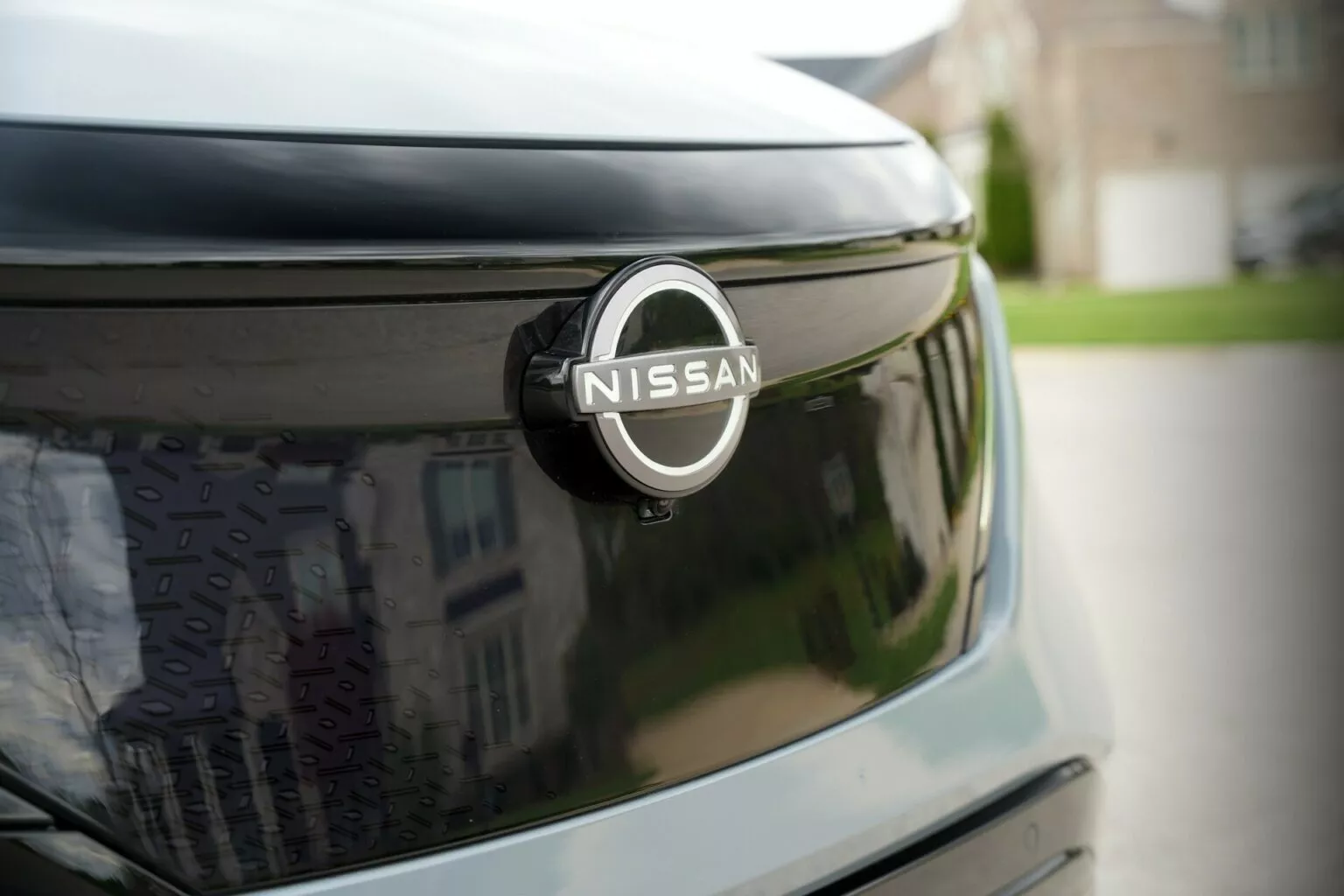
In the first half of 2025, Nissan delivered 11,619 Ariya units in the U.S., making it the company’s best-selling EV and marking a 24.3% increase from the same period in 2024. The Leaf, despite being phased out, also showed gains, with 3,925 deliveries, up 28% year on year. While the Ariya’s sales trajectory had been trending upward, analysts say growth was partly fueled by discounts and incentives that squeezed margins.
The decision underscores the delicate balance Nissan faces as it attempts to reposition itself in the electric vehicle race. With rivals aggressively scaling EV production in North America to qualify for incentives and cut costs, Nissan’s reliance on Japanese manufacturing has placed it at a disadvantage. Whether the 2026 Leaf can bridge that gap remains uncertain, but for now, the company is betting that a more affordable, volume-oriented product will restore momentum in the U.S. market.