




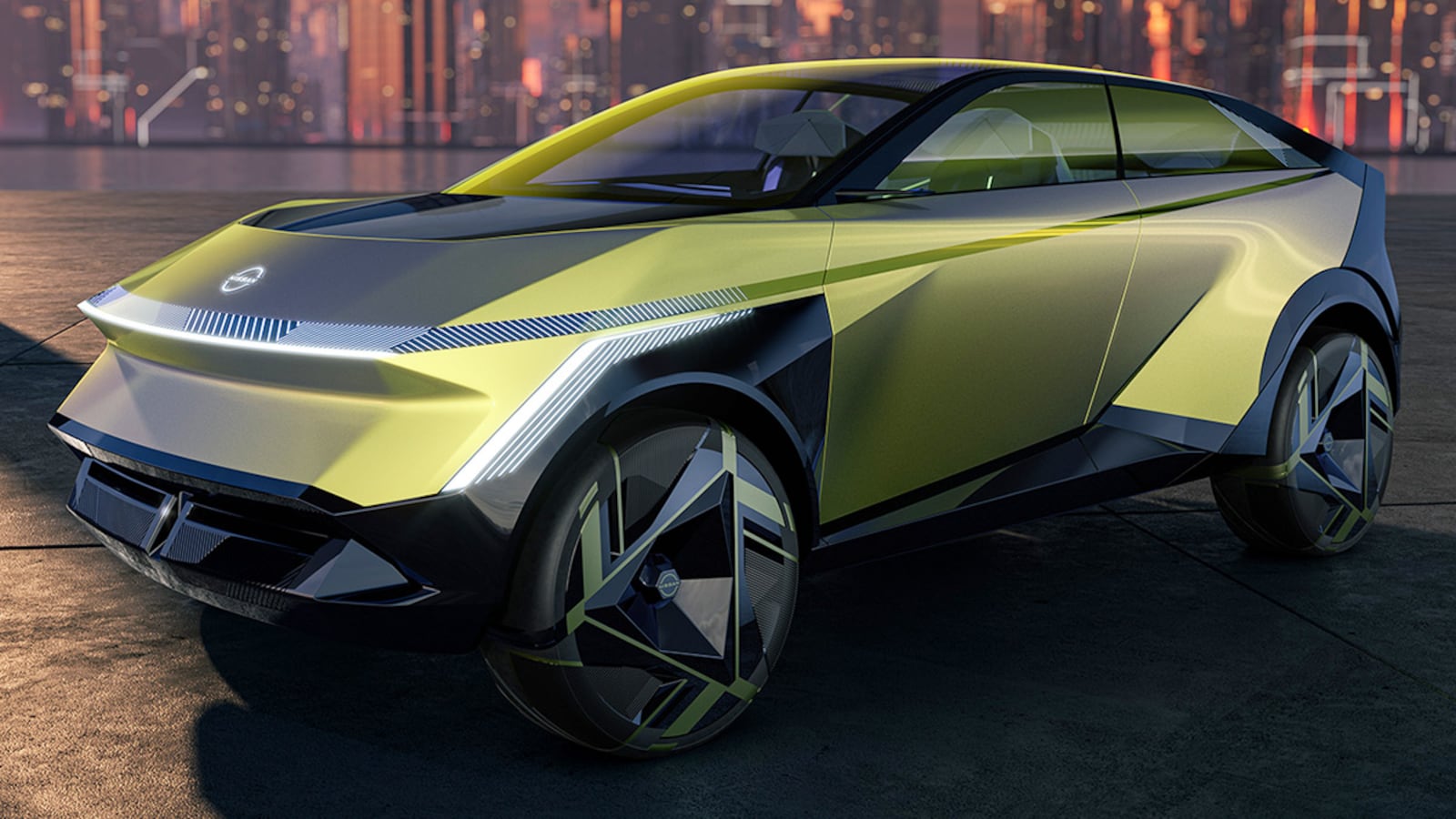
Nissan has decided to abandon its plans to produce two electric saloon models in the U.S. and will instead focus on building a different electric vehicle (EV) at its Canton, Mississippi plant. Additionally, the company is revising its timeline for electric crossover projects.
According to a supplier memo dated April 21, Nissan is adjusting the production schedule for two electric crossovers. The model codenamed PZ1K, initially expected to begin production in late 2027, is now scheduled to enter production in January 2028, roughly a year later than originally planned. Its sibling, the Infiniti-branded PZ1J, will be produced starting in May 2028, a delay of about four months.
See also: Nissan Pledges $1.38 Billion Investment in China, Unveils Electric N7 Sedan and Frontier Pro PHEV
Nissan confirmed that its decision to cancel two electric saloon projects, codenamed LZ1F and LZ1E, was made “in response to recent changes in industry market conditions.” The company added that these projects would be reassessed as part of a broader vehicle program. “We have made the decision to cancel development of the LZ1F/LZ1E [sedan] projects and to reassess them as part of a new vehicle program,” Nissan said in a statement to Automotive News.
While the two electric crossovers will face delays, Nissan has scrapped three other EV projects. The PZ1L, which was set to succeed the Nissan Leaf with a subcompact electric crossover, will no longer be produced for the U.S. market. Nissan confirmed that the Leaf successor would still be developed for Japan and Europe, but U.S. production has been cancelled. Initial plans suggested that the PZ1L might be built in Sunderland, UK, but the current status of this plan remains uncertain.
See also: Next-Gen 2026 Nissan LEAF to Provide Over 300-Mile Range, Faster Charging
Nissan has also decided to halt the development of electric sedans, including a model presented by Infiniti in 2023. The decision follows feedback from company executives, such as Christian Meunier, Chair of Nissan Americas, who commented, “The saloon market is shrinking,” and acknowledged the need to adapt to market realities. Ponz Pandikuthira, Head of Product Planning for Nissan Americas, also noted that premium sedans, which would likely start at $45,000 or more, do not align with Nissan’s core market in the U.S.
“Premium sedans are not our niche,” Pandikuthira added. “If the [electric] sedans start at $45,000-plus … you’re not in the core of the sedan market anymore.”
See also: Nissan Americas Chairman Warns Tariffs Could Push Vehicle Prices Higher, Affect Affordability
Nissan’s shift in strategy comes as the company undergoes a transformation under new leadership, including the recent appointment of CEO Ivan Espinosa in March. The restructuring, which follows the dissolution of the Renault-Nissan alliance and unsuccessful merger discussions with Honda, also includes job cuts and production capacity reductions. At the Auto Shanghai exhibition, Nissan unveiled a billion-dollar investment in China, focusing heavily on electric vehicles. However, it remains unclear whether the company can balance the necessary investments in electrification with the restructuring of its traditional combustion engine business.


