





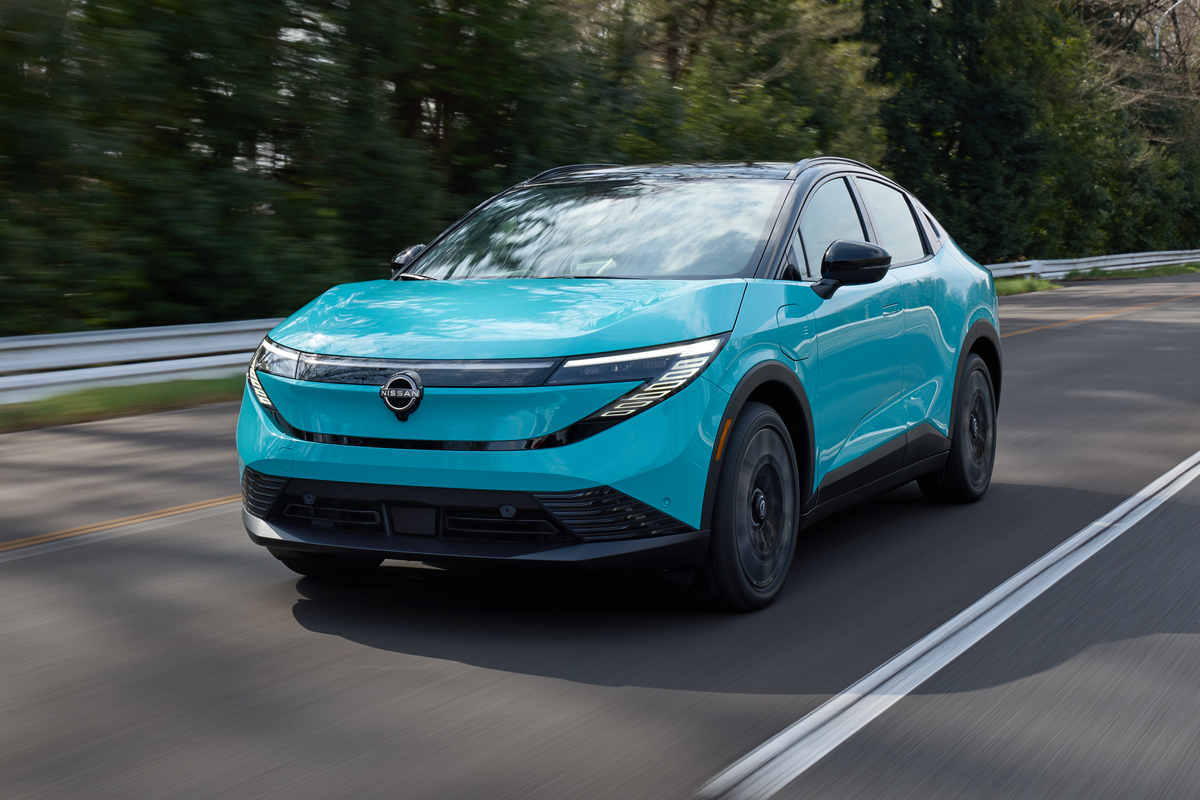
Nissan is reportedly reducing production plans for the next-generation LEAF electric vehicle, citing supply chain challenges linked to China’s export restrictions on rare earth elements.
The move comes as global automakers brace for higher EV prices and reduced demand following the Trump administration’s decision to end the $7,500 clean vehicle tax credit on September 30.
See also: Nissan to Export Chinese-Built EVs from 2026 Amid Major Global Restructuring

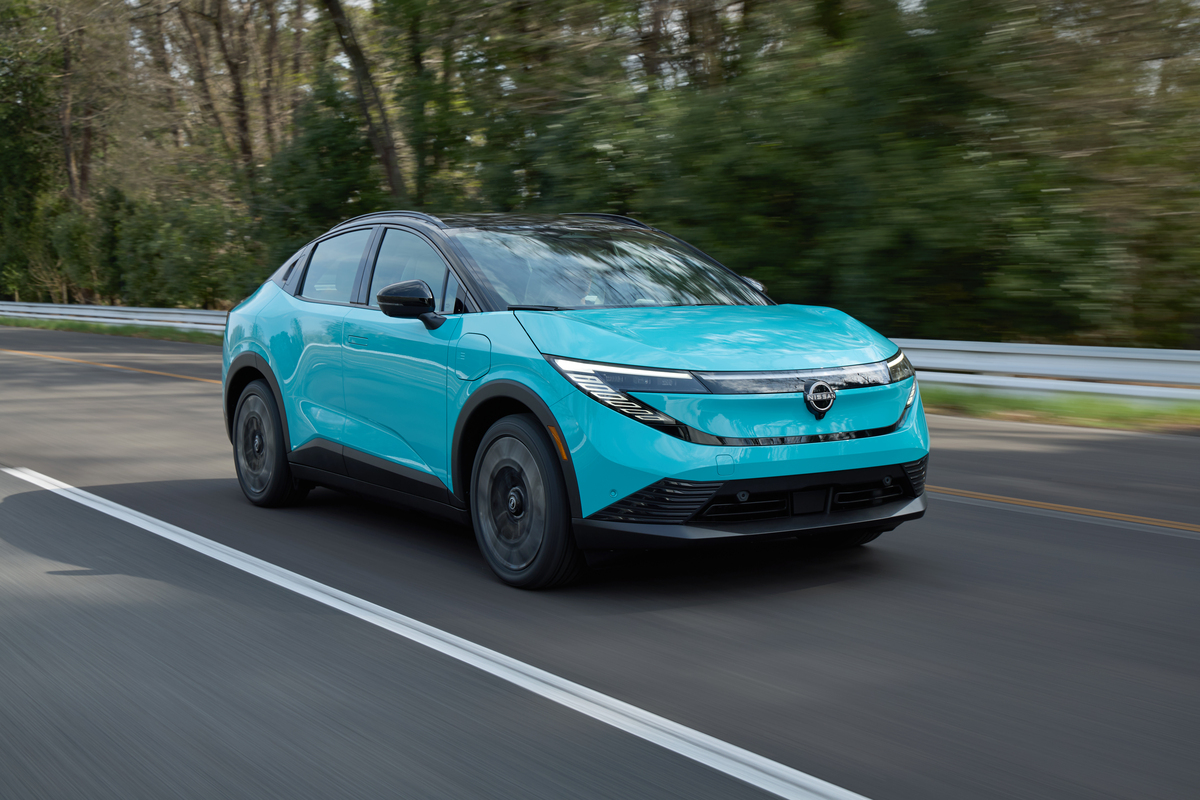
While the new LEAF is set to launch in the U.S. this fall, reports from Japan suggest the company is facing parts shortages due to limits on key materials used in electric motors and other components. According to Kyodo News, cited by Reuters, the export restrictions have created supply bottlenecks, although Nissan has yet to confirm details.
Rare earth elements are essential for both electric and combustion-powered vehicles. China’s curbs on exports have disrupted several automakers, including Ford and Suzuki, and have raised alarm among suppliers.
See also: Nissan Offers 0% APR Financing for 72 Months on 2025 LEAF in U.S.
The European Association of Automotive Suppliers recently warned of “significant disruption” to the supply chain, noting that the policy “threatens automotive production and thousands of jobs in the European Union.”
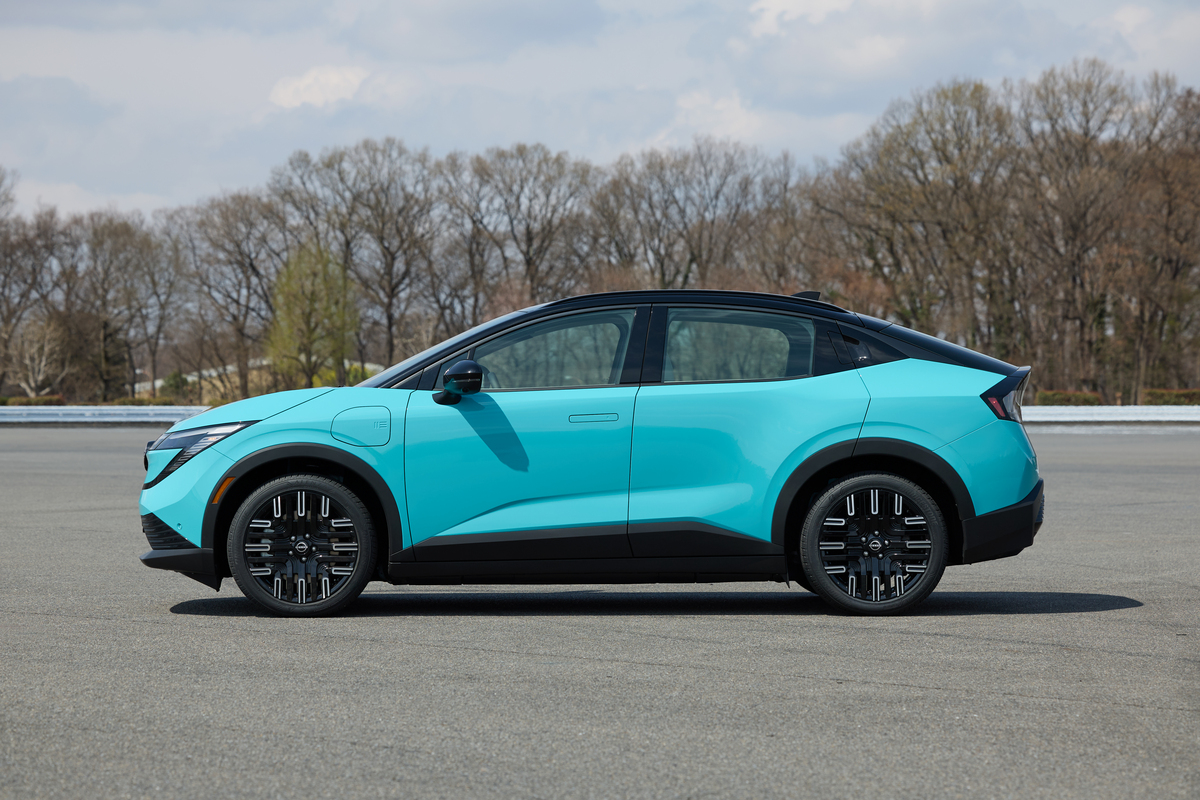
The new LEAF, now in its third generation, was fully unveiled last month with a fresh crossover-style design and a modern interior. It will offer two powertrain options: a base 52 kWh battery paired with a 174 hp (130 kW) motor, and an upgraded 75 kWh battery with a 215 hp (160 kW) motor.
See also: Everything You Should Know About the All-New 2026 Nissan LEAF

While the expiration of the U.S. EV tax credit is expected to dampen consumer demand across the segment, the immediate pressure on Nissan appears driven by raw material supply issues. The convergence of policy shifts and supply constraints is likely to weigh on electric vehicle production in the months ahead.


