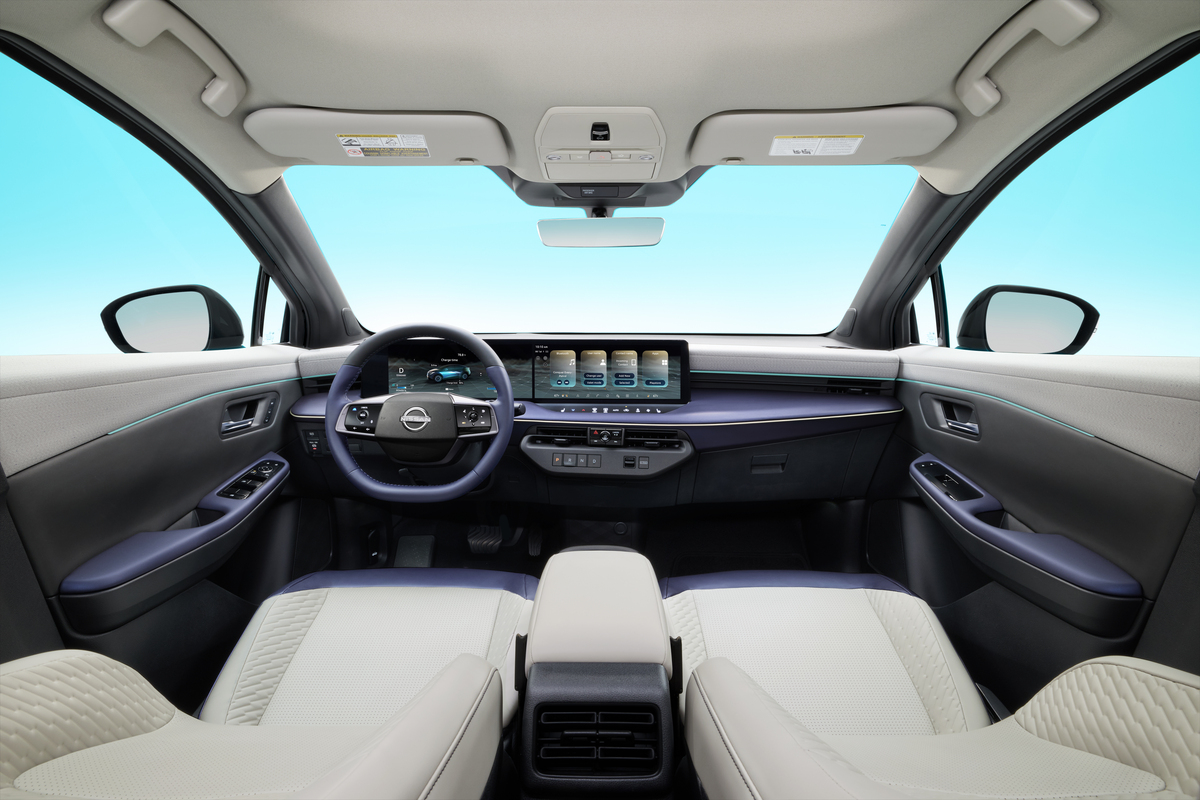


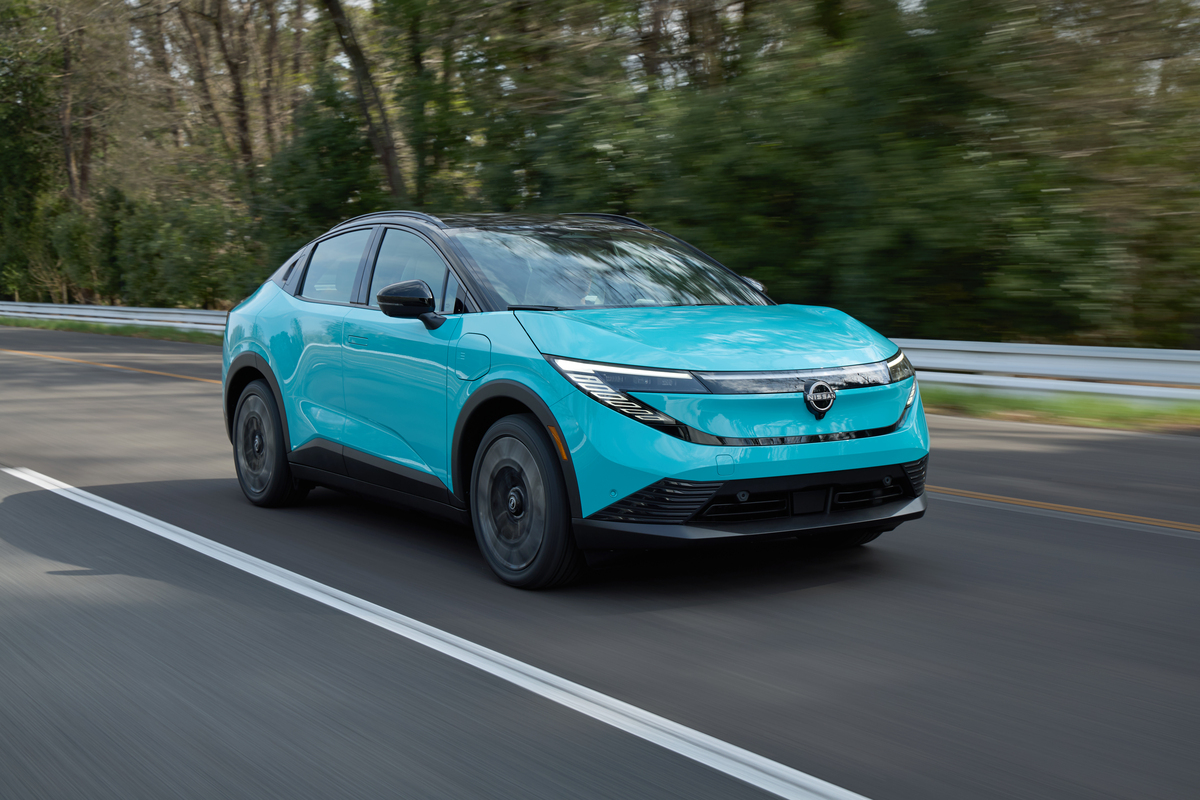
Nissan said on Tuesday the 2026 LEAF will remain the lowest-priced electric vehicle in the United States, with the redesigned model starting below $30,000. Now in its third generation, the LEAF shifts from its original hatchback form to a compact SUV while extending driving range and adding more charging options.
The company released pricing for three of the four trims, with the SV+ starting at $29,990, the S+ at $34,230 and the Platinum+ at $38,990. Nissan said the SV+ undercuts last year’s comparable trim by nearly $2,000, despite offering additional standard features and a longer range. A base model, the S, will be offered with a smaller battery at a lower cost, though exact pricing has not yet been disclosed.

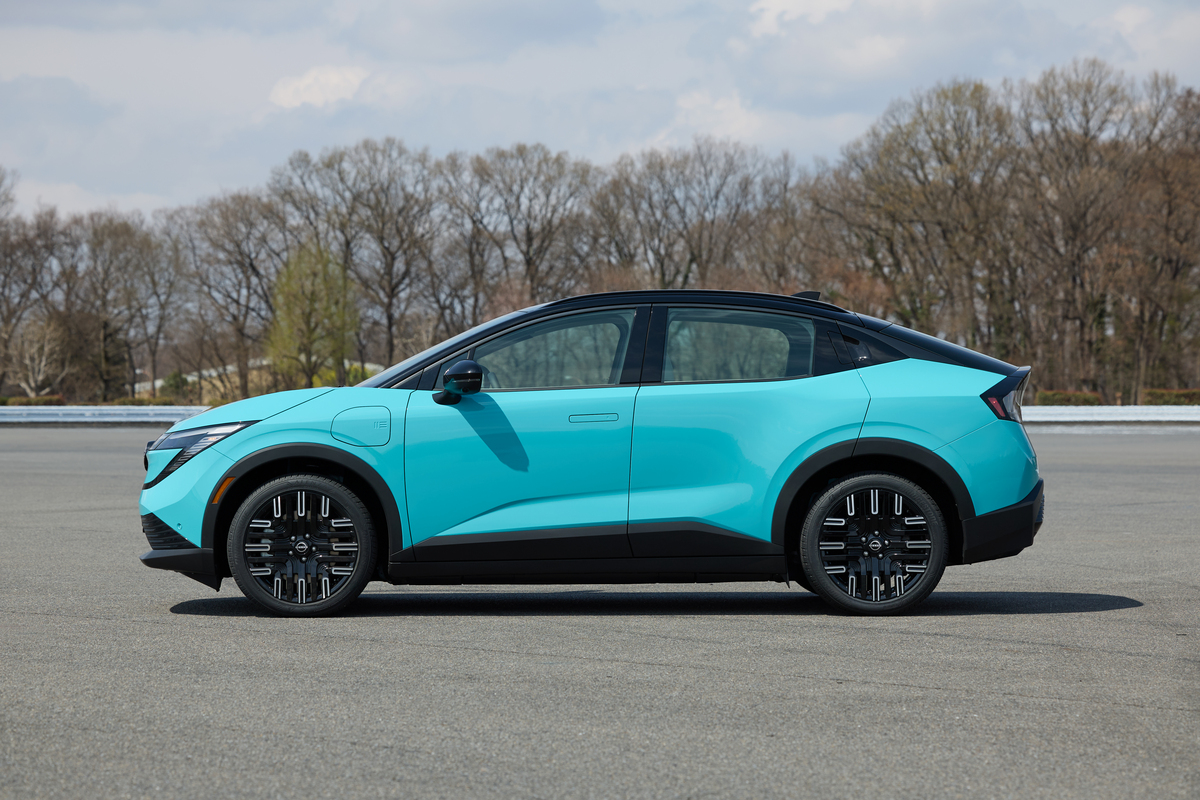
The top three trims are equipped with a 75 kWh battery. According to Nissan, the SV+ delivers an estimated 303 miles of range, while the S+ reaches 288 miles and the Platinum+ achieves 259 miles. The S trim is expected to provide a shorter range but to fall significantly under the $30,000 threshold, keeping the LEAF positioned as the most affordable EV on the U.S. market.
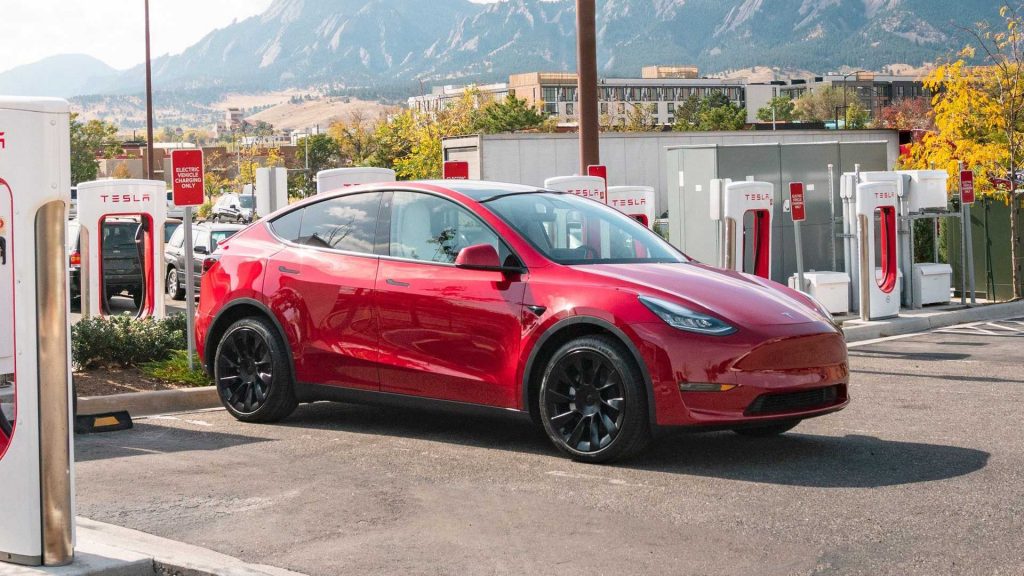
The 2026 LEAF also comes equipped with dual charging inlets. A North American Charging Standard (NACS) port allows access to Tesla’s Supercharger network for fast charging, while a J1772 inlet supports AC charging. The move reflects a growing industry shift as automakers adopt Tesla’s charging standard to broaden network compatibility.
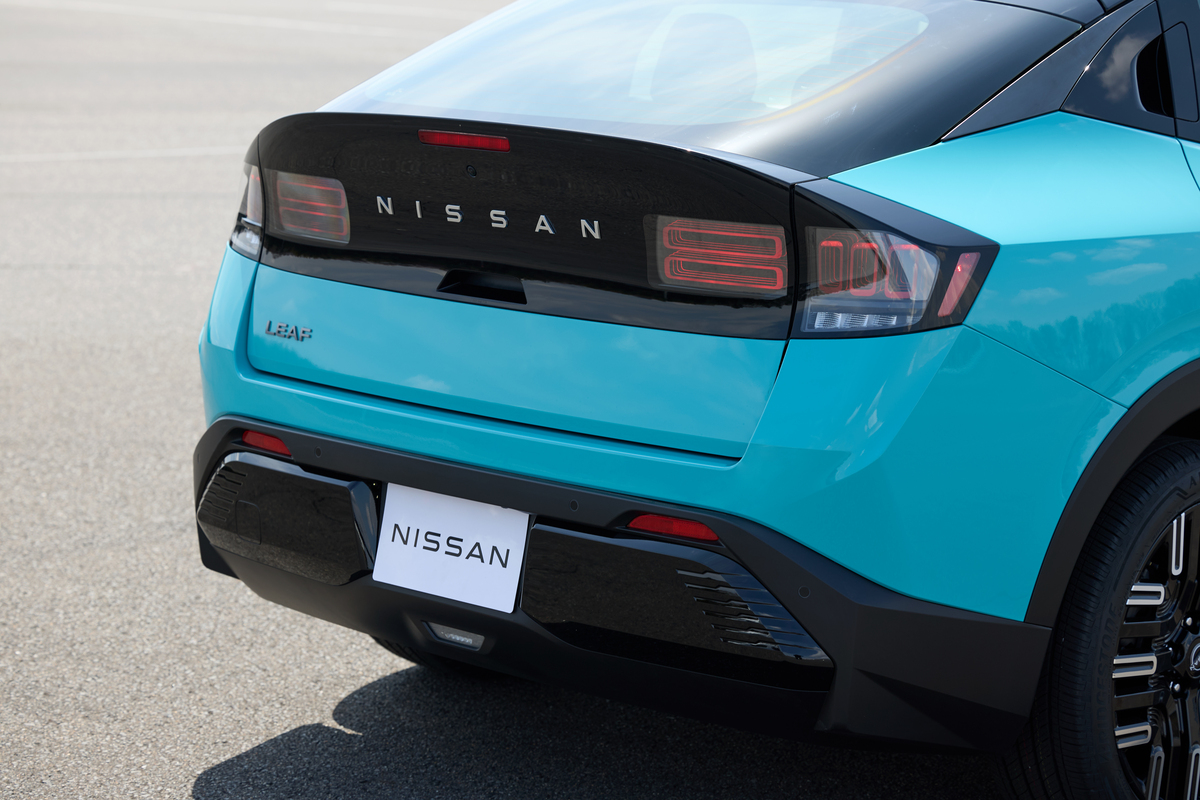
When first launched in 2011 as a hatchback, the LEAF was priced at $32,780 and offered just 73 miles of driving range. With its 2026 update, Nissan says the model now combines affordability with performance improvements to remain competitive in a segment that has seen rising prices.
The LEAF’s closest rival in terms of affordability is the Chevrolet Equinox EV, which is expected to cost roughly $5,000 more. Nissan’s strategy to keep the LEAF below that threshold underscores the automaker’s effort to defend its position in the entry-level EV segment at a time when demand growth has slowed and price competition has intensified.