
Chinese electric vehicle maker Nio is reportedly in discussions with a potential buyer to sell a stake in a key asset, according to Chinese tech media outlet LatePost. The report did not disclose further details but indicated the move is part of Nio’s ongoing efforts to strengthen liquidity.
As of the end of the first quarter, Nio held RMB 26 billion ($3.6 billion) in cash, down RMB 15.9 billion from the end of 2024, according to its recent financial report. The company also noted its shareholders’ equity turned negative during the quarter, though it affirmed its current financial resources are sufficient to maintain normal operations for at least the next 12 months.
During the company’s earnings call, CFO Stanley Qu attributed the cash decline mainly to a nearly 30,000 vehicle drop in deliveries compared with the previous quarter, resulting in approximately RMB 10 billion in operating cash outflows. He expressed optimism about a gradual improvement in cash flow based on second-quarter sales guidance.
Nio completed a RMB 4.03 billion equity placement in April to bolster liquidity, the LatePost report noted.
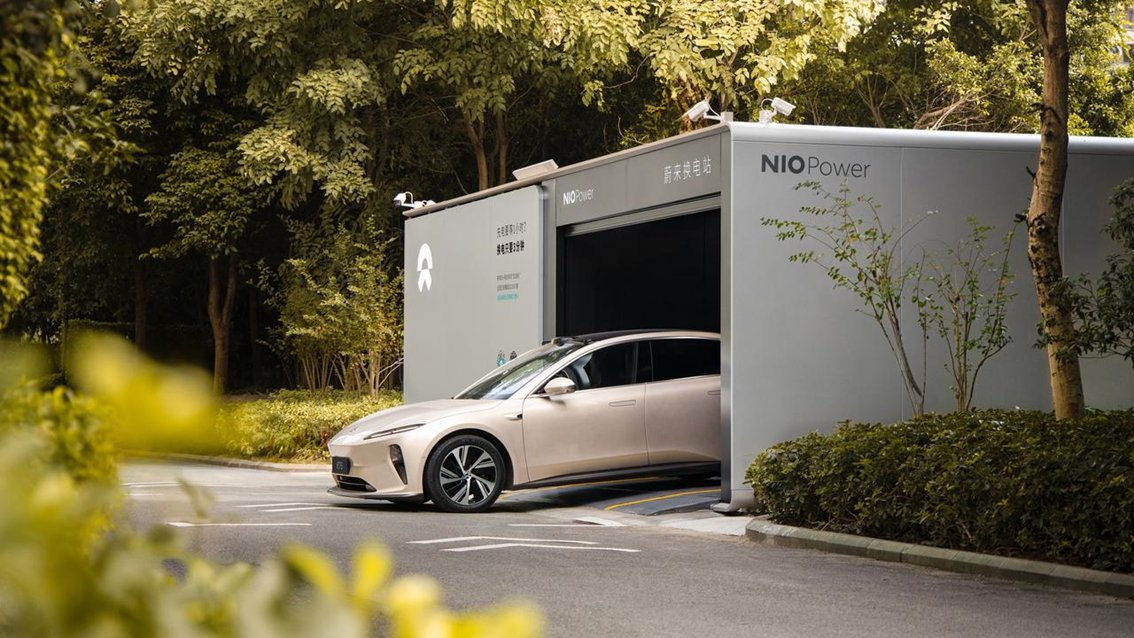
While the exact asset involved in the stake sale was not specified, industry observers suggest it is likely connected to Nio’s battery assets. On March 18, Nio announced a strategic partnership with battery supplier CATL to jointly build the world’s largest battery swap service network. This partnership includes capital cooperation, with CATL investing up to RMB 2.5 billion in Nio’s energy unit, Nio Power.
Further reports indicate that CATL is seeking to increase its stake in Mirattery, a battery asset operator formed in August 2020 as a joint venture between Nio, CATL, Guotai Junan, and Hubei Science Technology Investment. Mirattery manages batteries for Nio’s Battery-as-a-Service (BaaS) program, which began the same year.
Reuters reported on April 7 that CATL was in talks to acquire a controlling interest in Nio Power, underscoring the deepening financial and operational ties between the two firms.
Nio’s moves to optimize its battery business and improve liquidity come as the company navigates a challenging market environment marked by fluctuating deliveries and capital pressures.