
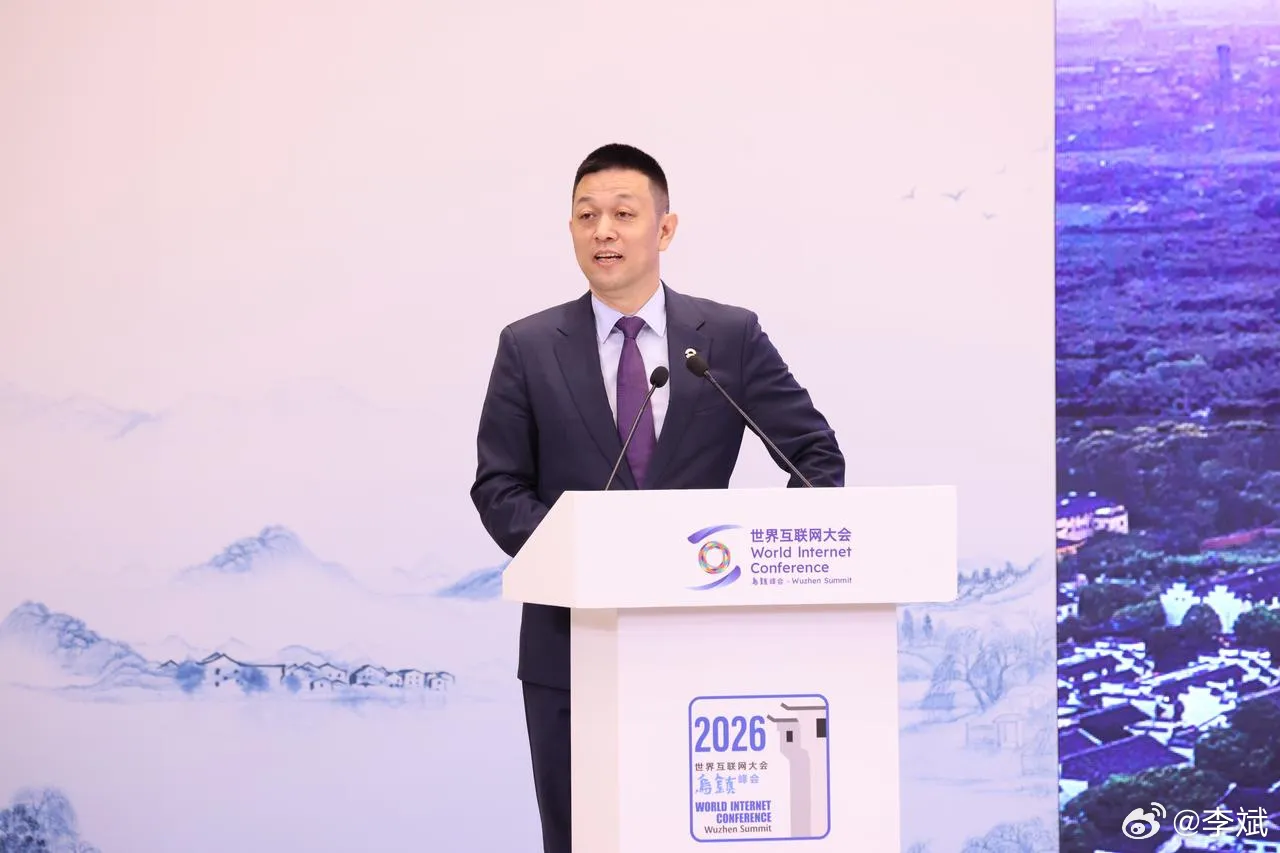
Nio founder, chairman and CEO William Li said autonomous driving should primarily focus on improving road safety and reducing driver fatigue rather than replacing ride-hailing or taxi drivers.
Speaking at the Internet Entrepreneurs Forum during the 2026 World Internet Conference Wuzhen Summit on November 4, Li discussed the potential role of artificial intelligence in the automotive industry and the broader implications of intelligent driving technology.
He said autonomous driving could help reduce the risks associated with prolonged driving and driver distraction by taking over designated driving tasks.
Automotive Industry Offers Large AI Market
Li described smart electric vehicles as one of the largest application areas for artificial intelligence as the technology expands from digital applications into the physical world.
He estimated the global automotive industry’s overall market value at approximately RMB 46.7 trillion to RMB 60.1 trillion ($7 trillion to $9 trillion). The figure covers a broad range of activities, including automotive components, vehicle manufacturing, sales, services and financing.
According to Li, if AI generates an additional 15% in value for users, the industry and society, the resulting commercial value could exceed RMB 8 trillion ($1.2 trillion).
Road Safety Remains a Key Consideration
Beyond the industry’s commercial potential, Li emphasized the potential safety benefits of autonomous driving.
He cited more than 1.16 million annual road traffic fatalities worldwide and identified driver fatigue and distraction as continuing risks on roads.
Intelligent driving systems could assist with designated driving tasks, reducing the demands placed on drivers during extended journeys. Li said this could help lower accident rates and the associated human and economic costs.
Nio’s Position on Autonomous Driving and Employment
Li’s comments reflect a position he has expressed previously on the relationship between autonomous driving and employment.
Rather than framing the technology primarily as a replacement for professional drivers, his remarks focused on its potential to support drivers and improve traffic safety.