


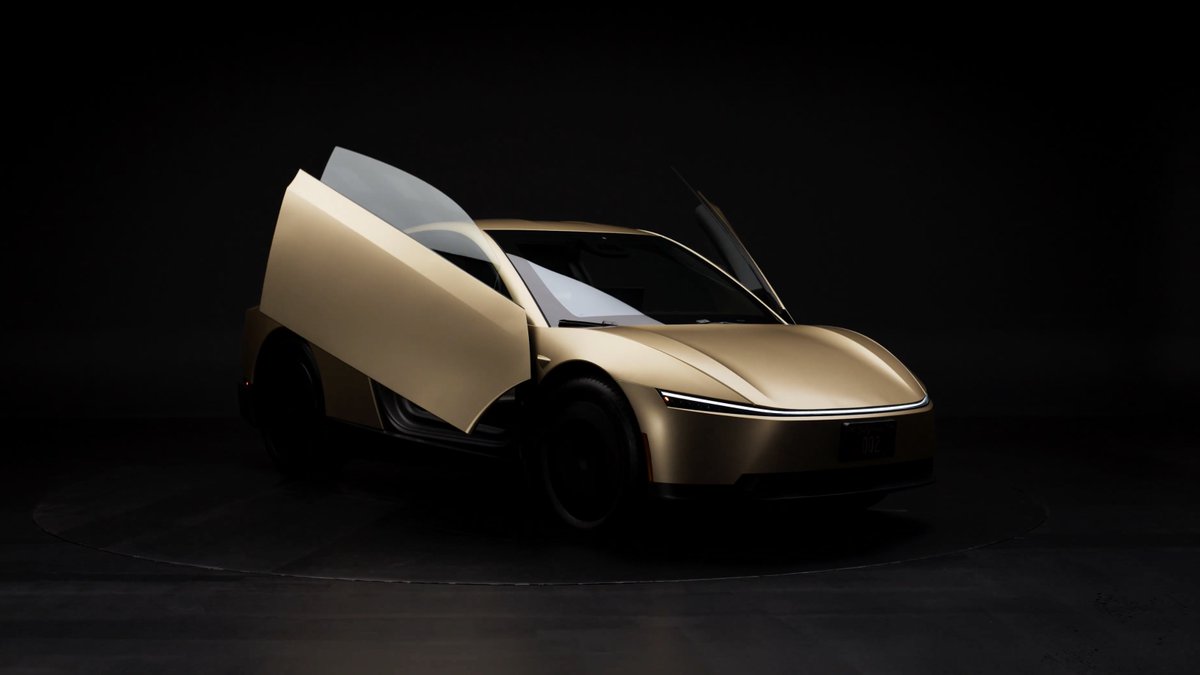
The U.S. National Highway Traffic Safety Administration (NHTSA) has opened an audit into how Tesla certified its Cybercab for road use, focusing on the vehicle’s compliance with federal safety standards despite its lack of a steering wheel, pedals and side mirrors.
The investigation began on September 3, the same day Tesla started deploying the two-seat autonomous vehicle with passengers in Austin, Texas. NHTSA’s Office of Defects Investigation opened the case as an Open Audit Query, designated AQ26002, and estimates that about 1,000 Cybercab vehicles are covered.
NHTSA Examines Tesla Certification Process
According to the NHTSA filing, the audit was prompted by publicly available information and is examining “the process and technical data on which Tesla relied when certifying the Cybercab and related issues.”
Tesla told NHTSA that it had certified the Cybercab as compliant with all applicable Federal Motor Vehicle Safety Standards (FMVSS). The company also said it intends to gradually expand deployment to additional vehicles and locations.
NHTSA said it will examine “the extent to which Tesla’s certification depended on determinations that certain FMVSS are inapplicable to the Cybercab.”
The investigation therefore focuses on the technical and regulatory basis for Tesla’s certification decisions rather than an advance approval of the vehicle by the federal agency.
Cybercab Tests U.S. Self-Certification System
U.S. vehicle regulations operate under a self-certification framework. Automakers are responsible for certifying that their vehicles comply with applicable federal safety standards, while NHTSA can investigate potential compliance issues after vehicles enter the market.
The Cybercab presents a particular regulatory question because several federal safety standards were developed around conventional vehicles operated by human drivers.
The vehicle does not have a steering wheel or brake pedal and does not use conventional side mirrors. Tesla therefore determined that some requirements may not apply to the vehicle because there is no human driver who would use those controls.
NHTSA’s audit is examining the information and analysis supporting those determinations.
Cybercab Enters Austin Robotaxi Service
Tesla began commercial Cybercab operations in Austin with a limited initial rollout.
Rather than holding a conventional public launch event, the company invited a small group of shareholders and influencers to ride in the two-seat vehicle before making rides more broadly available through its Robotaxi application.
The initial deployment comes as Tesla continues to expand its autonomous driving ambitions in the United States.
Separate Federal Scrutiny Of Tesla’s FSD
The Cybercab investigation adds to existing federal scrutiny surrounding Tesla’s autonomous driving technology.
NHTSA has a separate investigation into Tesla’s Full Self-Driving system involving an estimated 3.2 million vehicles following a series of crashes associated with visibility conditions.
The agency has also collected crash information involving a Tesla Robotaxi, including an incident earlier in 2026 in which a remote operator was involved in a crash.
The Cybercab uses autonomous-driving technology closely related to Tesla’s Full Self-Driving software, making its certification and operational deployment subject to continued regulatory attention as NHTSA assesses the vehicle’s compliance with federal safety requirements.