



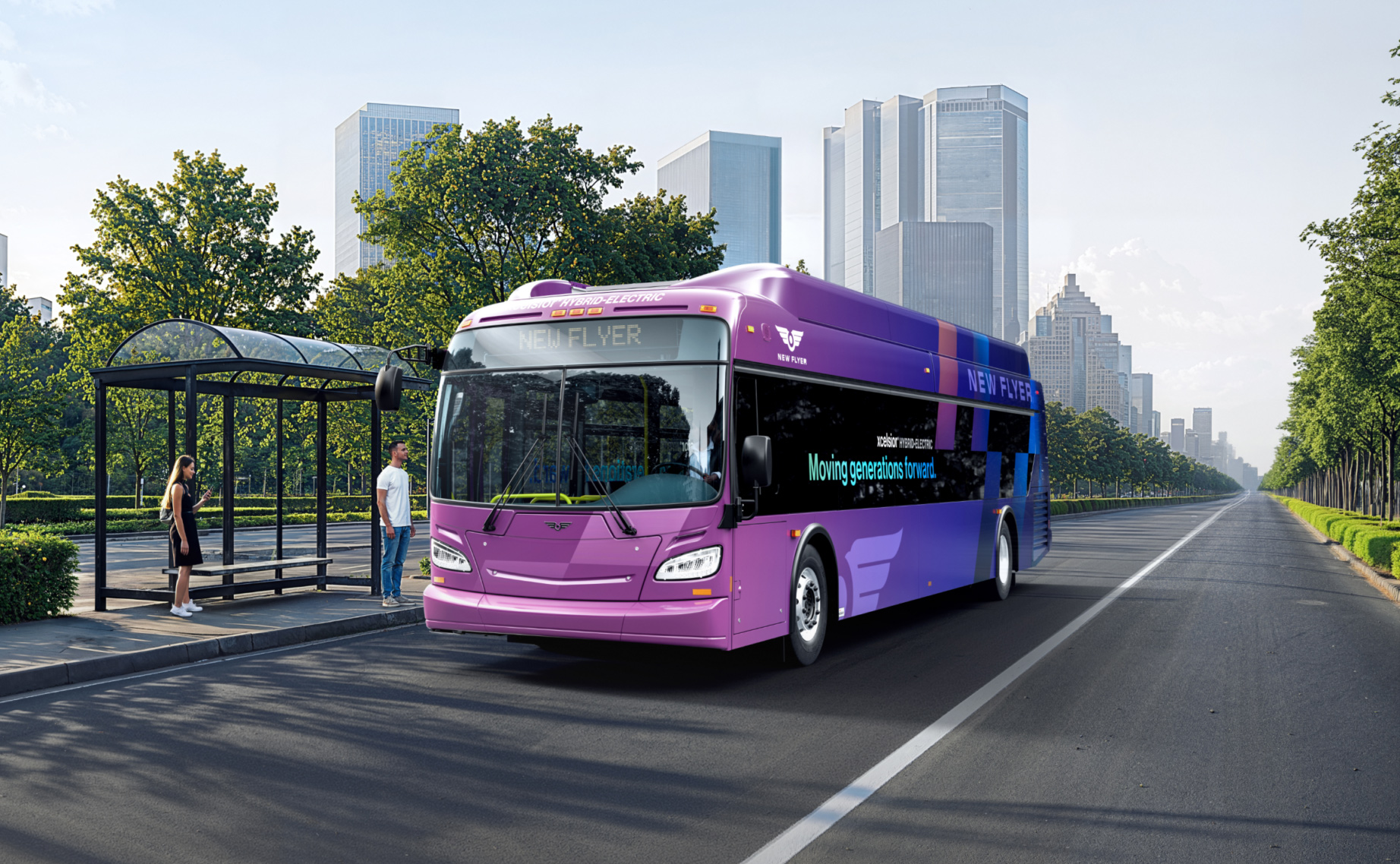
New Flyer has introduced a next-generation vehicle controls and electrical architecture for its Xcelsior transit buses, adding processing capacity, expanded diagnostics and support for software-based vehicle management. The system is part of NFI Group’s broader effort to develop more connected vehicles and streamline maintenance across its bus and coach operations.
The new architecture consolidates vehicle programming, software updates and fault diagnostics, giving technicians greater visibility into vehicle systems. It will also provide more data to NFI Connect, NFI Group’s fleet connectivity platform, supporting future development of predictive maintenance capabilities and additional software functions.
Rollout Starts With Zero-Emission Buses
NFI Group plans to introduce the architecture first on zero-emission buses, followed by diesel, hybrid and natural gas models through 2027. Most Xcelsior bus production is expected to transition to the new system by 2028.
The architecture is designed to improve access to diagnostic information and simplify software-related maintenance. By providing technicians with a clearer view of vehicle faults, the system could help maintenance teams identify problems and reduce the time needed to return buses to service.
The additional data available through NFI Connect also creates a foundation for predictive maintenance, in which vehicle information can be used to identify potential issues before they cause service disruptions. The company has not provided specific performance targets for reductions in downtime or maintenance costs.
Architecture to Extend to MCI Coaches
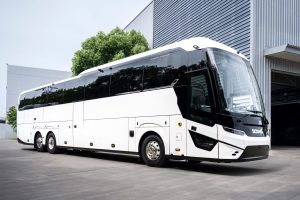
NFI Group also plans to bring the platform to its MCI motorcoach business. Pilot builds are scheduled to begin in early 2028, with a broader production ramp-up planned for 2029.
A shared architecture across transit buses and coaches could reduce the number of diagnostic tools and processes required by maintenance facilities operating vehicles from both brands. It may also help standardise software support and technician workflows across the group’s portfolio.
The transition reflects a wider shift in commercial vehicle development, where software and electronic controls are playing a growing role alongside mechanical systems. For transit operators, the primary focus is on vehicle availability, reliable operation and the ability to diagnose faults efficiently.
Focus on Reliability and Fleet Availability
Chris Stoddart, President of North American Bus and Coach at NFI Group, said the updated architecture would provide a technology foundation for vehicle reliability, maintenance and future capabilities.
“As transit vehicles become increasingly connected and technology-driven, the systems behind them need to evolve as well. The next-generation vehicle controls and electrical architecture is an important step forward for our transit bus and coach platforms, providing a stronger technology foundation to support vehicle reliability, maintenance, and future capabilities. Ultimately, it is about helping our customers keep more vehicles available for service and deliver the dependable transportation their communities rely on.”
For public transit agencies, the value of connected vehicle systems depends in large part on whether they can help keep buses in operation and make maintenance more efficient. NFI Group’s planned rollout will extend the new architecture across its Xcelsior range before expanding it to MCI coaches, creating a common technical foundation for additional software-driven capabilities.


