
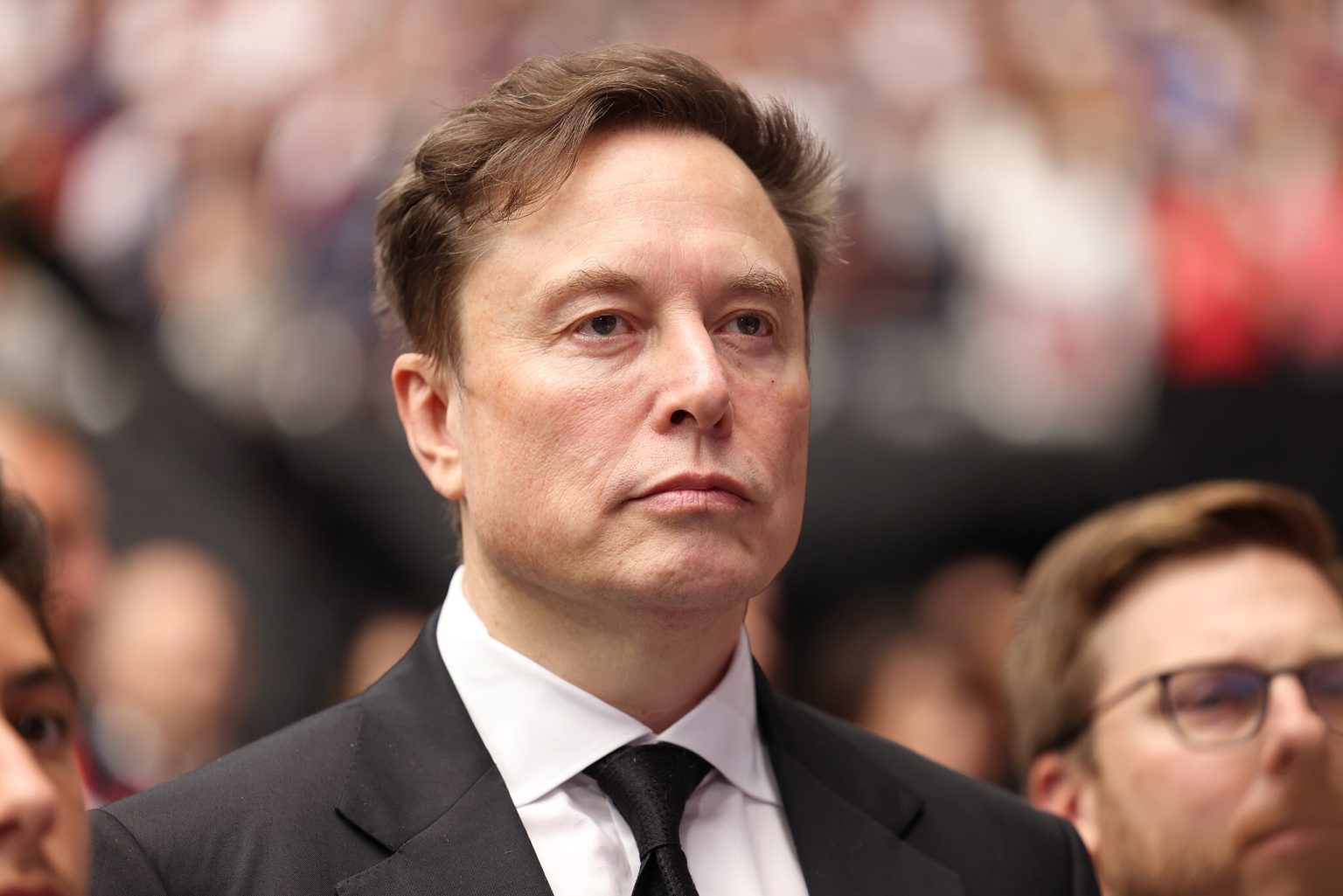
Tesla CEO Elon Musk dismissed Waymo’s advancements in autonomous driving on Wednesday, arguing on social platform X that the Alphabet subsidiary “never really had a chance against Tesla,” a claim he said would appear “obvious in hindsight.” His comments followed renewed scrutiny of Tesla’s progress after Waymo released one of the most detailed safety data sets ever published for a self-driving fleet.
The exchange began after Jeff Dean, Chief Scientist at Google DeepMind, highlighted the gap in validated rider-only autonomous mileage between the two companies. Dean noted Tesla has logged “nowhere near” Waymo’s 100 million rider-only miles — a milestone achieved without human drivers behind the wheel. Tesla, by contrast, has yet to operate a commercial robotaxi without an in-car supervisor.
See also: Waymo Robotaxis Shift to More Assertive Driving Style, Confirmed by Alphabet Unit
Musk, who previously predicted Tesla would launch “1 million robotaxis” by the end of 2020, defended the company’s trajectory, responding: “Waymo never really had a chance against Tesla. This will be obvious in hindsight.”
Despite the bold assertion, Tesla’s supervised robotaxi testing continues to show a higher crash rate than both Waymo’s autonomous fleet and average human drivers, according to independent safety analyses. Musk said this week that Tesla intends to remove safety operators from its Austin robotaxi pilot within three weeks — a move that raised concerns among transportation researchers given Tesla’s lack of published safety data.
Waymo’s newly released analysis covers autonomous operations in San Francisco, Phoenix, Los Angeles and Austin. According to the report, the company’s self-driving system cuts serious injury crash rates by 91% compared with human drivers. The document also includes detailed injury classifications, scenario analyses and system performance metrics — data Tesla has not made public for its Full Self-Driving (FSD) software.
See also: Waymo Expands Robotaxi Testing to Four More U.S. Cities
Tesla’s own quarterly safety report has been widely criticised for relying on airbag deployments as a proxy for crashes, a metric experts say lacks precision. Because Tesla’s FSD is always used under human supervision, researchers note the company cannot isolate the performance of its software from that of the safety driver. Nonetheless, Tesla often frames its data as evidence that “FSD is better than human drivers,” even though the figures reflect supervised driving only.