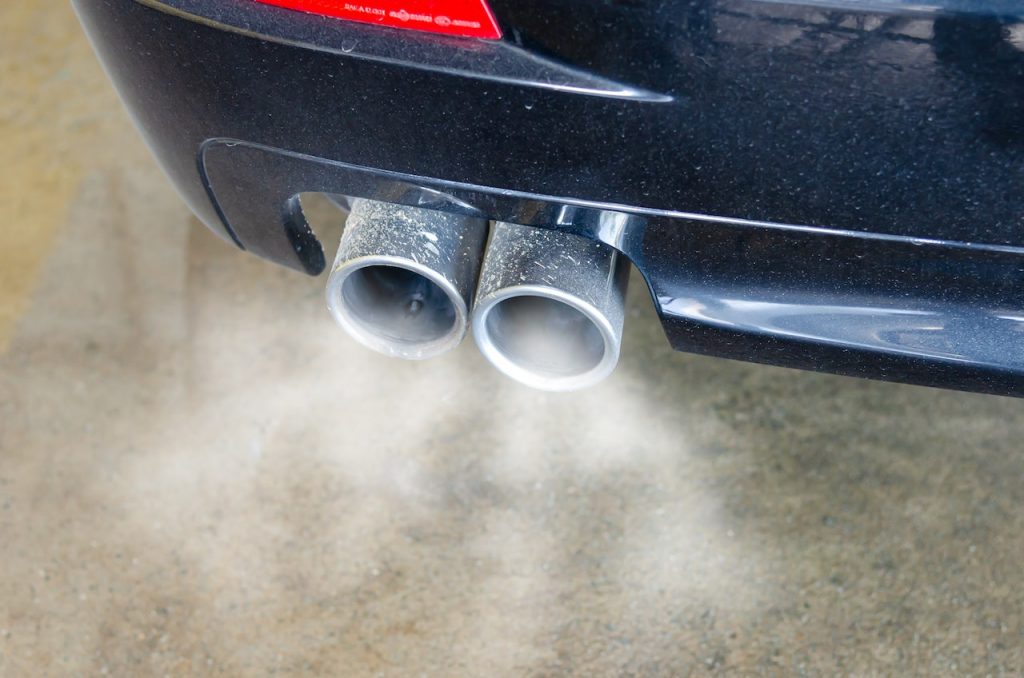




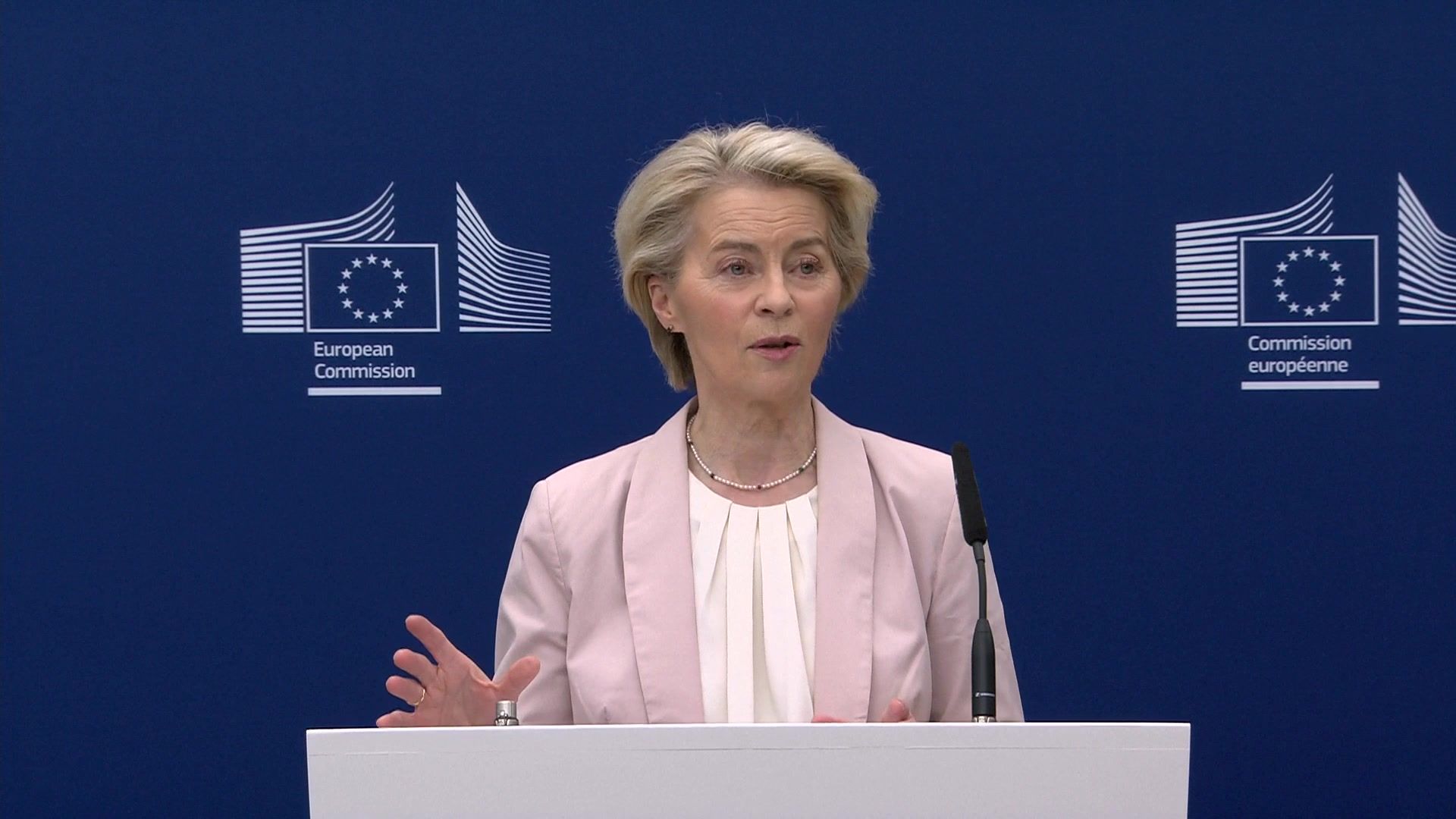
The European Commission is holding firm on its 2035 target to end sales of new combustion engine cars, despite lobbying efforts by parts of the automotive industry to delay or soften the measure, according to a draft concept paper seen by German magazine Der Spiegel.
The policy, adopted in 2022, requires that from 2035 only new vehicles producing zero grams of CO2 per kilometre will be permitted in the EU, effectively ending sales of petrol and diesel cars. Industry executives, particularly from Germany, have argued that the ban risks jobs and competitiveness, while calling for more flexibility to include hybrids, range extenders, hydrogen vehicles and synthetic fuels.
The Commission, however, said the 2035 goal remains “achievable” provided all parties act “decisively and in a coordinated manner.” As part of its strategy, Brussels proposes measures to support the transition, including boosting European battery production, incentives for smaller and more affordable EVs, and stronger investment in automotive software development.
A recent study by the International Council on Clean Transportation suggested carmakers are already on track to meet interim 2027 CO2 targets, while an open letter signed by more than 150 e-mobility executives urged Brussels to resist industry pressure.
The Commission has already offered concessions, such as flexible fleet CO2 rules for 2025 and road toll exemptions for electric trucks. It is also leaving open the possibility of limited exemptions for plug-in hybrids and range extenders, though no decision is expected until a review in 2026.