


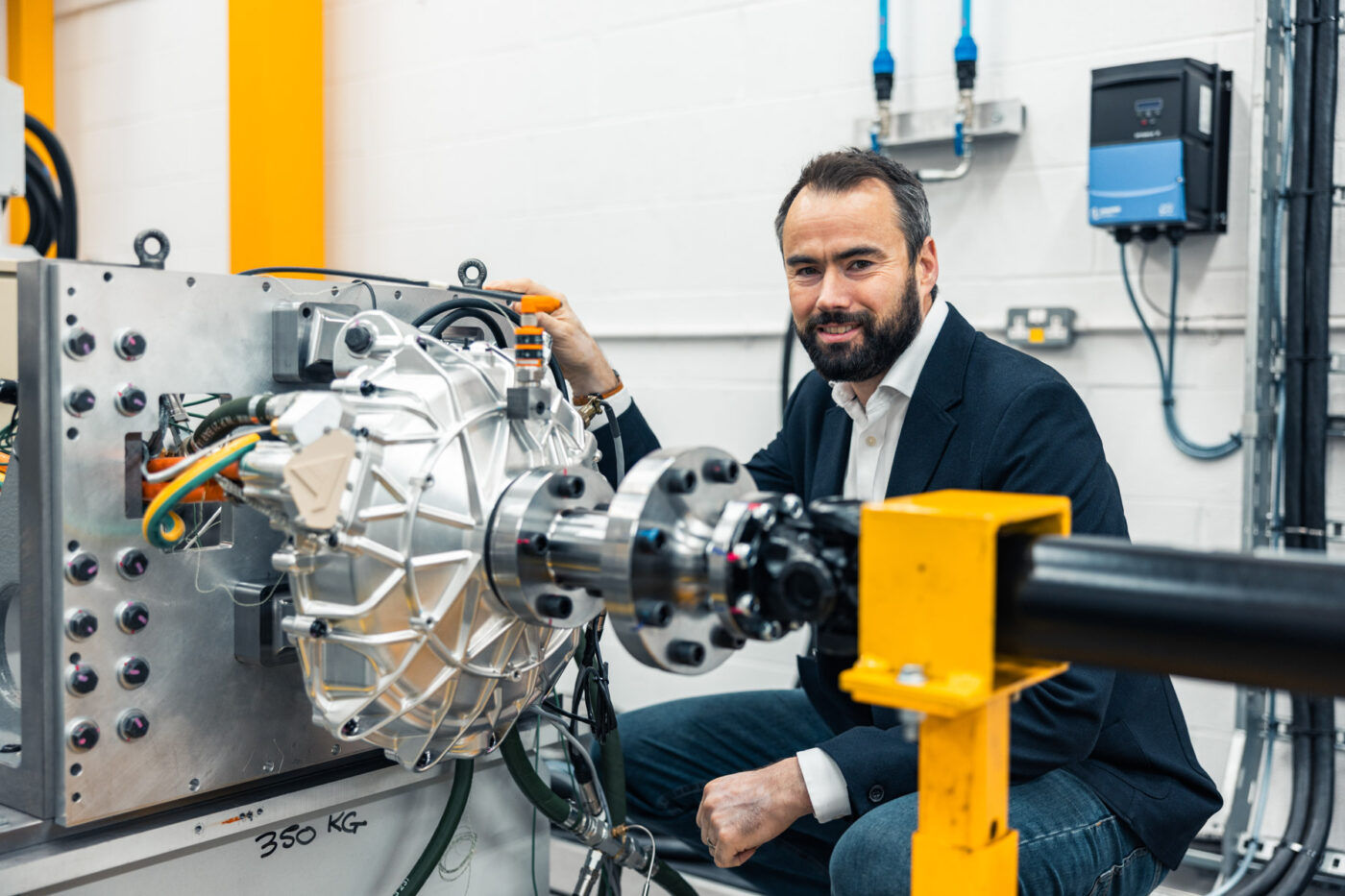
British electric motor specialist Yasa, owned by Mercedes-Benz, has unveiled a prototype in-wheel drive system built around its latest axial-flux motor, as automakers continue to explore alternatives to conventional electric drivetrains in pursuit of higher efficiency and lower vehicle weight.
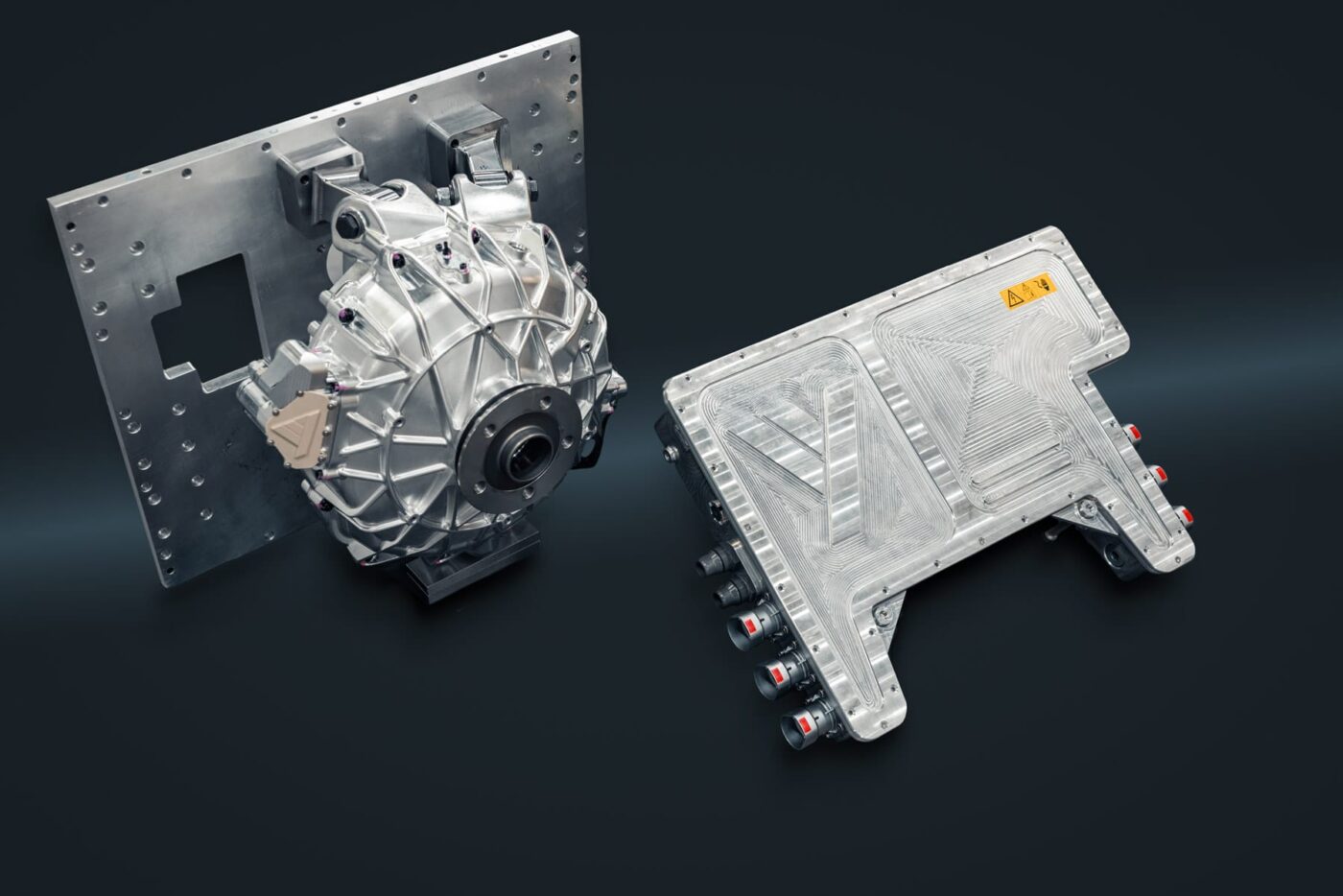
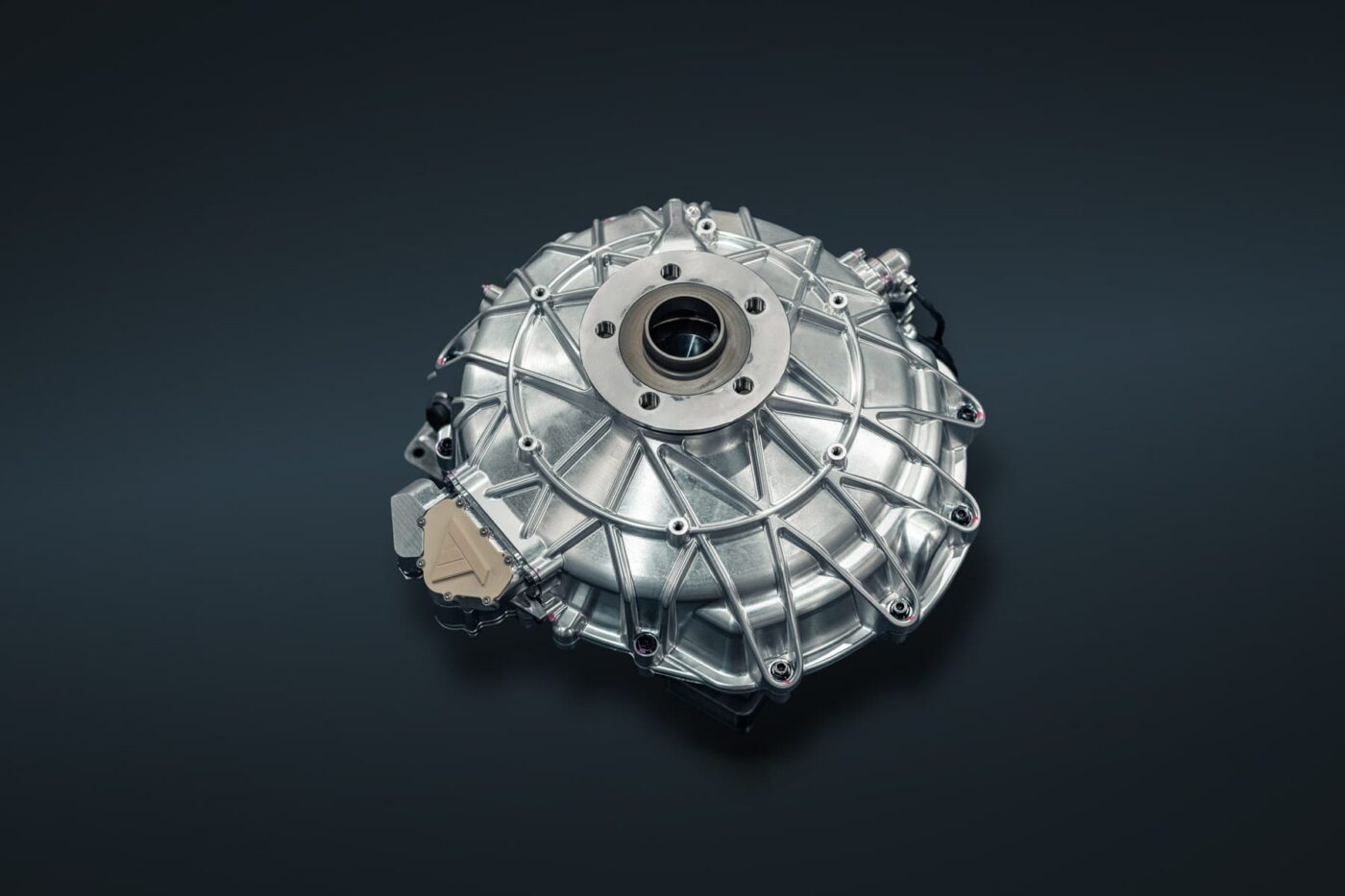
The prototype combines Yasa’s 12.7-kilogram axial-flux motor, which has achieved a power density of 59 kilowatts per kilogram, with a newly developed lightweight inverter. The motor delivers a short-term peak output of 750 kilowatts and a continuous output ranging between 350 and 400 kilowatts, a level of performance that could support demanding electric vehicle applications when deployed in paired wheel configurations.
See also: Mercedes-Benz-Owned Yasa Produces 50,000th Axial-Flux Electric Motor

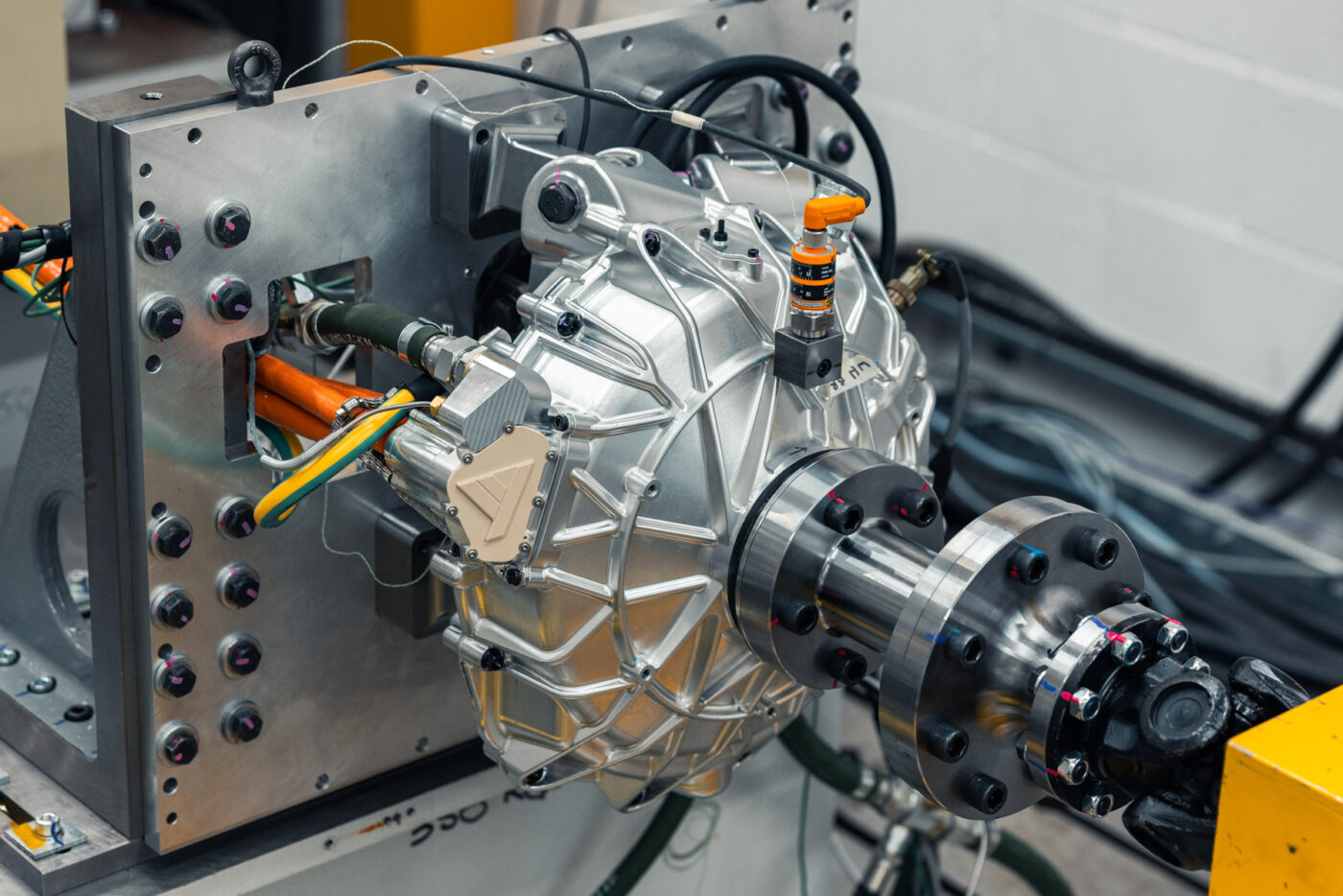
Yasa said the system also features a new inverter with a power density of 100 kilowatts per kilogram, roughly double the current industry benchmark of 50 to 70 kW/kg for power electronics. The 15-kilogram inverter is designed to deliver up to 1,500 kilowatts of power and is intended to resolve longstanding challenges associated with in-wheel motor systems, including weight and efficiency constraints.
“In-wheel motors are the major challenge and opportunity for EVs, but until now, technology has been too heavy, limited in torque and not powerful enough,” said Tim Woolmer, founder and chief technology officer at Yasa. “This concept technology breakthrough is compact, powerful and light enough to be positioned inside the wheel of an EV.”
See also: Yasa Sets Unofficial World Record for Electric Motor Power Density at 59 kW/kg
The company said the system’s high regenerative braking capability could significantly reduce or potentially eliminate the need for conventional rear-axle braking components. Yasa estimates that removing parts such as disc brakes, drive shafts and related hardware could save around 200 kilograms, with total vehicle weight reductions approaching 500 kilograms if vehicle structures are further optimised for in-wheel systems.
Yasa cautioned that the new in-wheel drive remains at the prototype stage and that commercial production is still some distance away. The company is withholding detailed technical specifications for now, with further updates expected in 2026.
See also: Mercedes-Owned Yasa Claims Record-Breaking Power Density for Electric Motor Prototype

Other developers are also advancing in-wheel motor concepts. Munich-based startup DeepDrive has integrated its own dual-rotor in-wheel drive into test vehicles and demonstrated that modern designs can mitigate earlier concerns around noise, handling and unsprung mass, the company said.


