




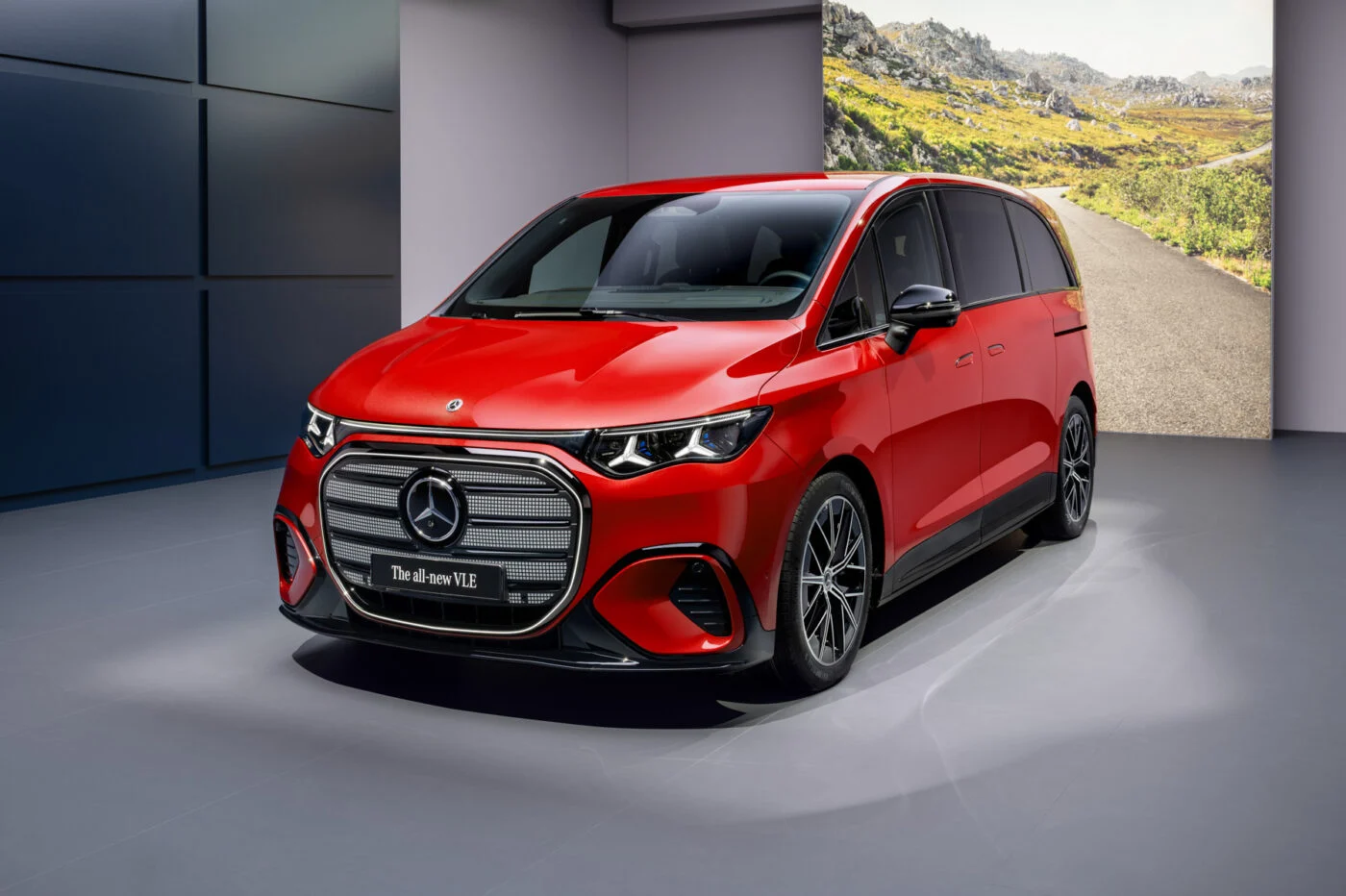
Mercedes-Benz has introduced the VLE, a new battery-electric van that will succeed the Mercedes-Benz EQV while also debuting the company’s next-generation VAN.EA electric van platform.
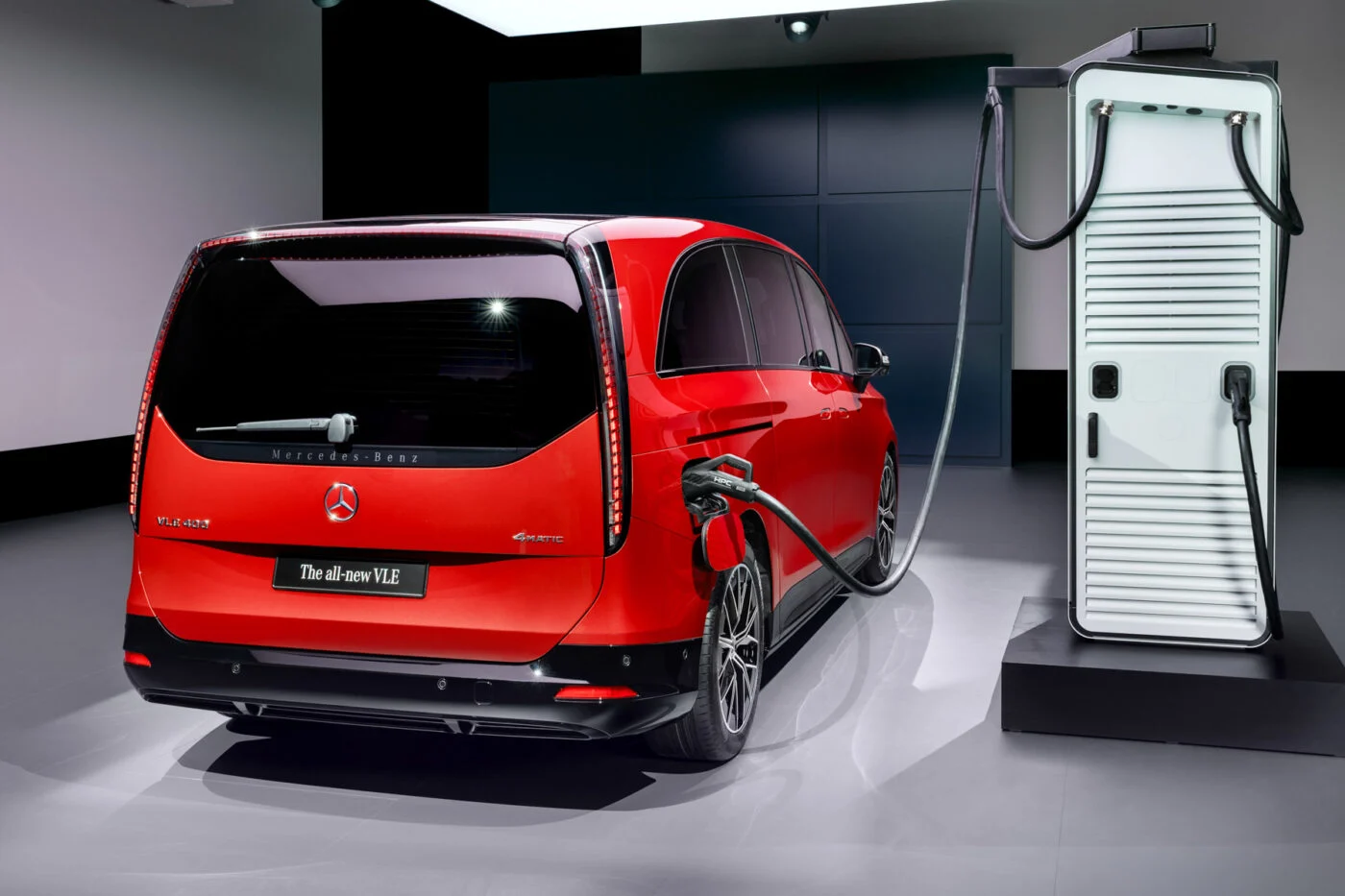
The VLE is the first model built on the modular architecture and is designed to deliver passenger-car-level range and charging performance in the van segment. The vehicle uses an 800-volt electrical system, enabling DC charging of up to 320 kW and a WLTP driving range of more than 700 kilometres in certain configurations.

“The VLE marks the beginning of a new era at Mercedes-Benz. It elevates everything our customers know and appreciate to a new level,” said Thomas Klein, Head of Mercedes-Benz Vans.
Mercedes says the model combines the versatility of a multi-purpose vehicle with passenger-car comfort, targeting both private customers and commercial operators. A more luxurious derivative called the VLS, positioned as a flagship van comparable to the S-Class in Mercedes’ passenger car lineup, is expected to follow.

The new VAN.EA platform was developed as a flexible architecture capable of supporting a wide range of vehicle configurations. While designed primarily for battery-electric vehicles, Mercedes has also derived a combustion-engine variant called VAN.CA to support markets where electrification is progressing more slowly.
The VLE will be available with two battery options. The VLE 300 and VLE 400 4MATIC use a 115 kWh NMC battery, while the entry-level VLE 250 uses an 80 kWh LFP battery aimed mainly at fleet customers. The larger battery enables more than 700 kilometres of WLTP range and supports 10–80% charging in about 25 minutes, with up to 320 kilometres of range added in roughly 15 minutes under optimal conditions.
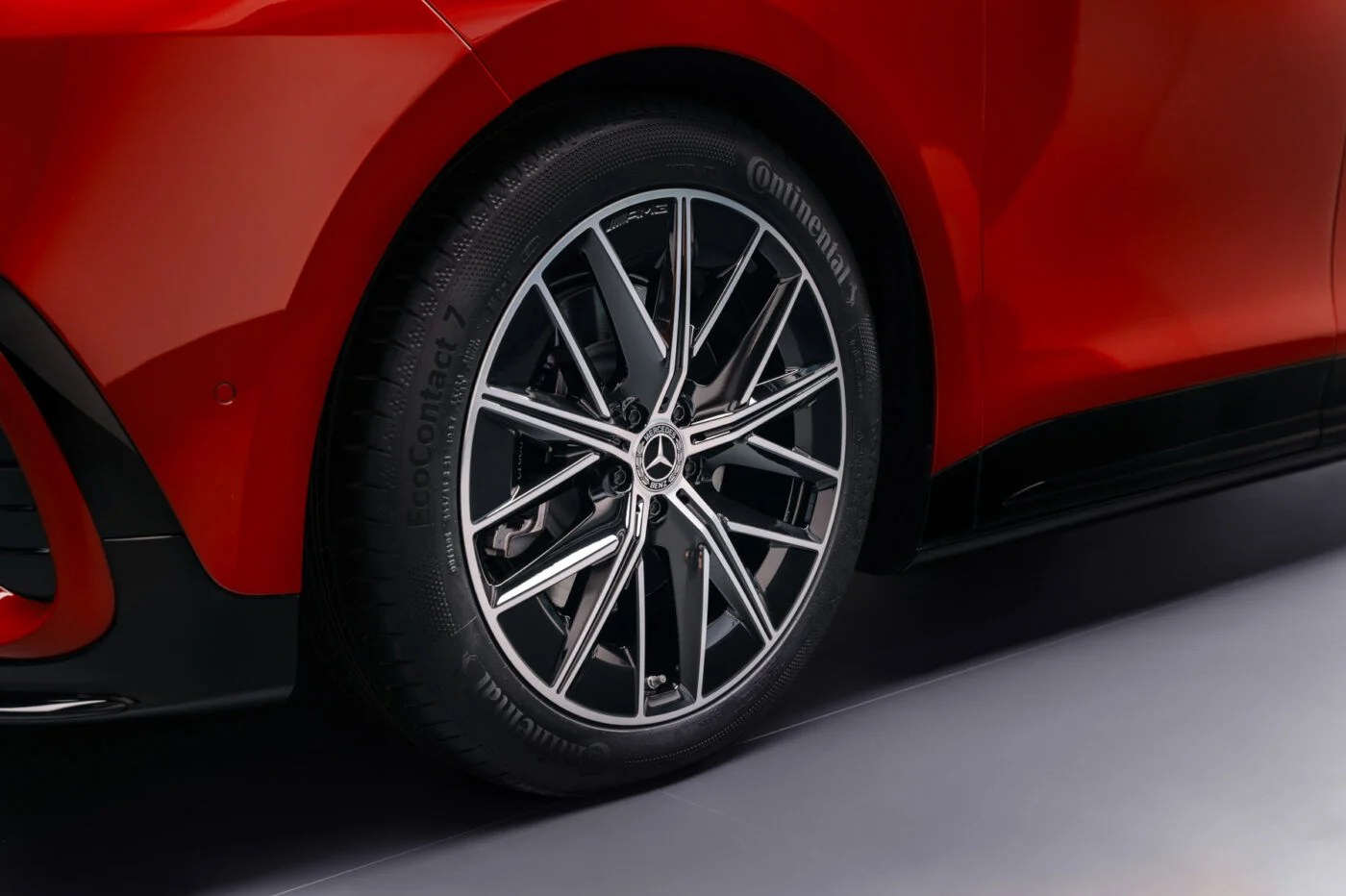
The battery pack uses a cell-to-pack architecture with prismatic cells supplied by CATL and incorporates more than 50% recycled aluminium in its housing and cooling system. Mercedes said the battery production process reduces the overall CO₂ footprint by roughly 30% compared with conventional methods.
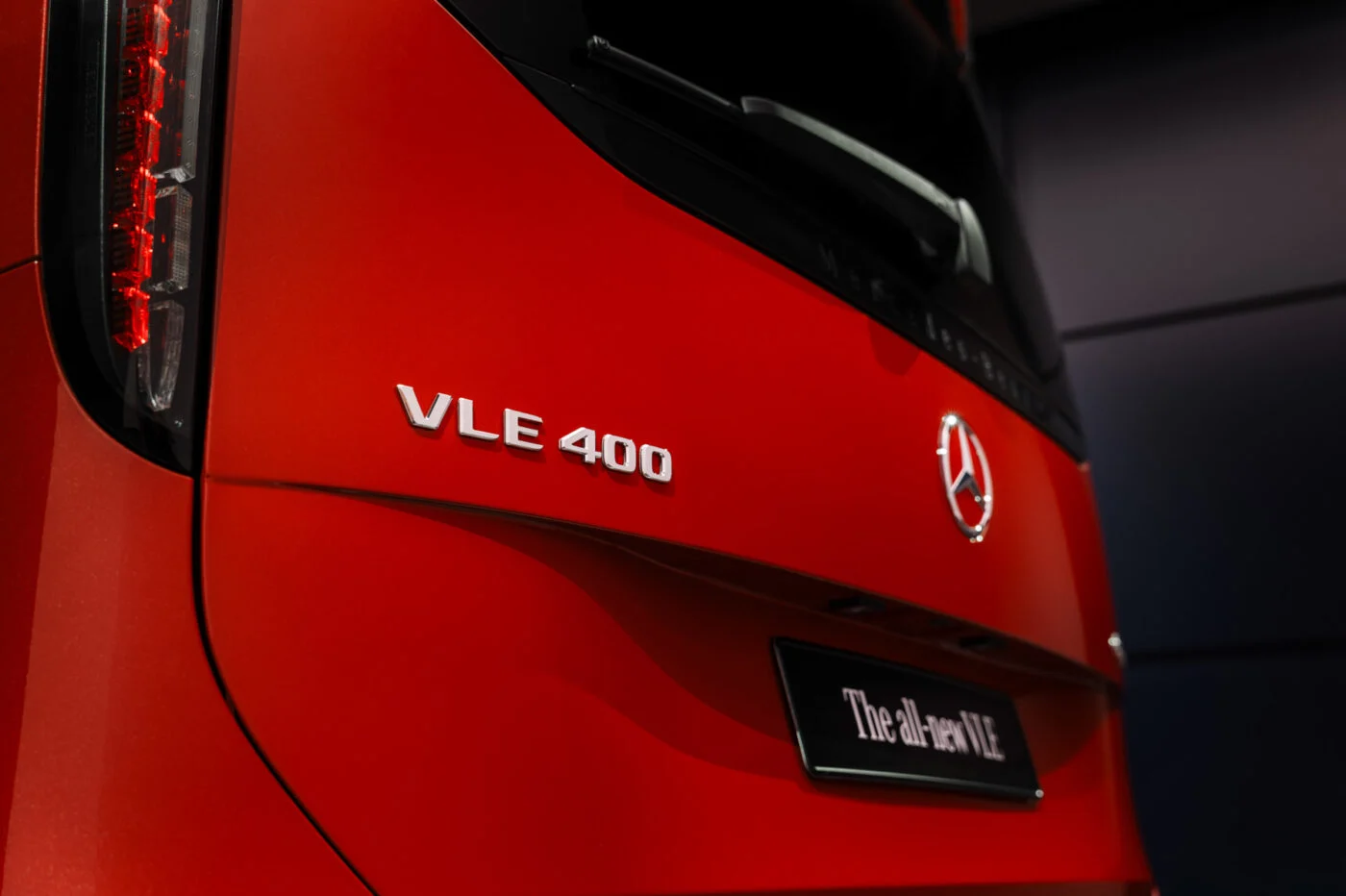
Two powertrain configurations will initially be offered. The VLE 300 features 200 kW front-wheel drive, while the VLE 400 4MATIC uses dual motors delivering 305 kW and all-wheel drive. The latter accelerates from 0 to 100 km/h in 6.5 seconds, compared with 9.5 seconds for the front-wheel-drive model, while both versions have a top speed of 180 km/h.
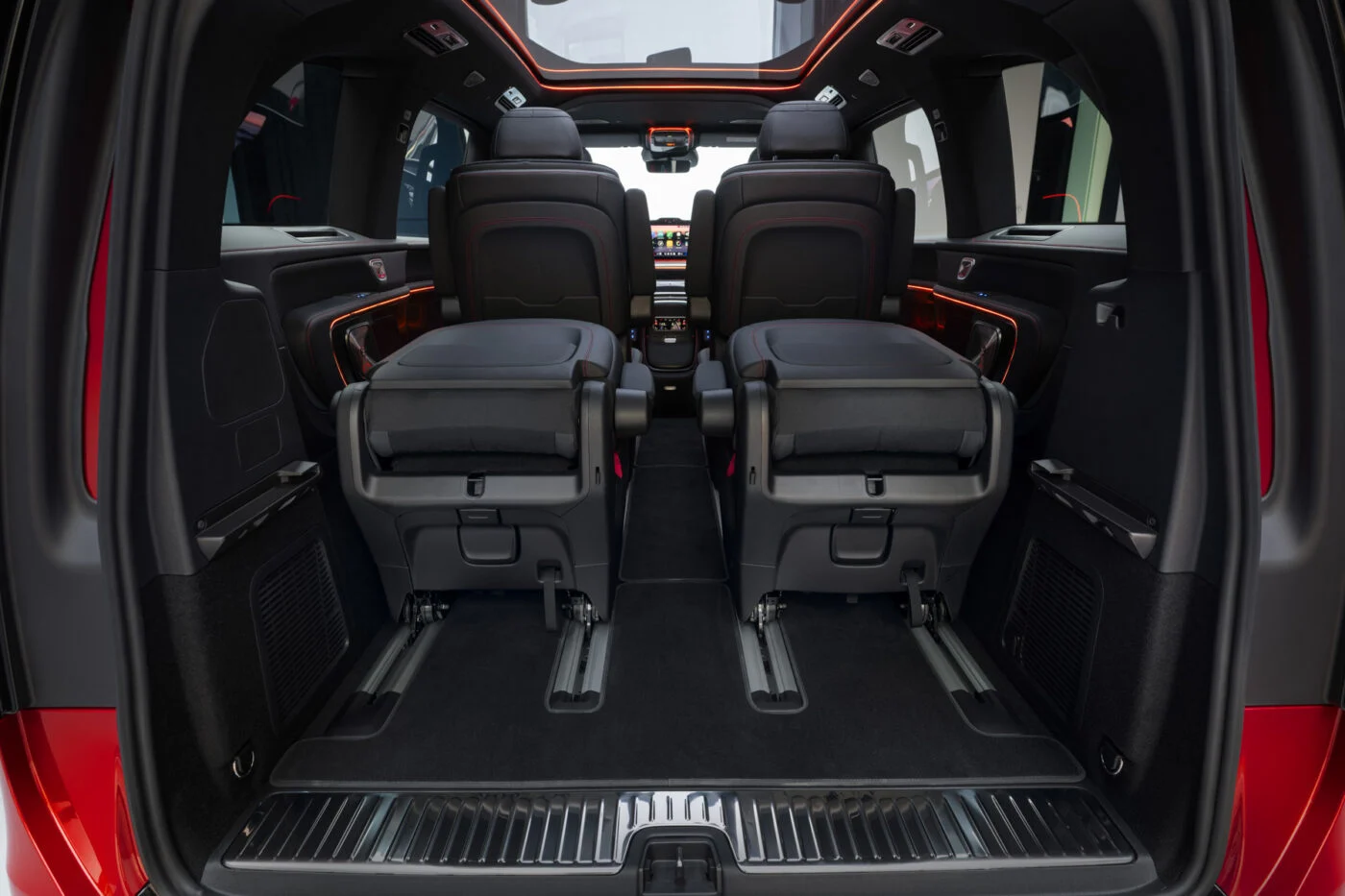
The van measures 5.31 metres in length, two metres in width, and 1.93 metres in height, with a 3.34-metre wheelbase. Despite its size, Mercedes says the model achieves a drag coefficient of 0.25, with estimated energy consumption of 18–21 kWh per 100 km. Rear-wheel steering reduces the turning circle to 10.9 metres, improving manoeuvrability.
The VLE 400 4MATIC will also offer a towing capacity of up to 2.5 tonnes, making it suitable for caravans or boat trailers, while the front-wheel-drive version is currently rated for 1,000 kilograms, with a possible increase under consideration.
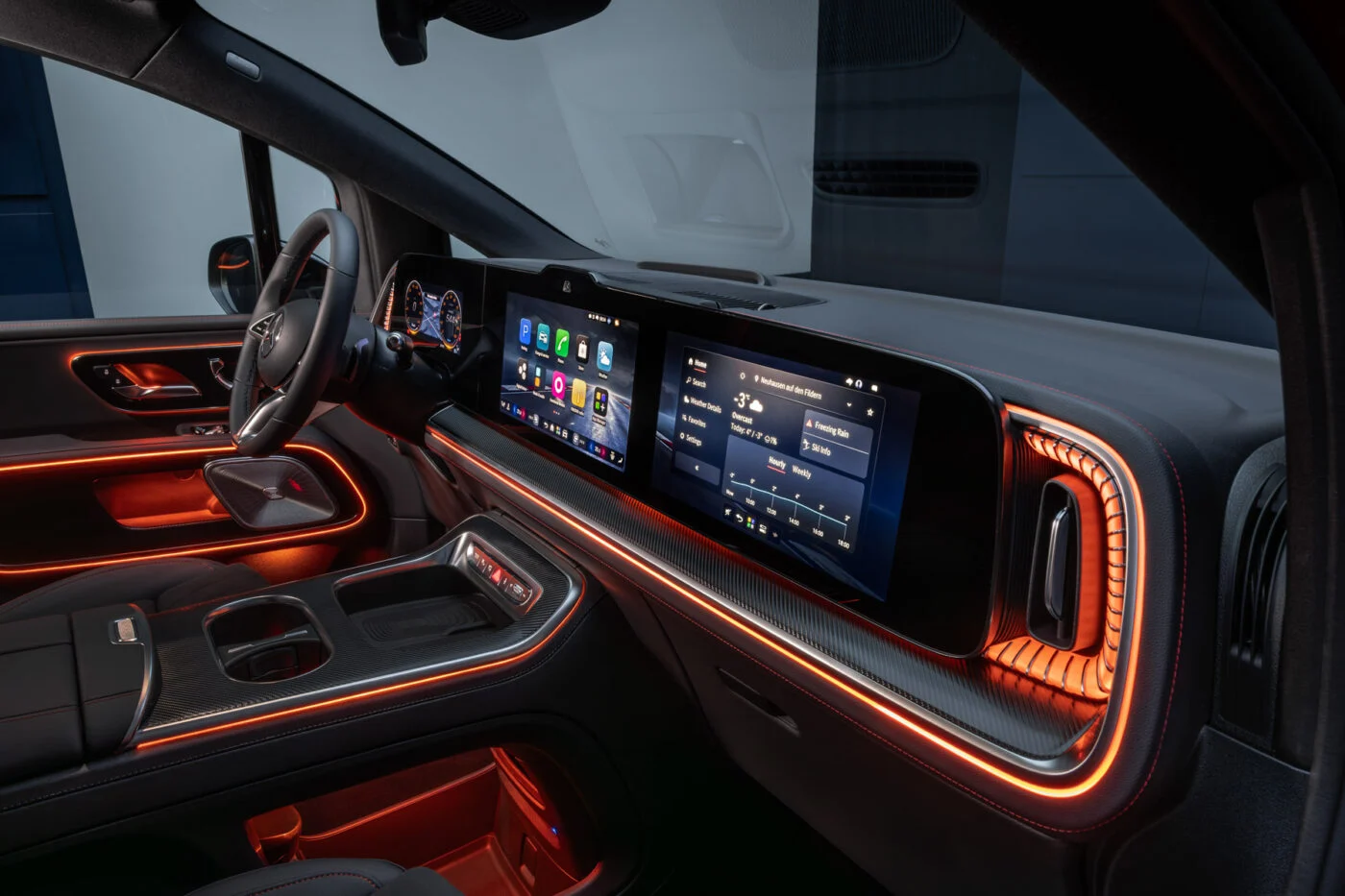
Inside, the vehicle will be offered in six-, seven-, or eight-seat configurations with multiple seating layouts. The dashboard features a wide digital “Superscreen” display, and higher trims can include features such as massage seats, a refrigerated centre console, and a 31.3-inch 8K rear entertainment screen. Cargo capacity can reach 4,078 litres when the rear seats are removed.
Production of the VLE will take place at Mercedes-Benz’s van plant in Vitoria-Gasteiz. Mercedes indicated that the entry-level VLE 250 could start at around €57,000 before VAT, or roughly €68,000 including VAT, with higher-spec versions exceeding €100,000 depending on equipment.
Electric vans currently represent a relatively small share of the company’s sales. In 2025, Mercedes-Benz delivered more than 359,000 vans, of which about 28,500 were electric, or roughly 8% of total deliveries.


