



Mercedes-Benz has confirmed plans to introduce an all-electric version of its E-Class sedan as part of a broader product overhaul that will see dozens of new or revised models launched by 2027.
The German automaker has not specified whether the upcoming electric E-Class will replace the EQE, but a transition appears likely. Mercedes has previously moved away from the “EQ” branding, as seen with the electric G-Class, which was named G 580 with EQ technology rather than EQG. With the EQE falling short of sales expectations, a rebranding combined with new technology could offer a fresh start for the segment.
See also: Mercedes-Benz EVs Gain Access to Tesla Supercharger Network in the U.S.
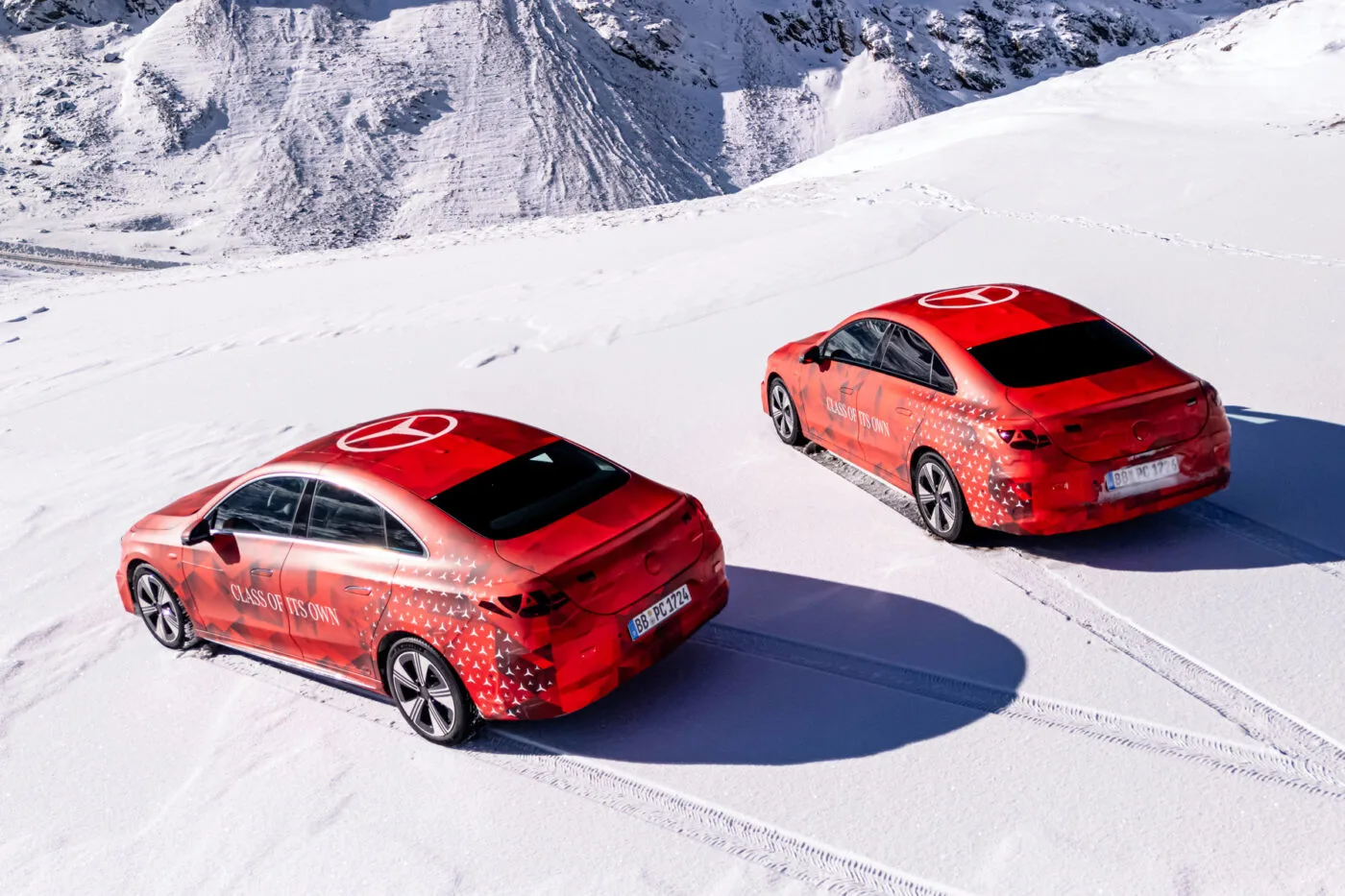
According to a company statement, the product expansion will begin with the CLA, which is set to debut as an electric model before later being offered as a mild hybrid. The CLA, underpinned by the Mercedes Modular Architecture (MMA), will mark the company’s shift toward a more flexible vehicle design strategy. Components such as rear-axle electric motors with a two-speed gearbox, battery modules, and control units from the CLA will be adaptable to larger models, including the electric E-Class.
However, a key distinction remains. While the CLA will be available with both electric and internal combustion engine (ICE) variants on a shared platform, models in the Core and Top-End Vehicle (TEV) segments will utilize distinct platforms for BEV and ICE models, despite sharing nearly identical designs. Mercedes-Benz stated that this approach would allow electric and combustion models to optimize their respective strengths without compromising space, efficiency, or design aesthetics. Customers will primarily select a model based on their preferences and then choose between an electric or combustion drivetrain.
See also: Mercedes-Benz Rolls Out Major Discounts on 2025 EV Lineup Amid Sluggish U.S. Sales
The product expansion also includes the development of an all-electric GLC alongside the electric E-Class. With the introduction of new BEV models, Mercedes-Benz aims to achieve an electrified vehicle (xEV) share of over 30% by 2027. “As the custodians of this iconic brand, we ensure that Mercedes-Benz continues leveraging its full potential,” said CEO Ola Källenius. “We’re launching the company’s biggest-ever product and tech campaign alongside a comprehensive performance enhancement program.”
The strategy comes as Mercedes-Benz faces economic headwinds. The company’s 2024 operating profit declined by 31% year-on-year to 13.6 billion euros, while sales revenue fell 4.5% to 145.5 billion euros. Margins in its core passenger car business dropped from 12.6% to 8.1%. The company expects further declines in sales and revenue this year and is implementing countermeasures beyond the product expansion.
While no German factories will be shuttered, production will be capped at 300,000 vehicles per plant. Instead, the company aims to increase production in lower-cost countries, such as Hungary, where manufacturing expenses at the Kecskemét facility are 70% lower than in Germany. By 2027, the proportion of vehicles built in these regions is expected to rise from 15% to 30%.


