




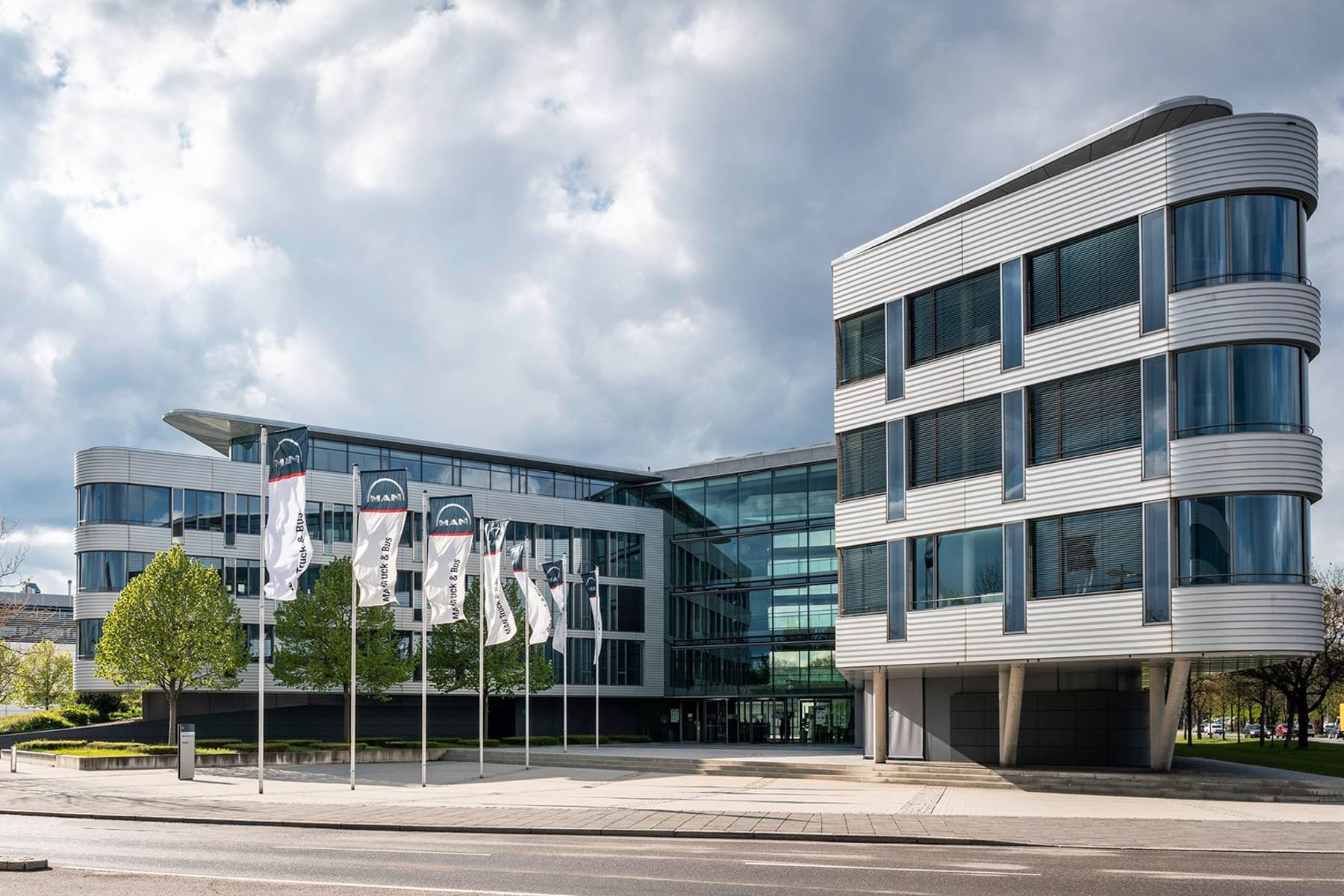
MAN Truck & Bus SE said it has reached a comprehensive agreement with employee representatives on its long-term “MAN2030+” restructuring program, aiming to strengthen competitiveness, secure German production sites and cut costs by around €900 million by 2028.
The deal follows plans announced in late 2025 by parent group Traton to reduce about 2,300 jobs across three German locations over the next decade, a move that had drawn scepticism from the trade union IG Metall. Employee representatives have now approved the framework through Germany’s co-determination process, with the company reiterating that compulsory redundancies in Germany remain excluded.
See also: MAN Truck & Bus Wins Deutsche Bahn Deal For More Than 3,000 Electric And Conventional Buses
Under the agreement, job security is guaranteed until the end of 2035, with a possible extension to 2040 depending on business performance. The largest workforce reduction is expected at the Munich headquarters, where around 1,300 positions will be affected, followed by cuts in Salzgitter and Nuremberg, while the Wittlich site will be exempt. MAN said demographic change would limit the impact, noting that “the demographic loss of 2,300 jobs will be significantly less in Germany over a period of ten years than the number of employees retiring during the same period.”
Alongside the workforce measures, MAN confirmed it will invest close to €1 billion in its German sites by 2030, particularly in Bavaria, to prepare them for future technologies. Wage cuts have been ruled out, and profit-sharing payments will continue. However, the company said that key investments for next-generation vehicles based on the upcoming Traton Modular System, as well as potential new battery production, could also be located in Eastern Europe, depending on the pace of electrification in trucks and buses.
See also: MAN Truck & Bus Secures Record Electric Bus Order in South Africa
“Following intensive negotiations, we have now reached agreement with our employee representatives on the implementation of key cornerstones of the MAN2030+ program,” said MAN Chief Executive Alexander Vlaskamp. “The plan secures MAN’s competitiveness and guarantees our customers a broad product portfolio as a full liner, which forms the basis for the company’s future success.”
Karina Schnur, chair of the general works council, said the compromise balanced competitiveness with employee protection. “The discussions were not easy, but they were always respectful and constructive,” Schnur said, adding that the agreement “sends a very strong signal regarding the security, stability, and future prospects of our employees.”


