



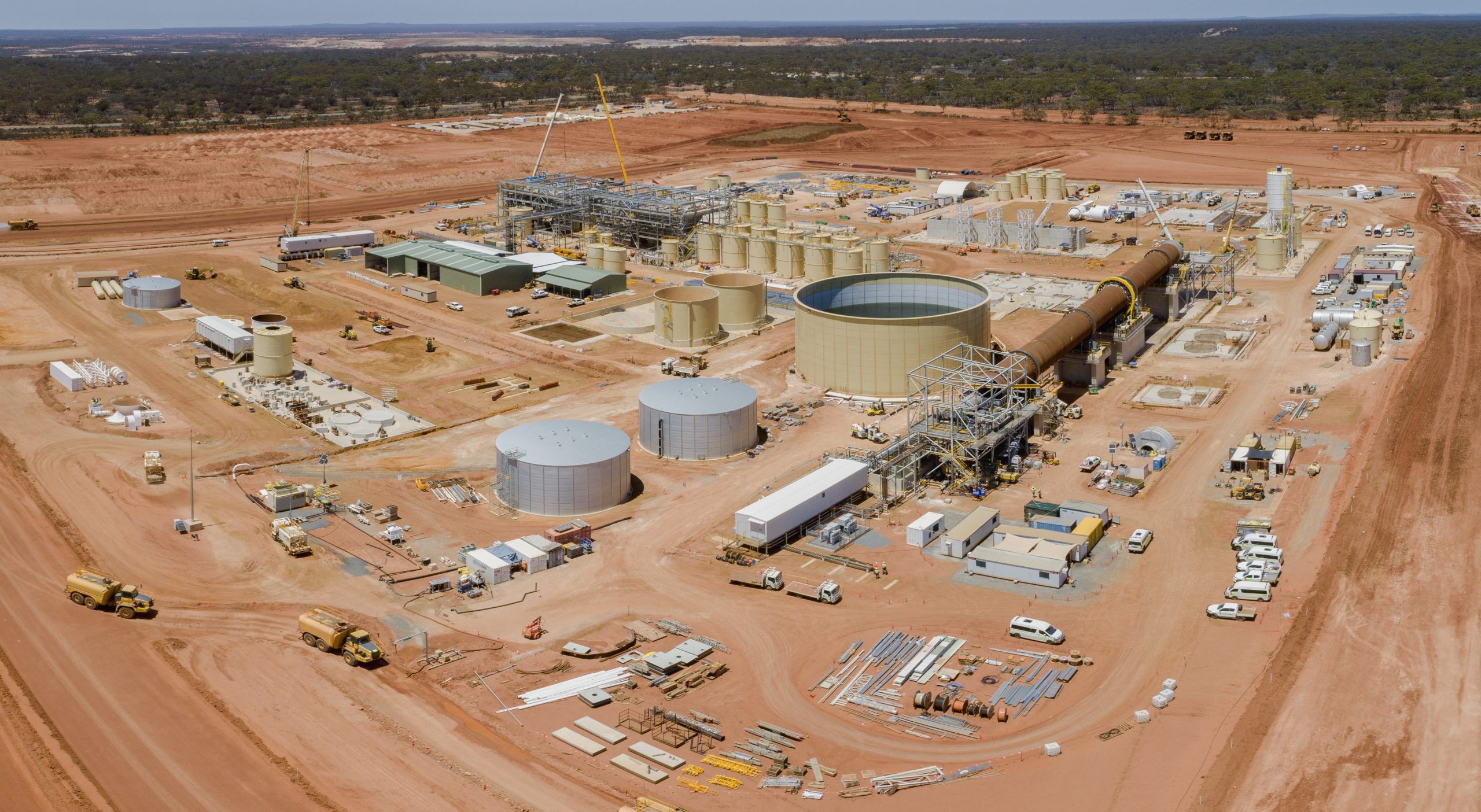
Australia’s Lynas Rare Earths reported a 43% rise in second-quarter revenue on Wednesday, as sharply higher selling prices more than offset a production shortfall caused by power disruptions at its Western Australia processing facility.
The world’s largest producer of rare earths outside China recorded sales revenue of A$201.9 million ($136.0 million) for the quarter ended Dec. 31, up from A$141.2 million a year earlier. The increase came despite output being hit by outages at the company’s Kalgoorlie processing plant, which reduced production by about 30% from the previous quarter.
Average selling prices across Lynas’ rare earths products climbed to $85.60 per kilogram in the December quarter, compared with $49.20 a year earlier, reflecting tighter supply and shifting global trade dynamics. “Frankly, geopolitics continue to be our friend,” chief executive Amanda Lacaze told shareholders at a quarterly results briefing.
China, which accounts for up to 70% of global rare earths production, imposed export controls in April 2025, triggering trade tensions with the United States and prompting Canberra to announce plans for a critical minerals reserve. Lacaze said policy changes, particularly in the U.S., were helping create more functional markets. “Although we are yet to finalise various agreements with government, the policies which have been implemented have already fostered more functional market dynamics,” she said.
Lynas produced 2,382 tonnes of rare earths oxides in the December quarter, down from 3,993 tonnes in the three months to September. While the company said it had made progress resolving power supply issues with the local electricity provider, further outages as recently as this week have led it to develop plans for an off-grid power solution. The disruptions have clouded near-term production guidance.
“What we have provided very clearly is the fact that we’ve made investment in our production facilities to be able to deliver 10,500 tonnes per annum of NdPr,” Lacaze said, referring to neodymium and praseodymium used in magnets for electric vehicles and wind turbines. “The operations team continues to work on ramping up that number and our objective is to get there as soon as possible.”
Shares in Lynas rose 4.8% to A$15.97 in midday trade, with investors responding positively despite the production setback. The results came a week after Lacaze announced plans to retire at the end of the financial year following 12 years at the helm. Under her leadership, Lynas’ market value has grown from about A$400 million in 2014 to more than A$16 billion.
“I’ve spent 12 years of my life working to build a strong and resilient business at Lynas, and I am delighted to be leaving the company in excellent shape,” she said.


