


Li Auto said it delivered 26,421 vehicles in February, a slight increase from a year earlier that ends a run of year-on-year declines, even as deliveries fell compared with the previous month.
The Chinese electric vehicle maker reported a 0.6% rise from February last year but a 4.5% drop from January, attributing the monthly decline in part to the Spring Festival holiday, which ran from Feb. 15 to Feb. 23 this year and disrupted production and deliveries.
See also: Li Auto Autonomous Driving Executive Lang Xianpeng To Depart Robotics Unit

The February result breaks eight consecutive months of year-on-year delivery declines, suggesting stabilisation in sales after a prolonged slowdown. By the end of the month, Li Auto’s cumulative deliveries since launch had reached 1,594,304 vehicles.
The company is undergoing a strategic transition toward battery-electric vehicles (BEVs), a shift that has faced challenges. Its core extended-range electric vehicle (EREV) lineup — which combines electric drive with a small combustion generator — is encountering stronger competition as rival models adopt larger batteries to narrow the gap with fully electric vehicles.
See also: Li Auto Reaches 4,000 Supercharging Stations as EV Strategy Faces Market Pressure

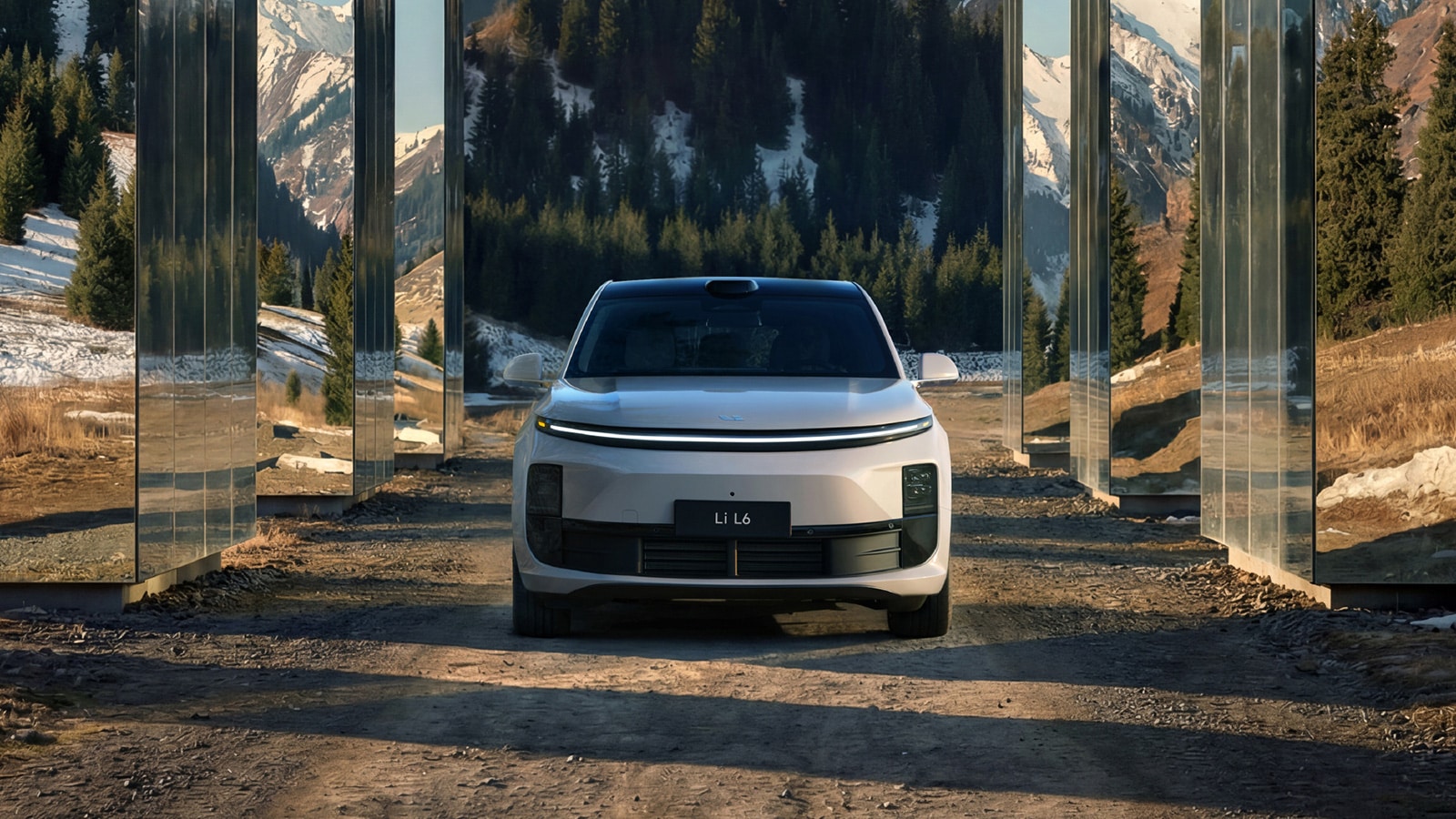
New BEV offerings have also struggled to gain traction. Production constraints for key components forced Li Auto to postpone some deliveries of the i6 model in January, affecting output during the early part of the year.
Investors are expected to focus on the company’s outlook when it reports fourth-quarter and full-year financial results on March 12, after several months of weak sales and losses reported in the third quarter.
See also: Li Auto Files Li L9 Livis With Larger Body and 72.7 kWh Battery
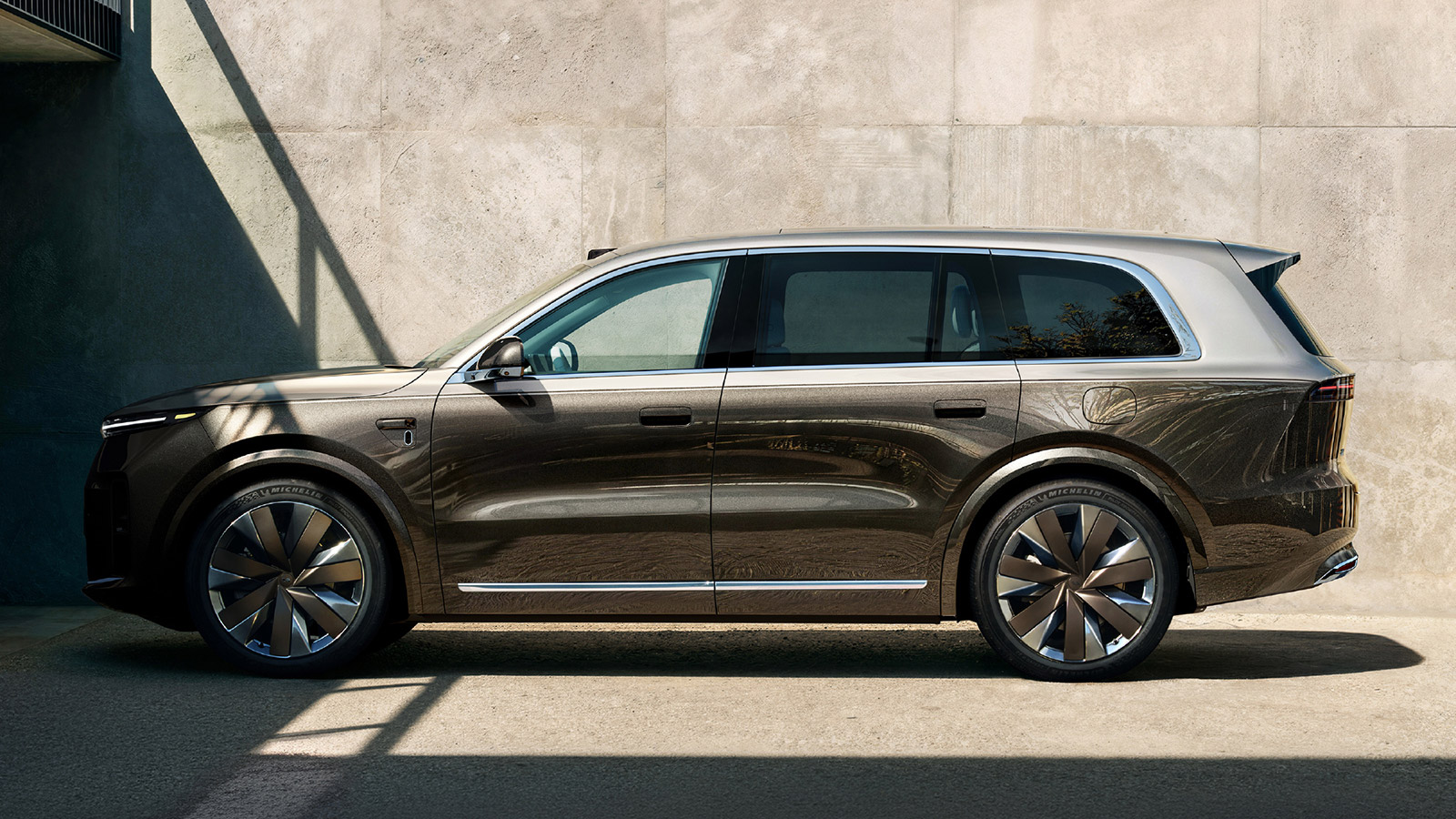
To support its position in the EREV segment, Li Auto plans to launch an updated version of its flagship L9 sport utility vehicle in the second quarter, including a new variant known as the L9 Livis. The company said the model aims to advance intelligent features designed to act as a service-oriented mobility platform.
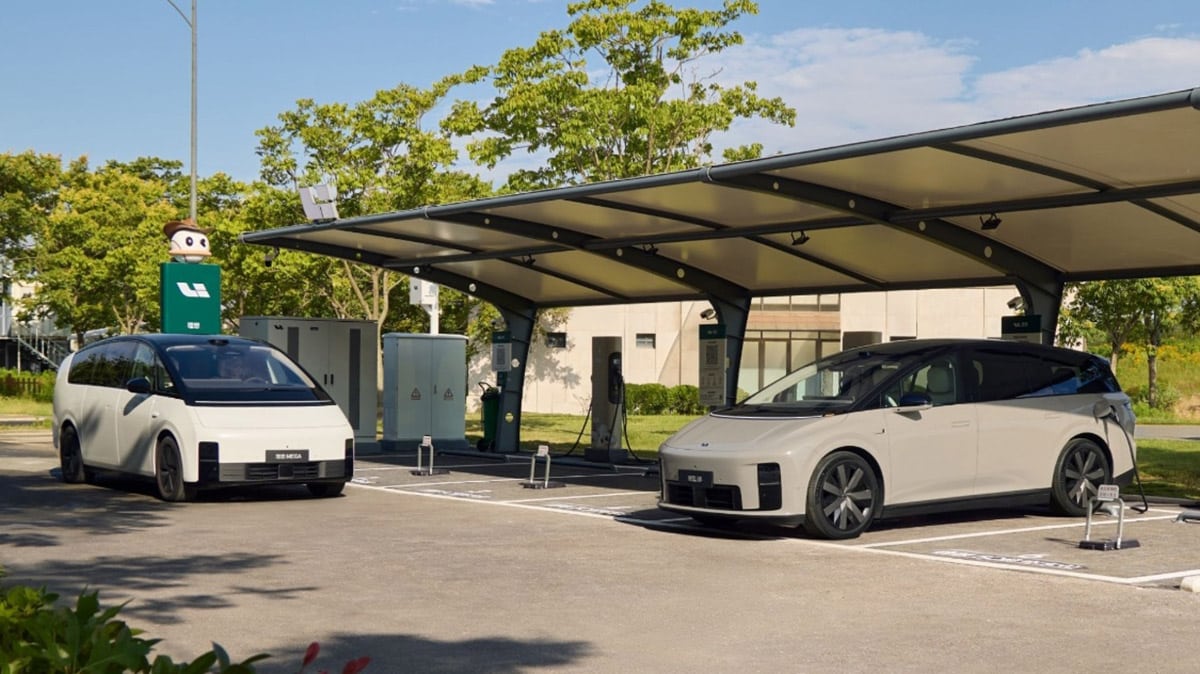
Li Auto also highlighted progress in charging infrastructure, reporting that it operates 4,054 supercharging stations. The network handled more than 1.45 million charging sessions during the peak travel period around the Spring Festival holiday.


