
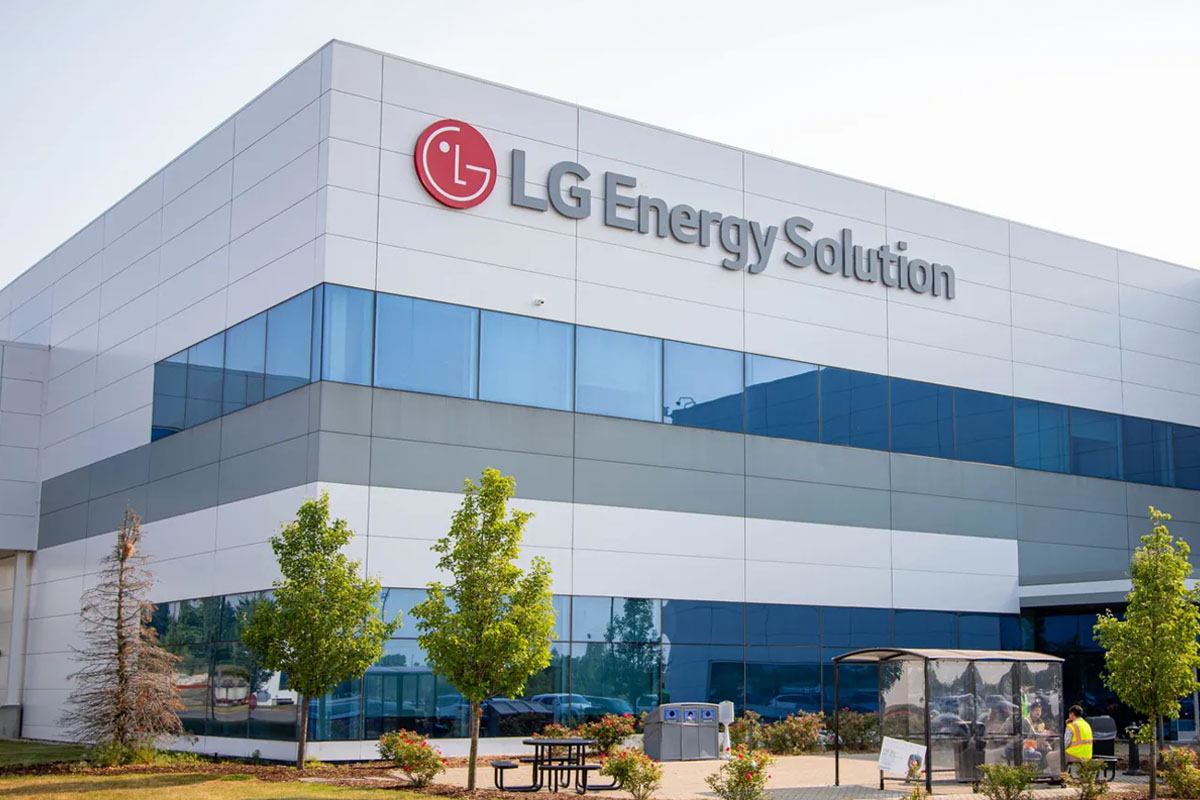
LG Energy Solution , a leading South Korean battery manufacturer, announced on Friday it will reduce its capital expenditure by up to 30% this year, citing slower growth in electric vehicle (EV) demand.
The announcement comes after the company posted an operating loss of 226 billion won ($158 million) in the fourth quarter, marking its first quarterly loss in three years. This compares with a profit of 338 billion won during the same period a year earlier.
See also: LG Energy Solution Introduces Advanced SoC-Based Battery Management System
“The changes in U.S. tariffs and subsidies could slow the pace of electrification in the short term, but we believe that there would be no major change in the future direction of the battery industry,” said Lee Chang-sil, Chief Financial Officer of LG Energy Solution, during a conference call. Concerns over potential policy shifts in the United States, including the possible removal of a $7,500 EV tax credit, have added uncertainty to the market.
LGES attributed part of its earnings decline to reduced demand from General Motors, its major customer, which operates joint battery plants with LGES in North America. However, the company expects demand to rebound in the second quarter as GM launches new models. Despite near-term challenges, LGES aims to achieve revenue growth of 5% to 10% in 2025, supported by its upcoming joint battery facilities with Stellantis and Honda, which are set to begin production in North America later this year.
See also: LG Energy Solution in Talks with JSW Energy for $1.5 Billion Battery Joint Venture in India
As part of its expenditure reductions, LGES will focus on optimizing existing production capacity rather than building new plants. The company currently operates facilities with GM in Ohio and Tennessee and recently acquired a stake in a battery plant in Lansing, Michigan.
In his New Year message, LG Energy Solution CEO Kim Dong-myung expressed cautious optimism about the EV market, predicting a recovery after 2026. However, he also warned of challenges, including growing competition from Chinese manufacturers. Revenue for the fourth quarter dropped 19% year-on-year to 6.45 trillion won, underlining the need for strategic adjustments.
See also: General Motors and LG Energy Solution Unveil Prismatic Battery Cell Development Partnership