
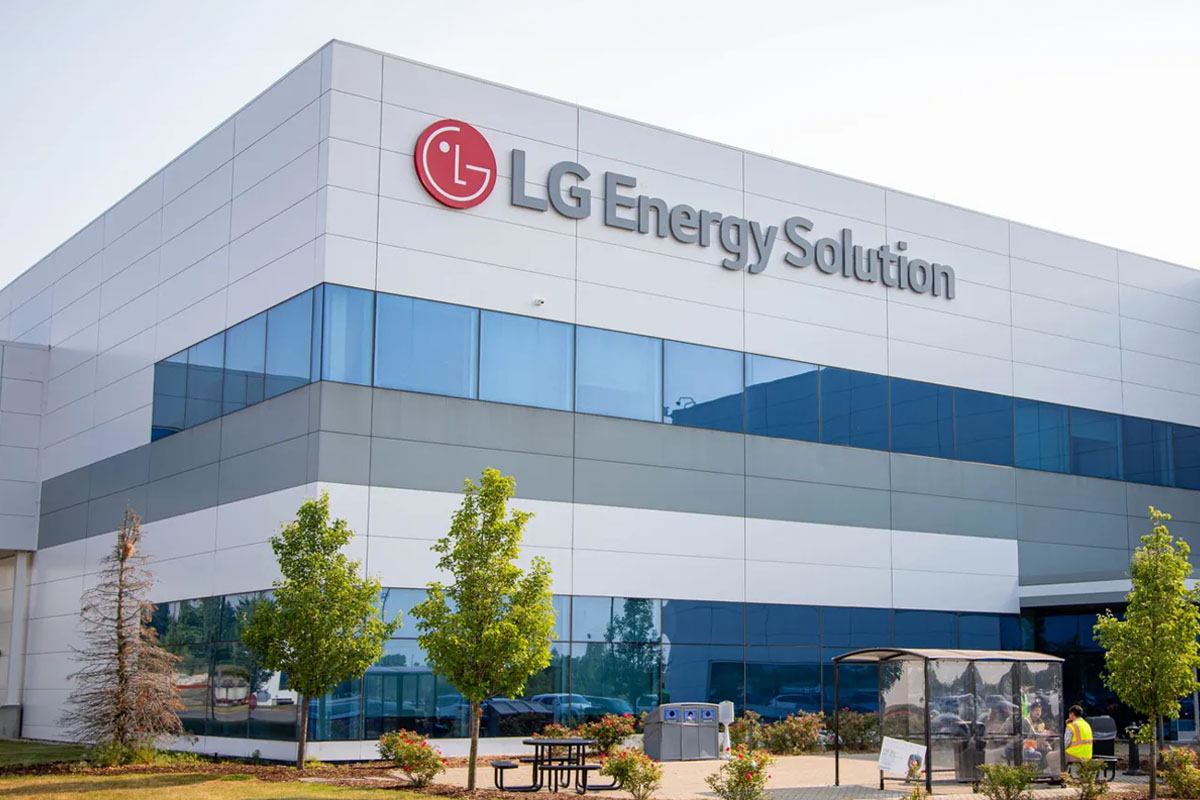
LG Energy Solution is planning to reduce its reliance on cathode materials supplied by sister company LG Chem for batteries delivered to Tesla, and instead increase sourcing from South Korean materials manufacturer L&F, according to a report by Business Korea.
The change is reportedly tied to Tesla’s requirements for higher-nickel cathode materials used in nickel-manganese-cobalt (NMC) batteries. Cathodes with a nickel content of around 95% can deliver about 20% higher energy density than existing products containing roughly 90% nickel, the report said.
LG Energy Solution currently supplies battery cells used in the Tesla Model Y Long Range. In Tesla’s internal battery pack classification, vehicles equipped with LG-produced cells are designated with the number “5,” with the updated Model Y Juniper version using the “5M” battery pack.
Industry sources cited by Business Korea said Tesla is increasingly urging suppliers to provide ultra-high-nickel battery technology to improve energy density for electric vehicles and future products such as the Optimus humanoid robot.
Higher energy density can allow automakers to extend vehicle range or achieve similar performance using fewer battery cells, potentially lowering production costs if raw material prices remain manageable.
According to the report, LG Chem has yet to achieve the production scale and quality levels required by Tesla for cathode materials containing at least 95% nickel. The company has primarily produced cathode materials with around 90% nickel content in mass production.
Under Tesla’s current battery strategy, high-nickel NMC batteries are typically used in premium models, while lithium iron phosphate (LFP) batteries are deployed in entry-level and mid-range vehicles.
As a result, suppliers in the high-nickel battery segment face stricter technical requirements. Industry representatives said cathode materials supplied by L&F are expected to be increasingly used in LG Energy Solution cells for Tesla beginning in the second half of 2025.
Analysts cited in the report said LG Energy Solution’s willingness to source materials from outside its corporate group highlights the competitive pressure within the battery supply chain.
They described the move as reflecting “the harsh reality of the current battery market,” adding that “a survival battle is underway” among materials suppliers.
The battery industry is currently navigating a period of slower demand growth for electric vehicles before broader mass adoption, intensifying competition among cell makers and component suppliers.
As automakers adopt a dual strategy using both LFP and high-nickel NMC batteries, manufacturers and materials providers are facing increasing pressure to improve energy density, cost competitiveness and production scalability.