




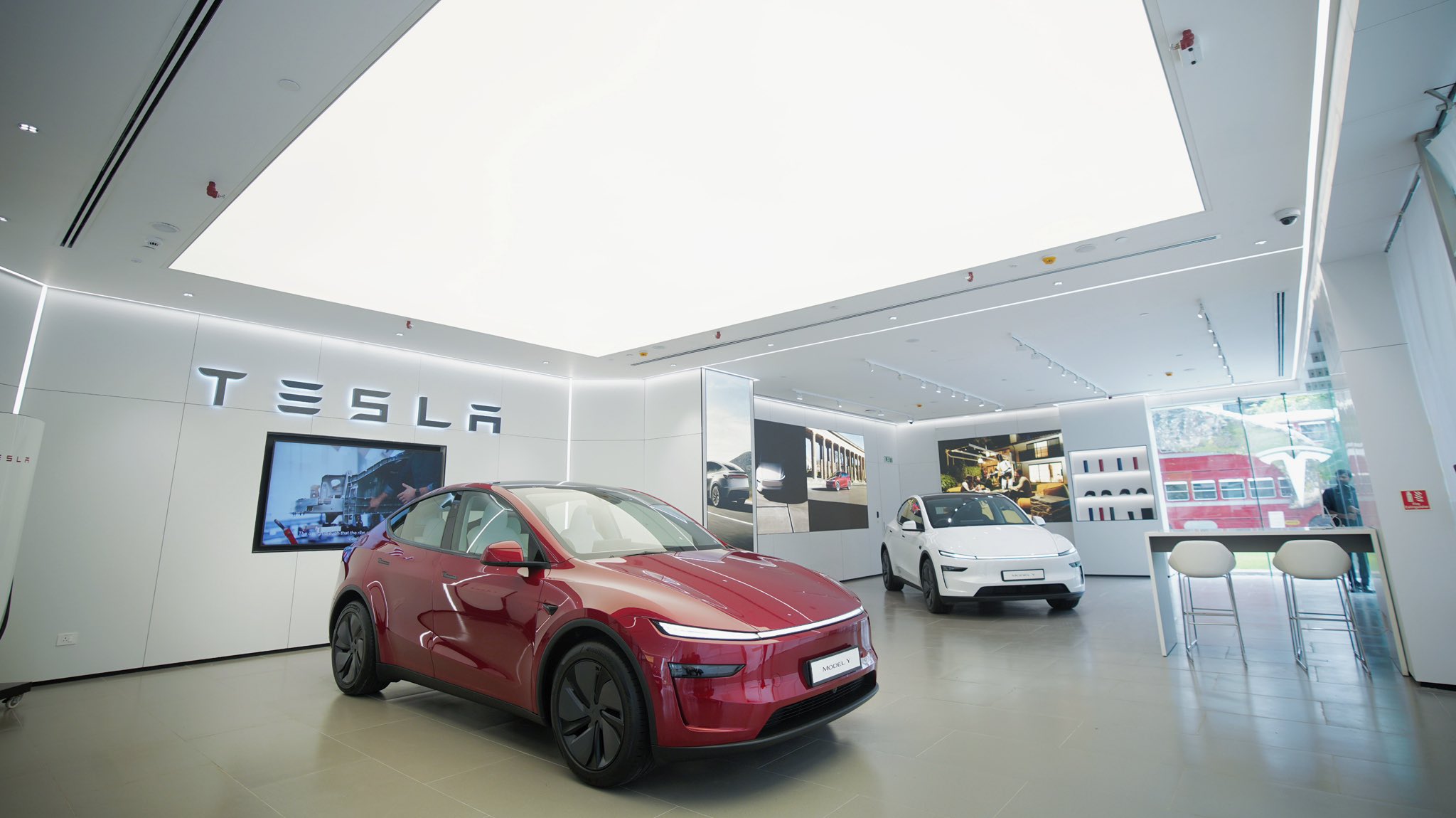
India’s GST advisory panel has recommended higher taxes on expensive electric vehicles, a move that could impact imported models such as Tesla’s Model Y, BMW’s iX and Mercedes-Benz EQ cars, as well as some domestic offerings, Reuters reported.
The panel proposes raising the goods and services tax (GST) on EVs priced between 2 million and 4 million rupees (€19,500–€39,000) from 5% to 18%, and applying a 28% rate on vehicles above €39,000. The recommendations argue that such models cater to the “upper segment” of society and are mostly imported rather than produced in India.
“The uptake of electric vehicles is increasing and while the low rate of 5% is to incentivise faster adoption, it is also important to signal that higher-priced EVs can be taxed at higher rates,” the advisory noted. The proposals will be reviewed this week by the GST Council, which includes India’s finance minister and state representatives and has final authority on tax changes.
Domestic manufacturers Tata Motors and Mahindra may also be affected, though few of their models cross the 2 million rupee mark. Tata said it is “imperative” to retain the current GST to avoid slowing EV uptake. BMW India warned the change “can derail the vision of high electric adoption and local production,” while Mercedes-Benz India said the rise would mainly affect entry-level luxury EVs.
Tesla’s Model Y, priced at about 6.1 million rupees (€60,900), would be among the hardest hit, facing both the proposed GST hike and import tariffs of around 100%. BMW, Mercedes-Benz and BYD also sell EVs in India that fall within the proposed tax bands.
The recommendations highlight a policy balancing act between fiscal needs, domestic manufacturing incentives and India’s EV adoption targets. Earlier this year, the government launched a scheme to promote local EV production, underscoring the competing pressures facing the sector.