

Honda Motor has outlined its next-generation electrified vehicle technologies at its latest Automotive Technology Workshop, unveiling platforms that will underpin new hybrid and electric models in the second half of the 2020s. The developments form part of the company’s broader strategy to achieve carbon neutrality and eliminate traffic fatalities by 2050.
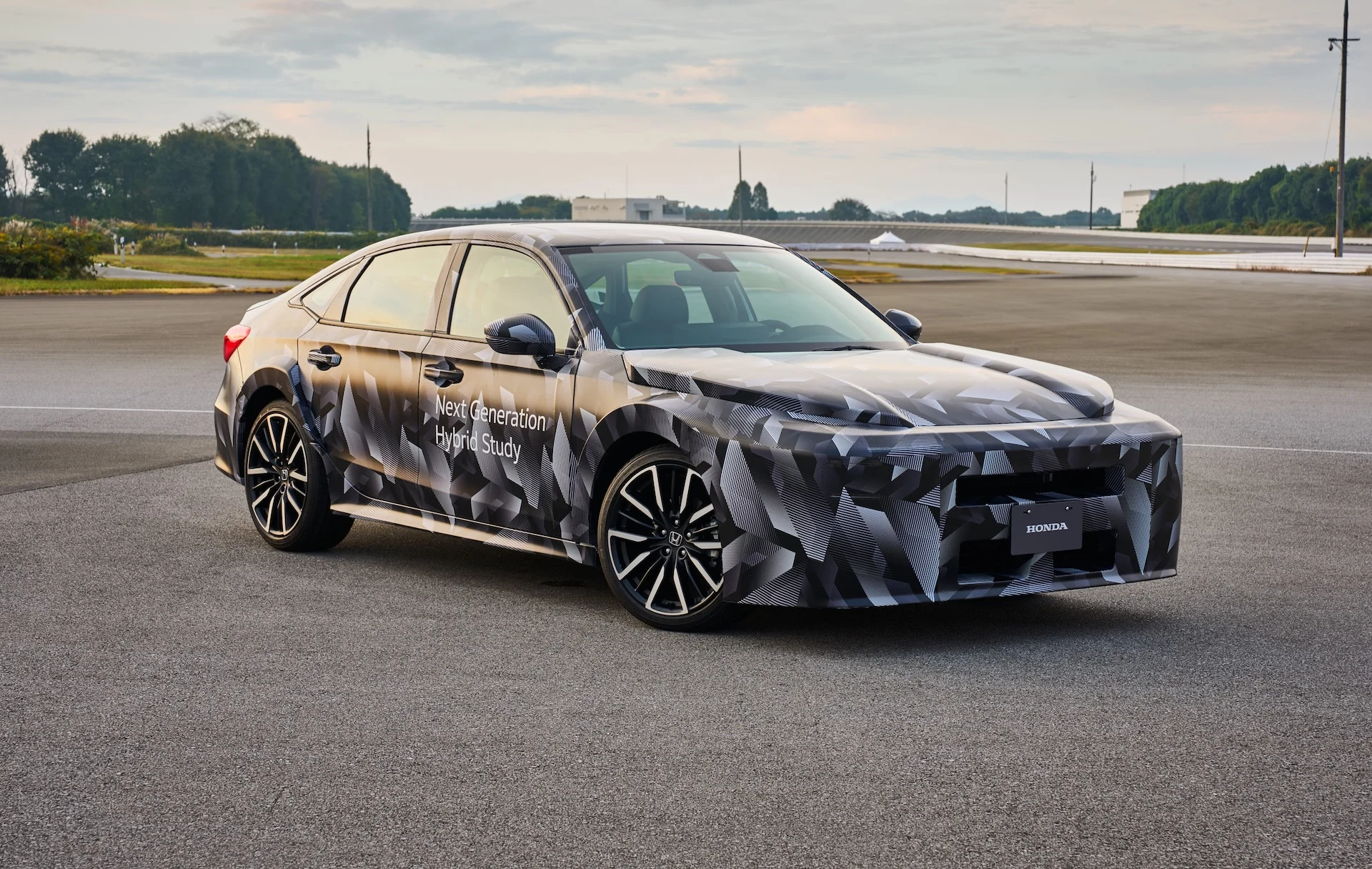
A key component of Honda’s plan is a new mid-size hybrid platform that reduces vehicle weight by 90 kilograms while introducing a modular structure allowing over 60% parts commonality across future models.
See also: Honda Cuts Annual Profit Forecast by 21% Amid One-Time EV Costs, Weak Asia Sales, and Chip Shortage

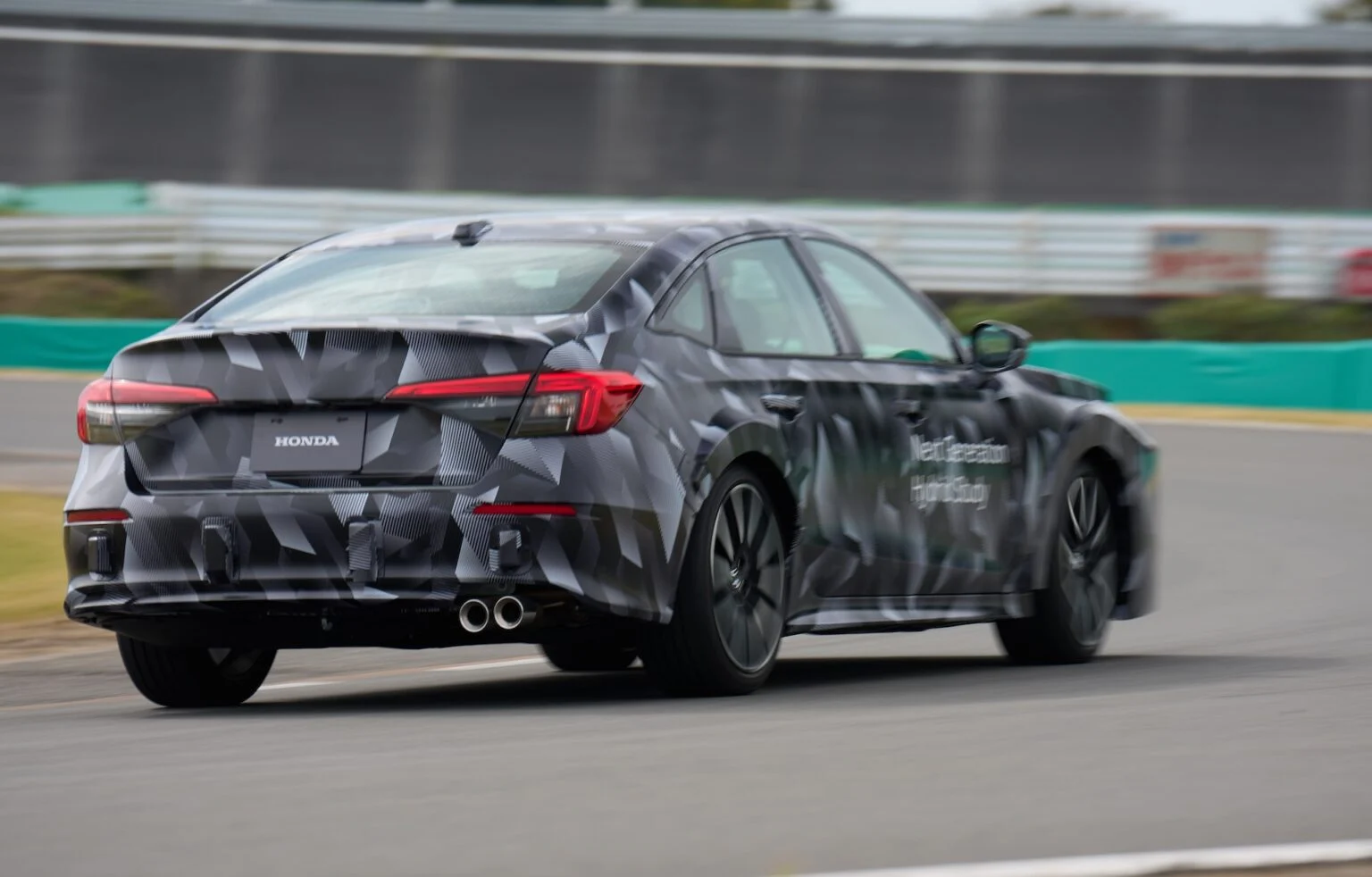
The platform combines high rigidity with lightweight construction to improve handling and performance, reflecting Honda’s goal to maintain dynamic driving characteristics as it expands its electrified lineup. The company said the modular design separates commonized areas, such as the engine room, from customizable sections like the rear cabin, streamlining development and production efficiency.
Honda also revealed progress on a new large-size hybrid system built around a V6 engine for the North American market. The system, set to debut in the late 2020s, aims to deliver over 30% better fuel efficiency and more than 10% improved acceleration compared with current internal combustion models. The design targets greater power and towing capacity while meeting stringent environmental standards, supported by new high-efficiency drive units and optimized energy management controls.
See also: Honda Unveils Two Electric Prototypes at Japan Mobility Show 2025

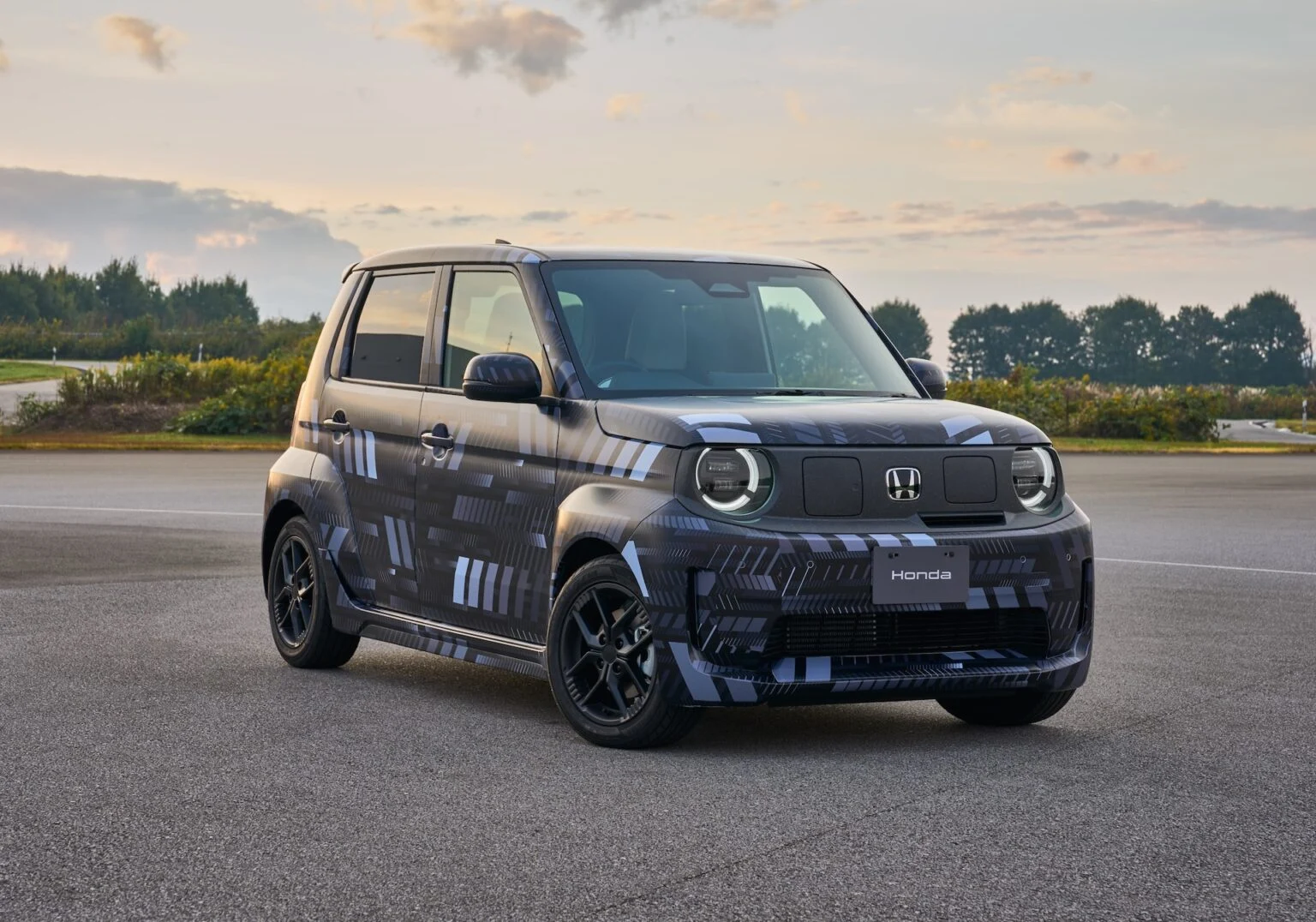
In the compact EV segment, Honda introduced details of its upcoming Super-ONE model, which will launch in Japan in 2026 before expanding to the U.K. and other Asian markets. Based on the “e: Dash BOOSTER” concept, the lightweight EV will feature a low-mounted thin battery and a wide-track chassis for improved handling. The model will also include a “Boost Mode” paired with a simulated seven-speed transmission and Active Sound Control, designed to reproduce the gearshift sensations and driving engagement of a traditional combustion engine vehicle.
Honda said these technologies represent a step forward in its transition toward full electrification, emphasizing enhanced performance, modularity, and driving enjoyment across its future hybrid and EV range.