



Honda Motor plans to export a battery-electric vehicle produced at its Chinese joint venture plant to Japan for the first time, marking a shift in the automaker’s global EV strategy as it seeks to expand its lineup in its home market.
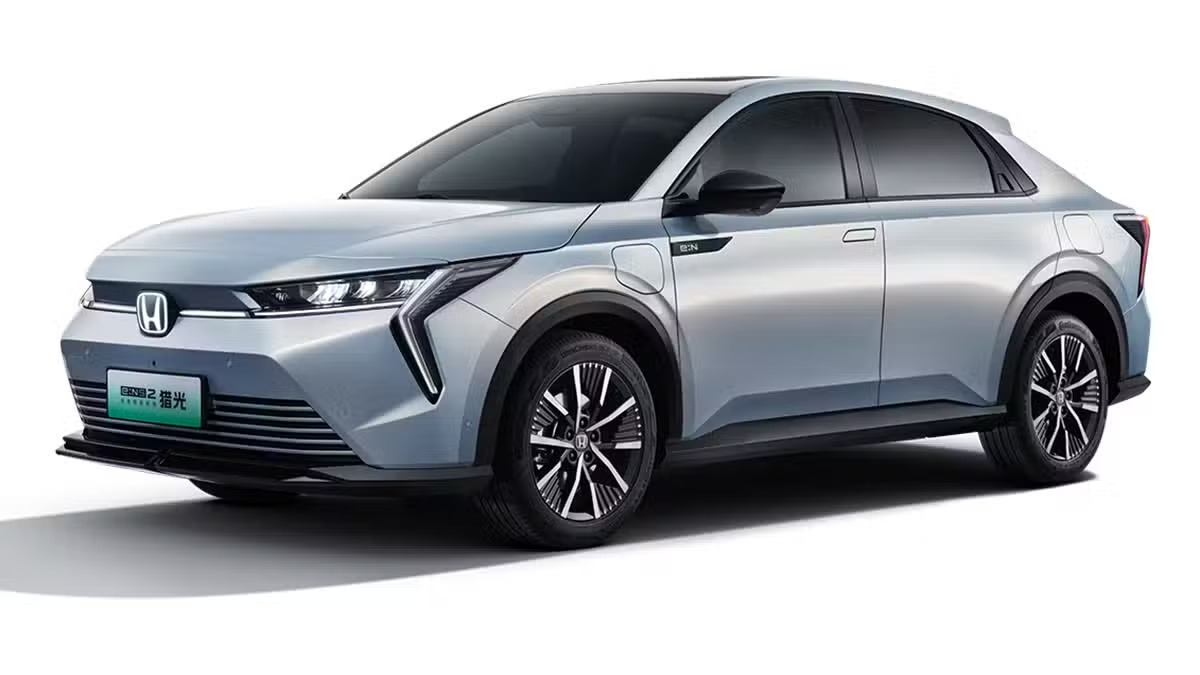
According to reports from Chinese and Japanese media, the e:NS2 electric model produced at the factory operated by Dongfeng Honda will be introduced in Japan as early as spring 2026. The vehicle will reportedly be sold under the revived Honda Insight nameplate.
Pre-orders for the model are expected to begin on March 19, with exports limited to about 3,000 units.
The vehicle is manufactured at Dongfeng Honda’s No. 1 plant in China and is equipped with a 68.8-kWh battery supplied by CATL. The battery provides an estimated driving range of 545 kilometers. In China, the e:NS2 has a starting price of about 159,800 yuan ($23,190).
The move would mark the first time a major Japanese automaker has sold a fully electric passenger vehicle built in China in the Japanese domestic market.
Japanese media outlet Nikkei Asia reported that the plan is part of Honda’s effort to strengthen its electric vehicle offerings in Japan and improve production utilization at its factories in China.
Honda currently sells only two micro EV models in Japan—the Honda N-ONE e: and Honda N-VAN e:—and faces increasing competition from rivals including Tesla and Toyota.
The China-built EV would become Honda’s longest-range electric vehicle available in Japan, a step the company hopes will help strengthen its position in the domestic EV market.
At the same time, exporting vehicles from China could help improve the utilization of Honda’s manufacturing facilities in the country, where sales have been under pressure amid growing competition from domestic automakers.


