




Honda and DriveOhio have completed a two-year pilot program demonstrating an AI-powered roadway maintenance system capable of identifying infrastructure defects with high accuracy using real-time vehicle data, the partners said.
The project, funded by the Ohio Department of Transportation, tested automated detection technology across roughly 3,000 miles of roads in Ohio. Results showed detection accuracy of 99% for damaged or obstructed road signs, 93% for guardrails and an average of 89% for potholes, according to the project team.
See also: Honda to Debut Redesigned H Mark on Next-Generation EVs and Hybrids From 2027
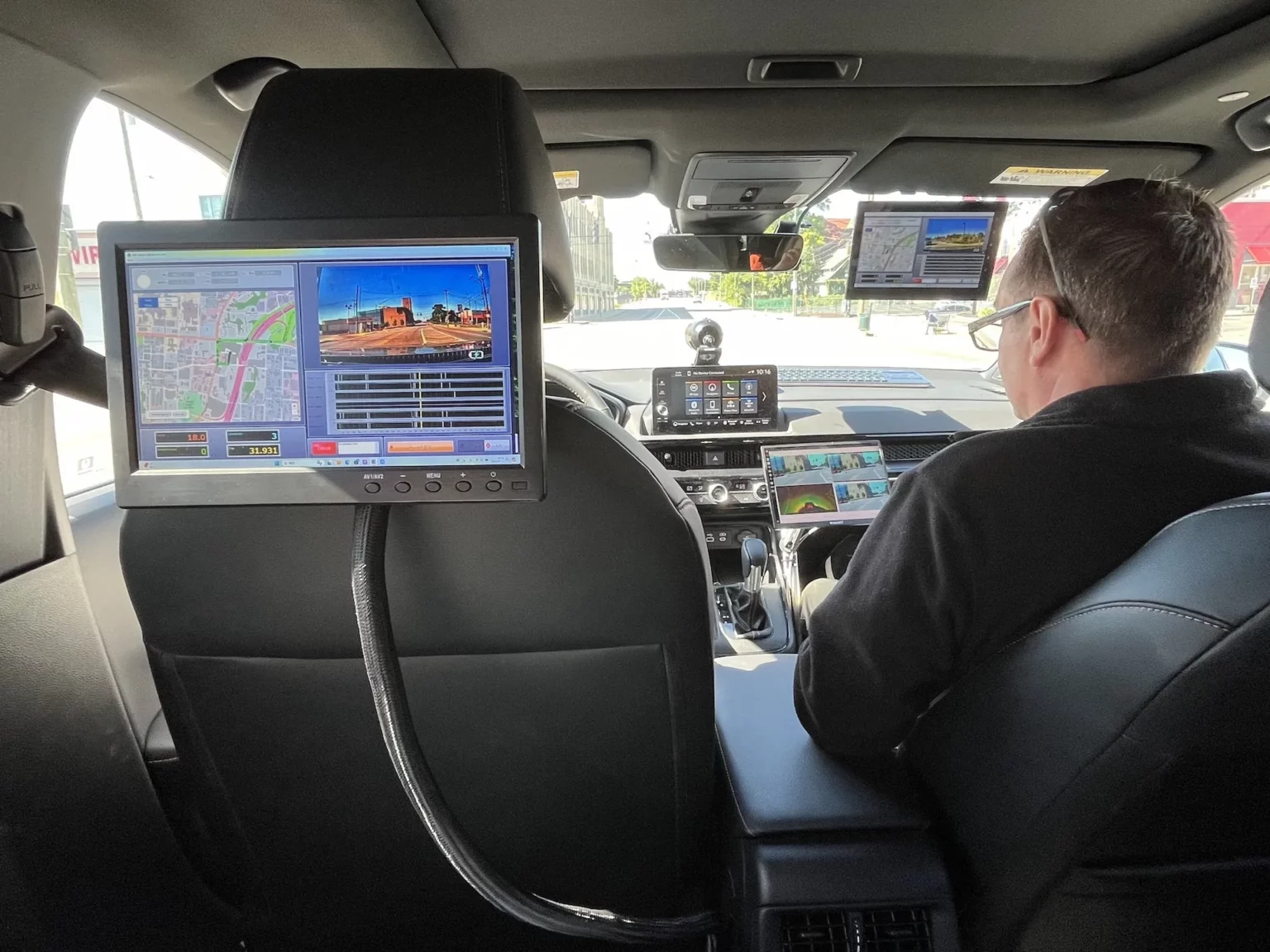
Honda led system development in collaboration with i-Probe, Parsons Corporation, and the University of Cincinnati. Test vehicles equipped with advanced vision systems and LiDAR sensors operated under varied road, weather and lighting conditions.


The system uses edge-based artificial intelligence to process vehicle sensor data in real time, transmitting identified road deficiencies to a cloud platform for analysis. Findings are then integrated into Parsons’ iNET Asset Guardian system, where automated work orders can be generated and prioritised based on severity and location.
See also: Honda, Princeton NuEnergy Sign Battery Recycling Pact After Joint Cathode Tests
Beyond signs, guardrails and potholes, the pilot demonstrated the ability to detect shoulder drop-offs, insufficient lane striping and overall road roughness. ODOT operators reviewed flagged issues through web dashboards and could provide feedback on misdetections, creating an AI learning loop that improved accuracy over time.
The partners estimated that large-scale deployment could save ODOT more than $4.5 million annually by reducing manual inspection time, improving maintenance scheduling and preventing costly deferred repairs. The approach could also enhance worker safety by limiting the need for roadside inspections in live traffic.
See also: American Honda 2025 Sales Lifted by Record Electrified and Hybrid Vehicle Demand
“This pilot of the Honda Proactive Roadway Maintenance System empowers drivers to play an active role in creating safer roadways and communities while helping agencies like ODOT improve maintenance operations,” said Sue Bai, chief engineer for sustainability and business development at American Honda Motor Co.
Honda said it is now exploring ways to scale the technology beyond the pilot, including enabling anonymised, crowd-sourced data from consumer vehicles. Such an approach would allow everyday drivers to contribute road condition data automatically, expanding coverage without dedicated inspection fleets.
See also: LG Energy Solution to Sell Ohio Battery Plant Assets to Honda in $2.86 Billion Deal
The initiative aligns with Honda’s long-term safety strategy, which targets zero traffic collision fatalities involving Honda vehicles by 2050. The company said it has deployed Honda Sensing driver-assistance technology in more than 10 million vehicles on U.S. roads.


