
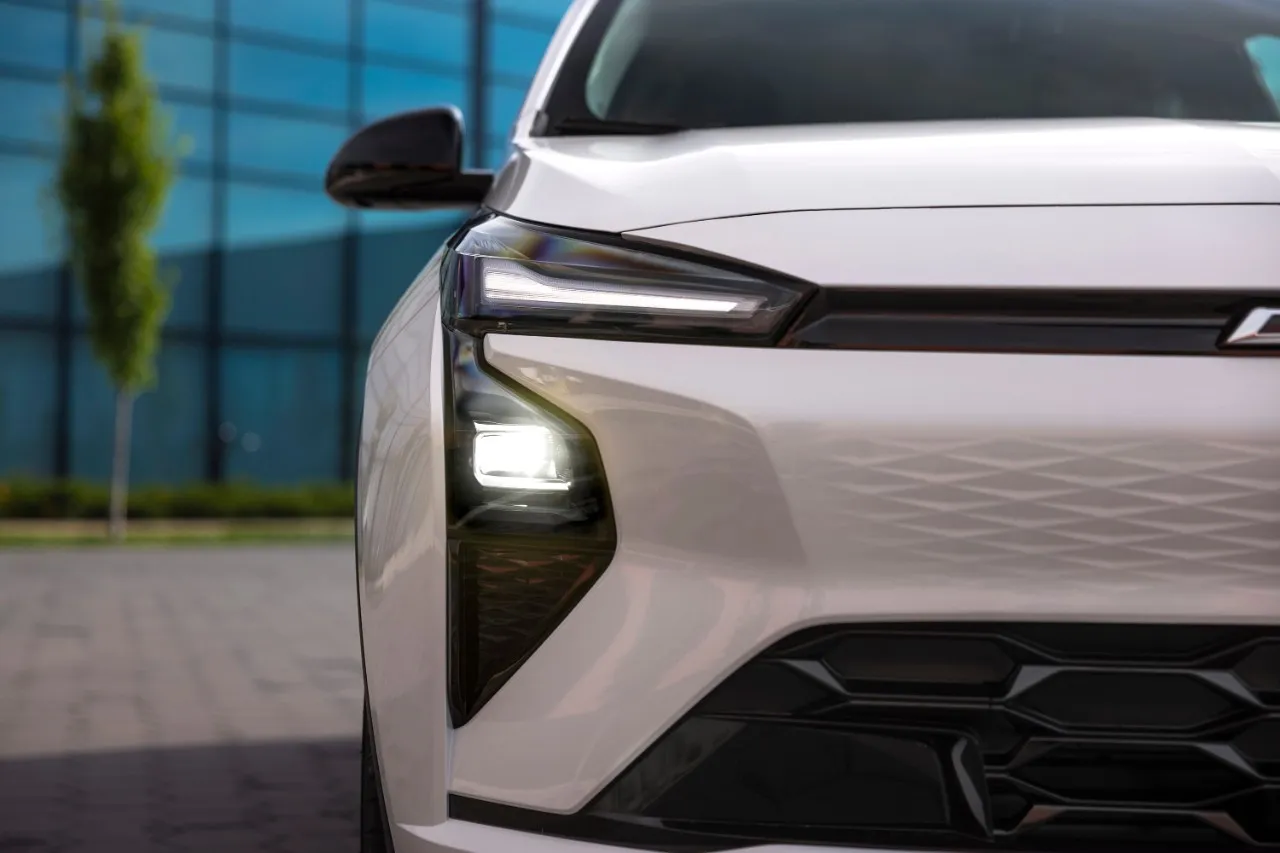
General Motors will temporarily import low-cost lithium iron phosphate (LFP) batteries from China’s CATL for its upcoming Chevy Bolt EV, as the U.S. automaker prepares to relaunch its most affordable electric vehicle later this year, according to people familiar with the matter.
The new Bolt EV, which will be assembled at GM’s Fairfax plant in Kansas, marks the company’s first Ultium-based vehicle in North America to utilize LFP battery chemistry. Initially, GM had intended to produce these batteries domestically, but supply chain constraints and cost considerations have led to a short-term shift in strategy.
See also: GM Teases 2026 Chevrolet Bolt Revival With Updated Design and NACS Plug
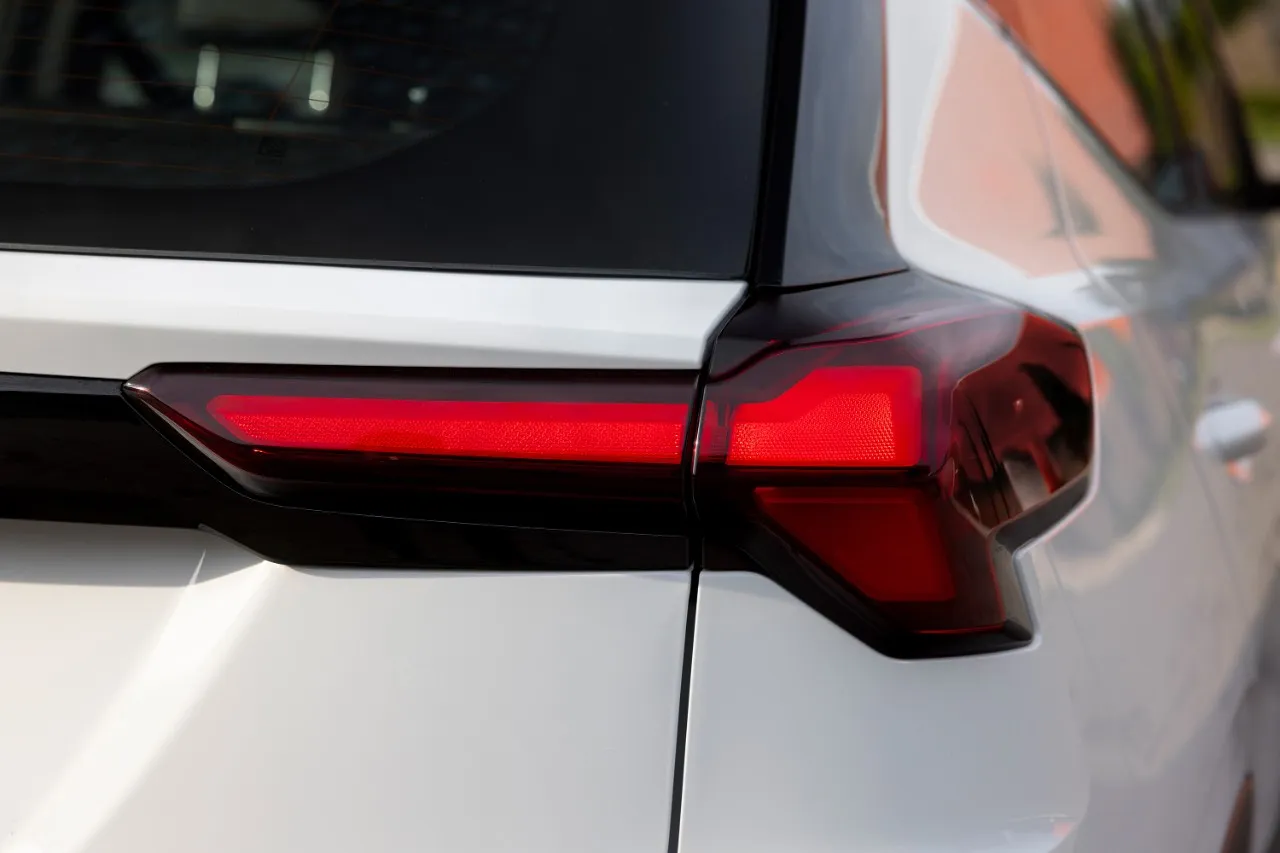
“To stay competitive, GM will temporarily source these packs from similar suppliers to power our most affordable EV model,” a GM spokesperson said. The company noted that other U.S. automakers have also relied on foreign suppliers for LFP battery technology in recent years.
A report by The Wall Street Journal revealed that GM will depend on CATL batteries for the next two years, until its joint venture with LG Energy Solution begins producing low-cost battery cells in 2027.
The decision comes amid ongoing trade tensions between the U.S. and China, including higher tariffs on EV-related imports. Despite this, analysts believe GM’s approach could still prove economically viable. “The new Bolt with Chinese batteries may still be marginally profitable or ‘close enough,’” said Sam Abuelsamid of Telemetry. “It may be that the economics work for GM to do this on a temporary basis.”
See also: Video Shows Camouflaged Chevy Bolt EV, Hinting at Upcoming Reveal
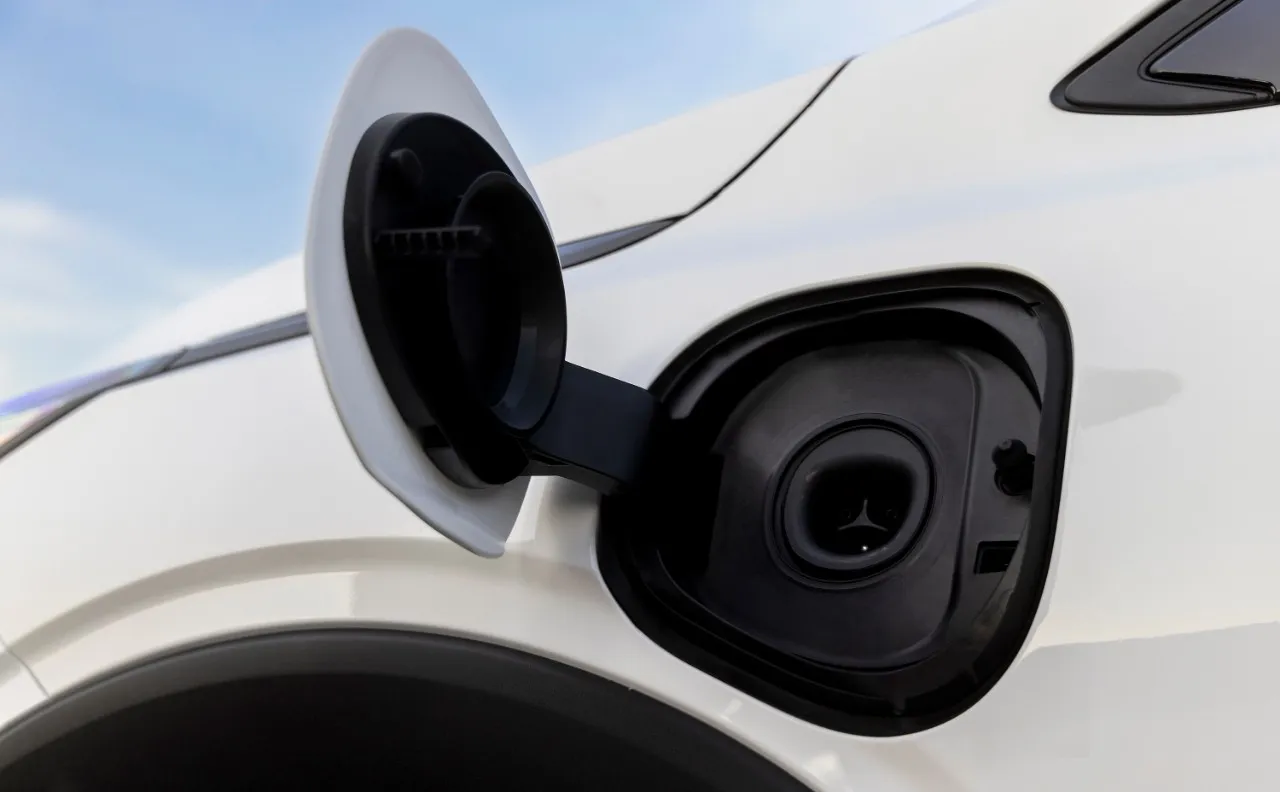
GM CEO Mary Barra has promised “substantial improvements” for the new Bolt, including extended range, faster charging, and a refreshed design. Although full specifications have not been disclosed, the vehicle is expected to start at around $30,000 with an estimated range of 300 miles. It will also include a NACS charging port, enabling access to Tesla’s Supercharger network.
Production of the new Bolt EV is slated to begin later this year, with U.S. deliveries expected in 2026.