
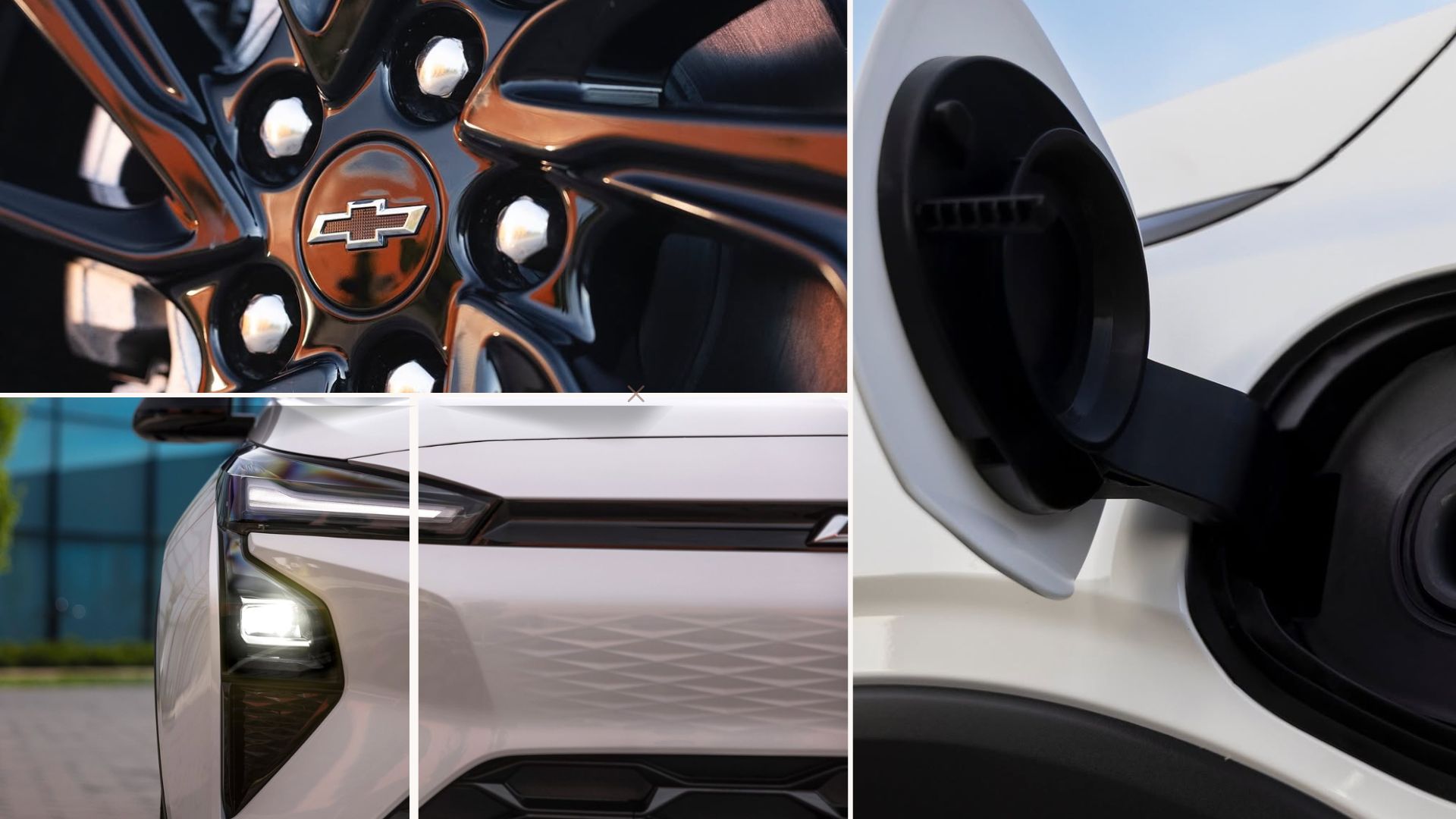
General Motors has offered the first glimpse of its upcoming Chevrolet Bolt, set to return in 2026 after the compact electric vehicle was discontinued last year. The company revealed design images and new specifications in a social media post, signaling its intent to reestablish the Bolt as a key player in the affordable EV segment.
The updated model features a revised front end, redesigned taillights, and adoption of the North American Charging Standard (NACS) plug developed by Tesla—an industry shift now embraced by multiple automakers, including GM’s upcoming Cadillac EVs. “You asked, we listened,” the company stated in its Instagram announcement.
While the Bolt’s return was confirmed earlier, this marks the first time the automaker has publicly shared visual cues and specific details. The new version will be offered exclusively in the larger EUV (electric utility vehicle) form, signaling the end of the smaller hatchback variant. Despite the size increase, GM is positioning the new Bolt as a cost-conscious option amid concerns over rising EV prices following the expiration of federal tax credits in September.
View this post on Instagram
The 2026 Bolt will incorporate General Motors’ latest battery and software technologies, including a lithium-iron-phosphate (LFP) battery pack. This system is already in use in newer GM EVs like the Equinox EV and Cadillac Lyriq. The automaker said the redesigned Bolt will not be a clean-sheet development but will feature significant safety and performance enhancements.
While official pricing has yet to be announced, the new Bolt is expected to fall below $30,000, making it one of the more affordable EV options in the U.S. market. GM anticipates the new battery configuration will also allow the company to profit from the vehicle, unlike its predecessor.
Production of the next-generation Bolt will begin later this year at GM’s Fairfax Assembly plant in Kansas City, Kansas. The move is part of a broader $4 billion investment in U.S. manufacturing aimed at supporting both electric and internal combustion vehicle production.