




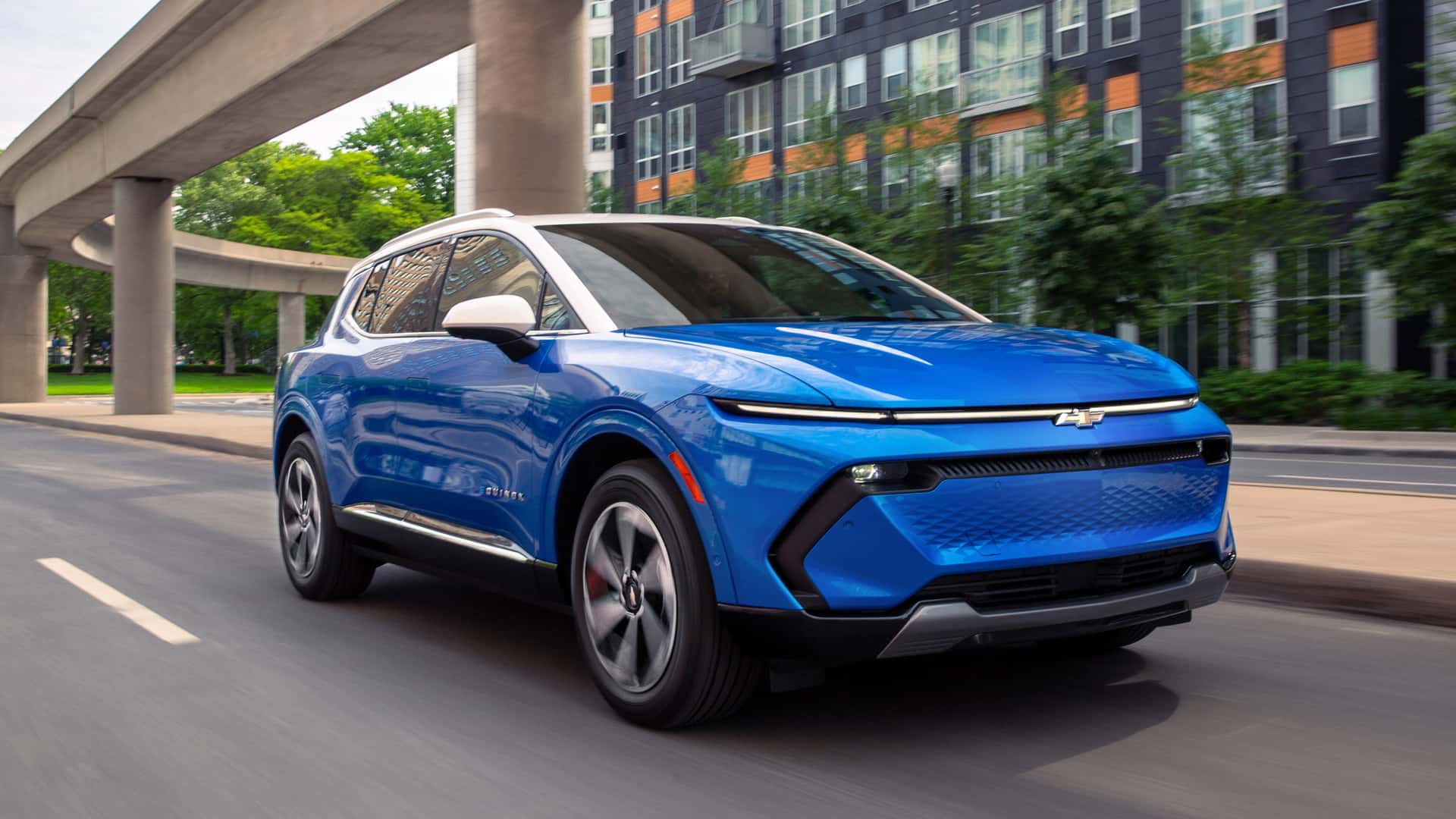
General Motors is recalling more than 80,000 Chevrolet Equinox EVs in the United States after determining that the vehicles do not emit sufficient pedestrian warning sounds at low speeds, a requirement under U.S. safety regulations, the automaker said.
The recall covers 81,177 units of the Equinox EV after National Highway Traffic Safety Administration determined that the electric crossover’s pedestrian alert system was improperly calibrated during production. Federal rules require electric vehicles to generate an audible warning below 6.2 miles per hour (10 km/h) to alert pedestrians in environments such as parking lots and residential areas.
See also: GM Recalls Nearly 23,000 Chevy Equinox EV and Cadillac Optiq Models Over Tire Separation Risk
According to General Motors, the issue affects 59,537 vehicles from the 2025 model year built between July 22, 2024, and Aug. 12, 2025, as well as 21,640 vehicles from the 2026 model year produced between April 7 and Dec. 16, 2025. All of the affected vehicles were assembled at the company’s Ramos Arizpe plant in Mexico. NHTSA said a vehicle that cannot be adequately heard poses an increased risk to pedestrian safety.
GM said it opened an internal investigation in November after an engineer raised concerns through the company’s Speak Up For Safety program while testing a 2025 model. “The pedestrian alert sound does not meet the minimum sound requirements at certain low speeds,” the automaker said in a filing with regulators.
See also: GM Recalls Over 23,000 2024 Chevy Equinox EVs in U.S. Over Pedestrian Alert Sound Issue
The issue marks the second recall related to pedestrian warning sounds for the Equinox EV. In September last year, GM recalled about 23,700 units from the 2024 model year for a similar problem, although those vehicles used a different system calibration.
GM said it will correct the issue through an over-the-air software update to recalibrate the body control module, with dealership service available if needed. Owner notification letters are expected to be sent beginning Feb. 2.