




General Motors (GM) remains on track to introduce a next-generation driving system designed to allow drivers to take their hands off the steering wheel and their eyes off the road under certain conditions by 2028, CEO Mary Barra told CNBC on Monday.
GM announced in October 2025 that the technology would debut in the all-electric Cadillac Escalade IQ in 2028 before expanding to other models. The planned system would extend beyond the capabilities of the company’s existing Super Cruise driver-assistance technology, which permits hands-free driving on supported roads but requires drivers to remain attentive.
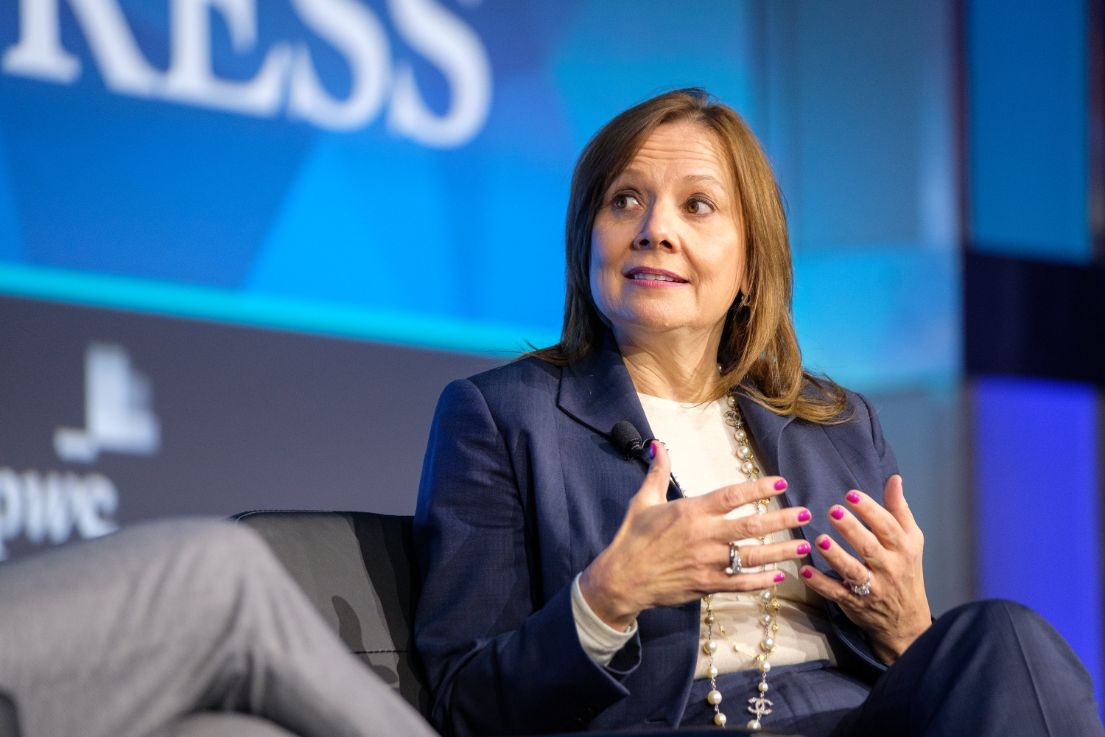
Speaking to CNBC’s Jim Cramer on Mad Money, Barra said she had recently tested the new system and observed progress since an earlier test in March.
They’re making so much progress on our goal to have eyes off, hands off in the ’28 time frame.
Barra added that GM expected to be positioned to expand its personal autonomous driving technology as development continues.
When people want to drive, they can. When they don’t, they won’t need to as that grows.
Cadillac Escalade IQ to Lead Rollout
The electric Cadillac Escalade IQ is scheduled to be the first model to receive the technology. GM has not provided detailed technical specifications, operating limitations or a comprehensive list of conditions under which drivers would be permitted to look away from the road.
The planned system represents a change from Super Cruise, which enables hands-free operation in certain driving situations while requiring the driver to monitor the road. The new technology is intended to support both hands-off and eyes-off driving under defined conditions.
The 2028 target remains a development milestone rather than confirmation that the system will be available across GM’s entire vehicle lineup by that date.
Shift From Robotaxis to Personal Vehicles
GM’s development plans follow its decision in December 2024 to discontinue its Cruise robotaxi business after investing more than $10 billion in the operation.
The automaker subsequently redirected its focus toward autonomous driving technology for privately owned vehicles rather than operating a dedicated driverless ride-hailing service.
Barra described the company’s approach as centred on personal mobility.
We’re not in the taxi business. We’re not in the bus business.
She acknowledged that ending the Cruise robotaxi programme was a difficult decision but said GM retained much of the team’s expertise for work on personal autonomous driving.
It was a tough decision, but I think it was the right decision.
GM’s View on Personal Vehicle Ownership
Barra also addressed the possibility that autonomous vehicles and ride-hailing services could reduce demand for privately owned cars.
She compared current expectations for autonomous driving with earlier predictions that services such as Uber and Lyft would substantially reduce vehicle sales. According to Barra, personal vehicle ownership continues to appeal to consumers who value having a car available when they need it.
people still value that it’s in my driveway. I can go wherever I want, whenever I want.
GM’s planned 2028 launch will test how its personal autonomous driving strategy translates into a consumer vehicle. The system’s eventual capabilities, availability and operating conditions will depend on further development and validation.


