
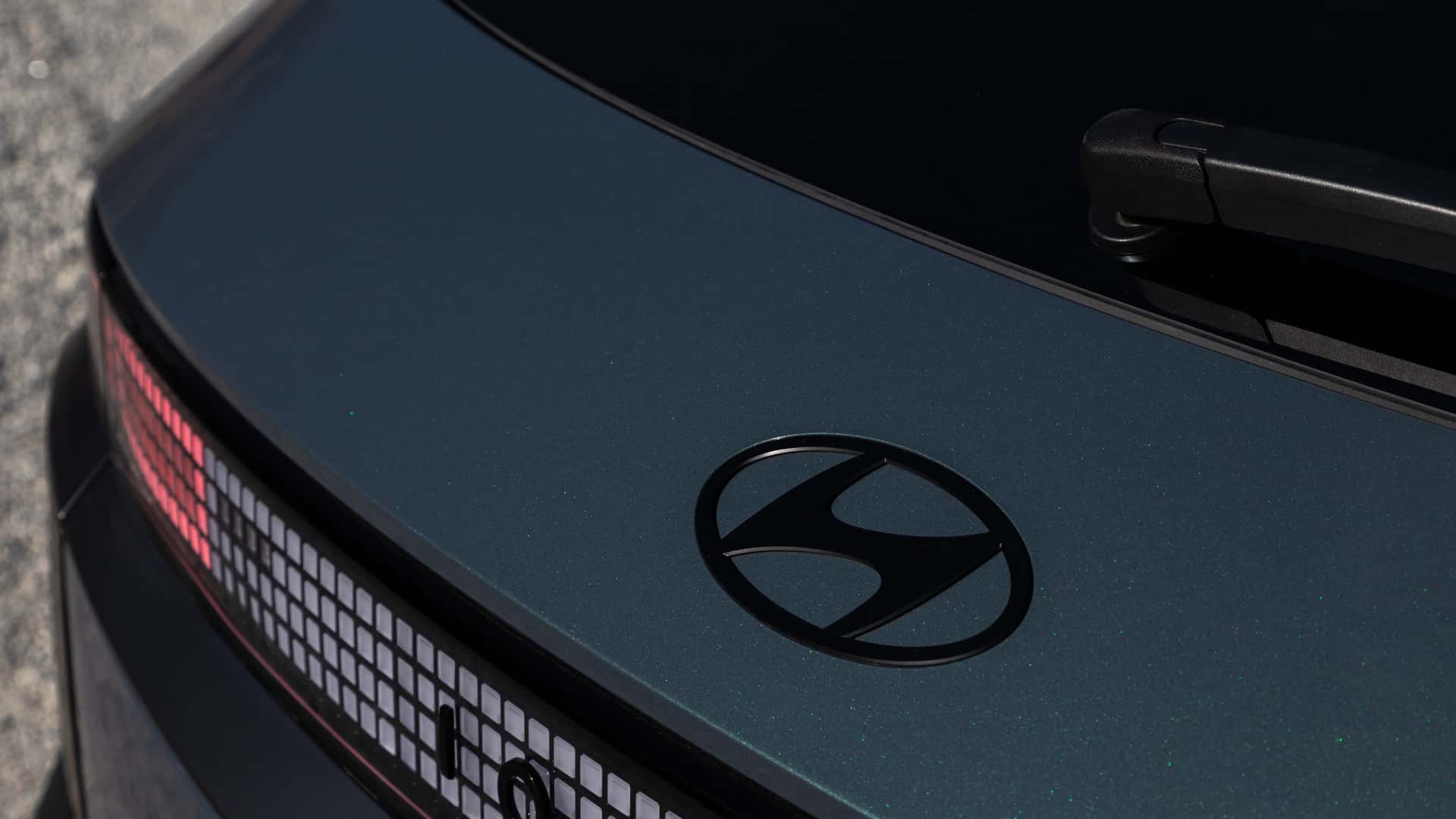
General Motors and Hyundai Motor on Wednesday announced a new partnership to co-develop five vehicles, including compact and mid-size models, as the two automakers seek to reduce costs and compete more effectively against low-cost Chinese rivals, particularly in Latin America.
The collaboration includes four models—a compact SUV, a car, a pickup, and a mid-size pickup—set to launch in Central and South America in 2028. These vehicles will support both internal combustion and hybrid powertrains, though the companies did not disclose manufacturing locations. At full production, the partnership is expected to yield at least 800,000 vehicles annually.
In addition to their Latin American focus, GM and Hyundai will co-develop an electric commercial van for the U.S. market, with production targeted to begin as early as 2028. The move marks Hyundai’s first major international partnership for vehicle development and comes as GM shifts its collaboration strategy, having wound down several joint projects with Honda in recent years.
“The partnership itself is a win-win strategy, since GM can learn the hybrid technology from Hyundai while Hyundai can use the relationship with GM as leverage for trade negotiations with the United States,” said Teddi Kim, head of auto research firm Mirae-Mobility Research & Services.
The agreement comes amid intensifying pressure from Chinese automakers, whose rapid deployment of affordable, high-tech vehicles has disrupted global markets. Legacy manufacturers like GM and Hyundai are increasingly looking to joint ventures as a way to share development expenses and accelerate product rollouts, especially in the electric vehicle space.
Despite the strategic nature of the collaboration, some analysts remain cautious about its potential. An Hyung-jin, chief investment officer at Seoul-based Billionfold Asset Management, noted that even with new models, competing against Chinese manufacturers on price in South America could prove difficult. He also pointed out that while Hyundai may gain valuable insights into pickup truck manufacturing, financial gains may take time to materialize.
The announcement follows a wave of cross-border partnerships involving South Korean firms and U.S. companies. Last week, the two countries finalized a trade agreement that imposes a 15% tariff on U.S. imports from South Korea, including automobiles. Recent deals have also seen Samsung Electronics and LG Energy Solution expand their relationships with U.S. tech and EV firms such as Tesla and Apple.
For both GM and Hyundai, the new collaboration reflects a broader industry shift toward consolidation, cost-efficiency, and strategic alignment in an increasingly competitive global automotive landscape.