
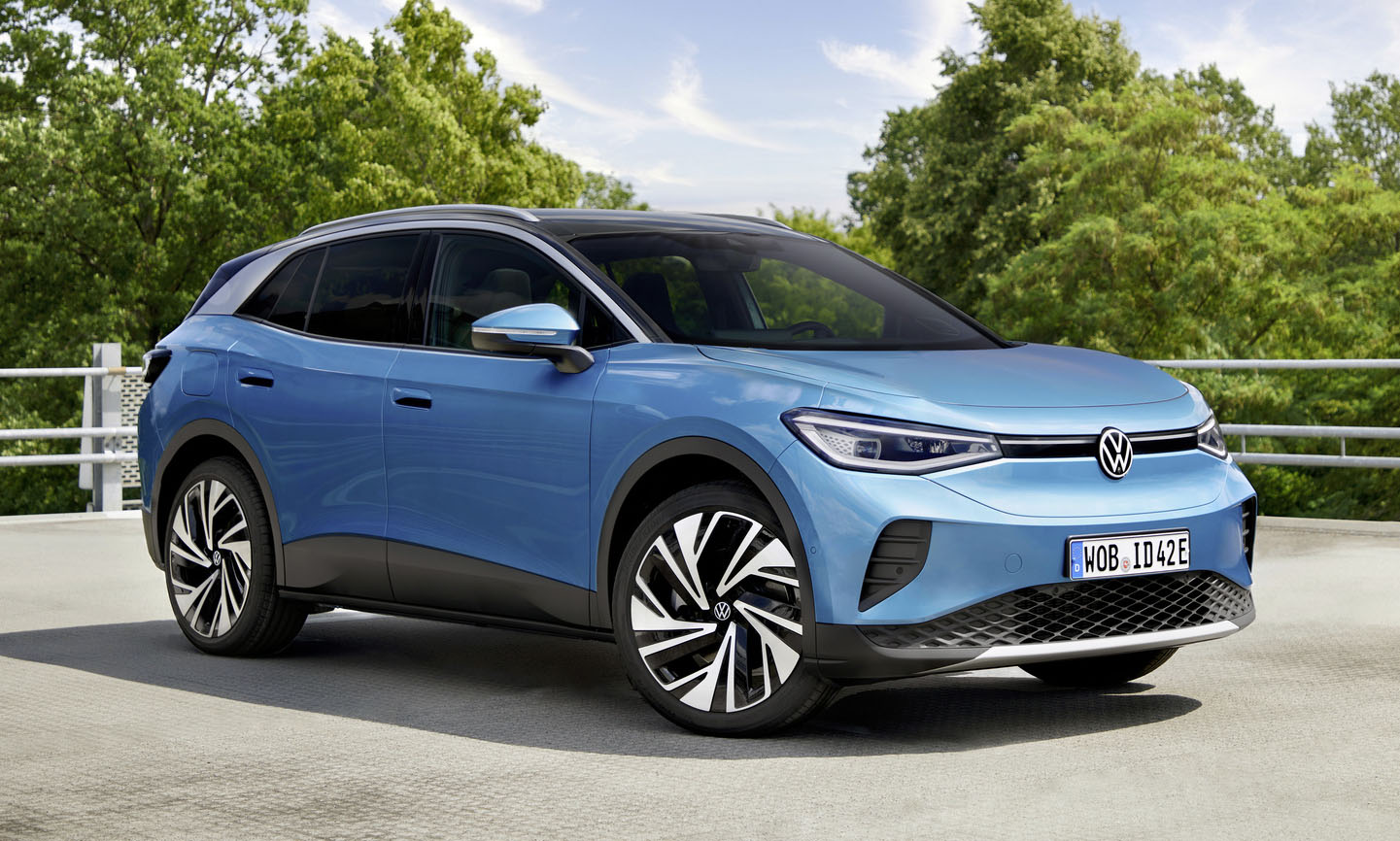
Germany’s federal government has yet to reach an agreement on a new subsidy programme aimed at helping low- and middle-income households switch to electric vehicles, despite widespread media reports suggesting that concrete figures and criteria had already been decided.
Recent reports claimed that buyers could receive up to €4,000 in incentives for an electric car if both the vehicle price and household income fell below certain limits. However, the Federal Ministry for the Environment clarified that no official decisions have been made. “We cannot confirm the circulating figures on potential subsidy amounts or the concrete design of the new support programme,” a ministry spokesperson told the Süddeutsche Zeitung (SZ).
See also: Hamburg Votes to Accelerate Climate Neutrality to 2040, Paving Way for Combustion Engine Phase-Out
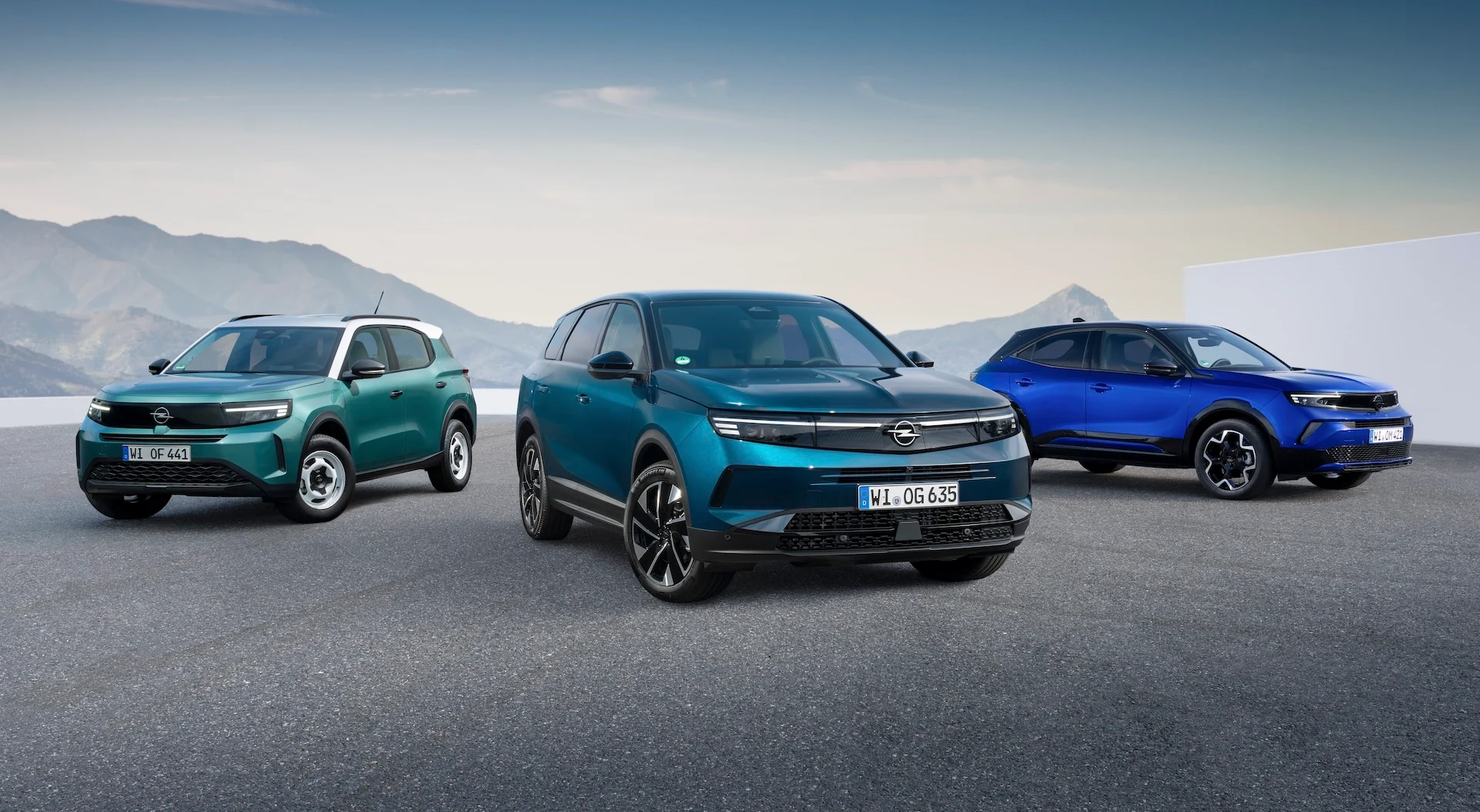
The SPD parliamentary group has put forward its own position paper outlining a proposed framework for the subsidy. The document, authored by transport policy spokesperson Isabel Cademartori, environmental policy spokesperson Jakob Blankenburg, and economic policy spokesperson Sebastian Roloff, reportedly represents a broad consensus within the party.
According to the proposal, a purchase bonus of €3,000 from the federal government would be available between 2026 and 2029, matched by an equivalent contribution from vehicle manufacturers or dealers. The incentive would apply to both new and used electric cars, with the manufacturer responsible for new vehicles and dealers for used ones. Dealers would also be required to provide a free battery check when selling used EVs to boost consumer confidence.
See also: Germany to Include Used Electric Cars in New 2026 EV Subsidy
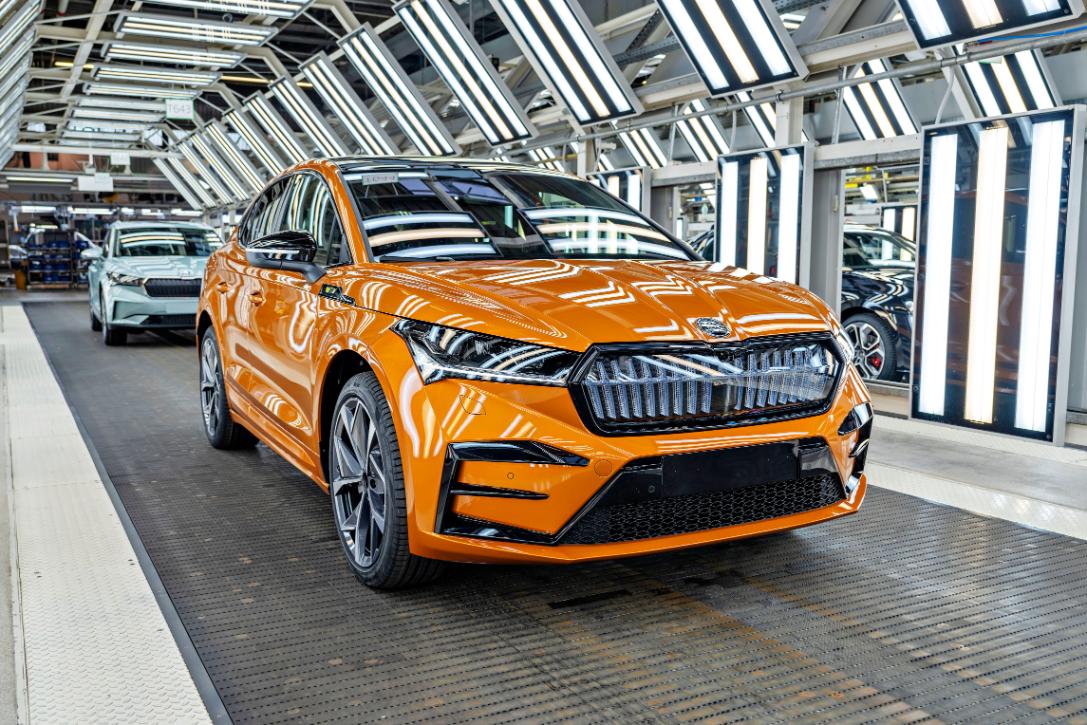
Only vehicles priced at €45,000 or below, produced within Europe, and meeting a defined environmental performance score would qualify for the subsidies. The proposed eligibility would extend to individuals with low to middle incomes, although no specific income thresholds have been defined.
In addition to the purchase bonus, the SPD group is also advocating a social leasing model for low-income households starting in 2027. The plan would offer “low leasing rates and a later purchase option” for qualifying vehicles that meet the environmental and production criteria.
See also: Merz Pushes Back Against 2035 EU Ban on Combustion Engines
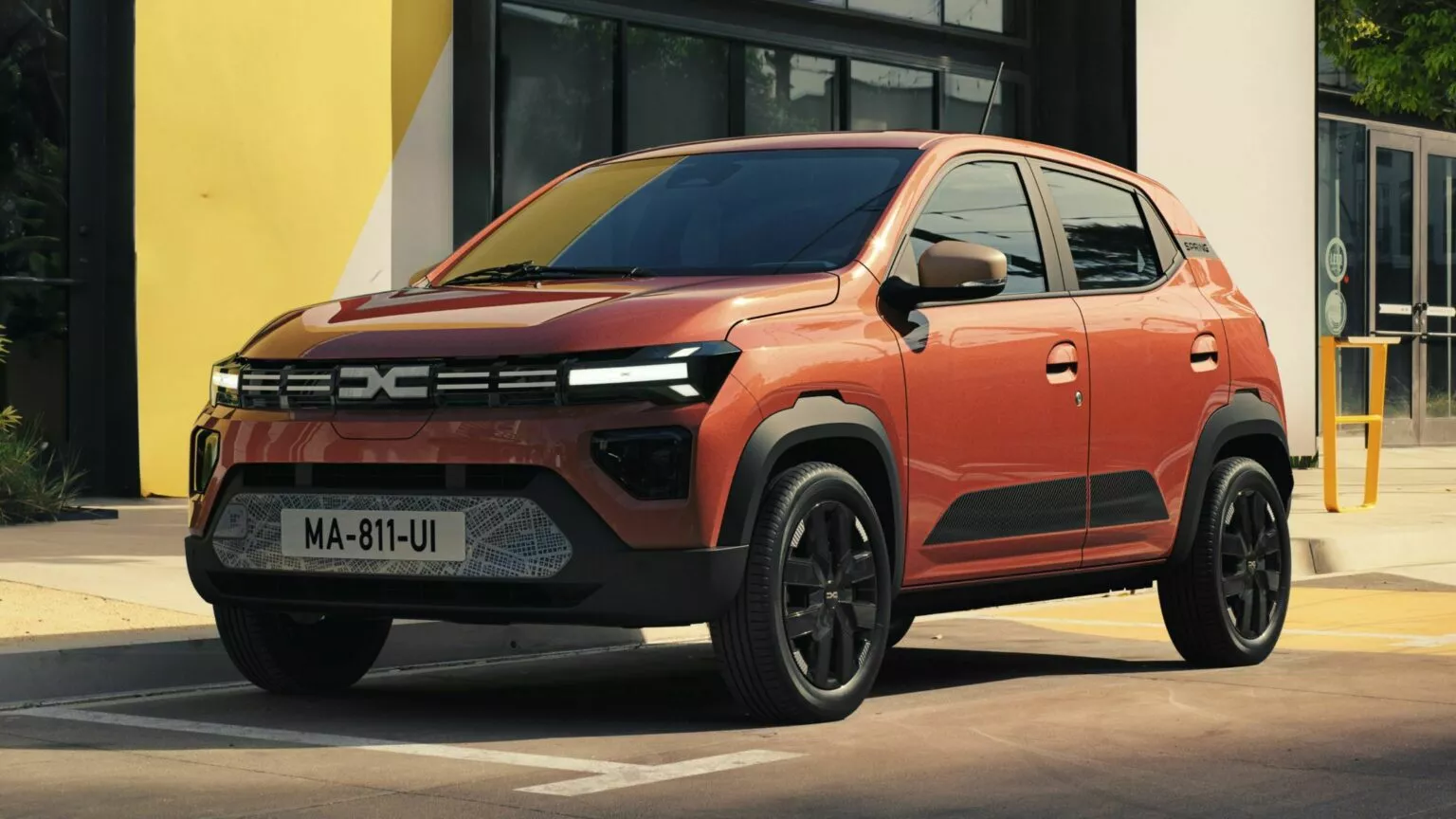
Funding for the scheme is expected to come from the federal Climate and Transformation Fund and the EU Social Fund, with an estimated budget of €3 billion. The SPD also proposed increasing taxes on company cars with combustion engines to raise additional revenue for the e-mobility transition.
“The company car sector is the largest vehicle segment for climate-neutral individual transport and will play a significant role in creating a used electric vehicle market,” the SPD paper stated, underscoring the party’s view that company fleets could drive broader EV adoption across Germany.