
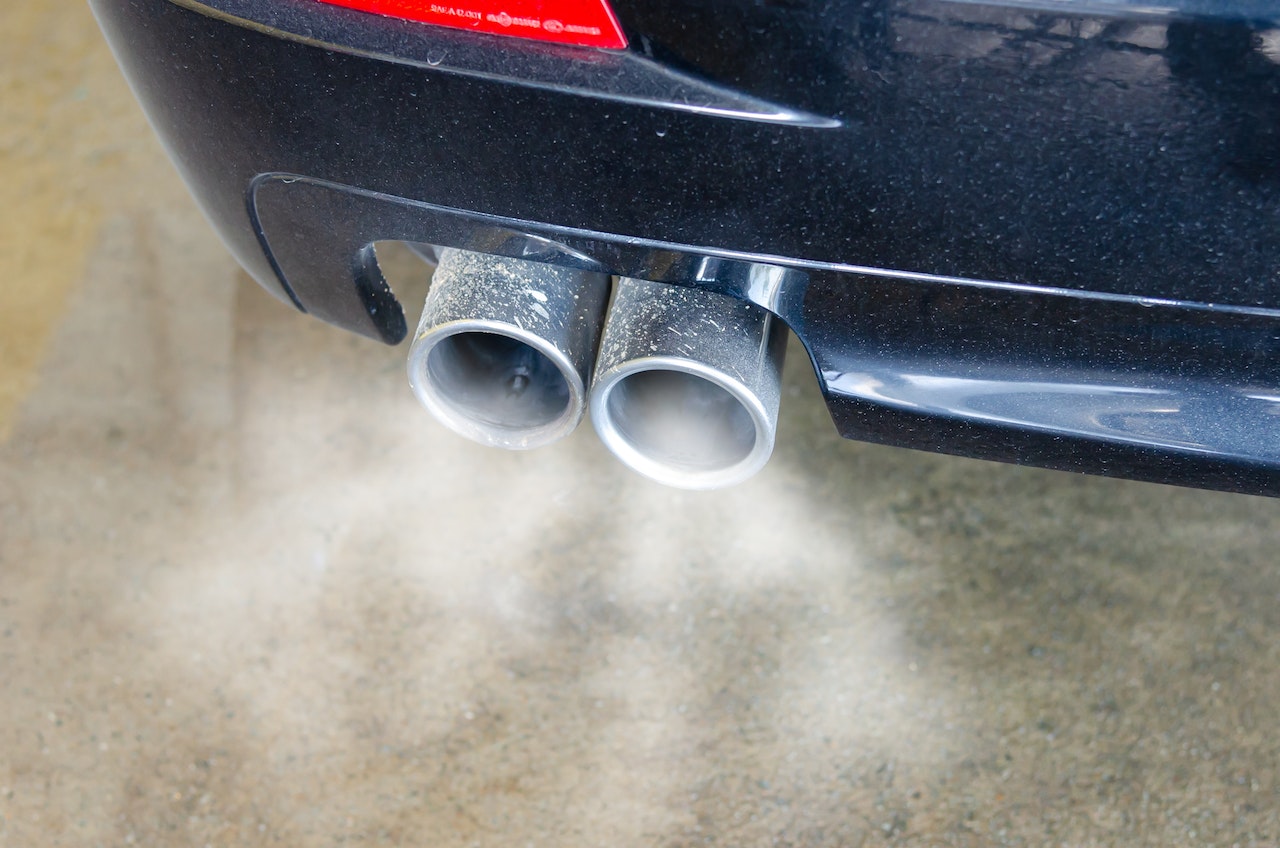
Germany and France are proposing that automakers reduce fleet CO₂ emissions by 90% by 2035, rather than meeting the currently planned 100% reduction target, according to excerpts from a preliminary agreement paper reported by German media. Under the proposal, manufacturers would not be required to offset the remaining 10% of emissions.
The initiative also calls for stronger “Made in Europe” requirements, linking public funding more closely to automotive production and value creation within Europe. The proposals are intended to form the basis of negotiations at EU level over the bloc’s automotive policy package.
The reported agreement reflects a compromise between German Chancellor Friedrich Merz and French President Emmanuel Macron, who have held differing positions on emissions regulation and industrial policy.
Proposed Changes to Fleet Emissions Targets
According to the preliminary agreement paper cited by Spiegel, Germany and France support a 90% reduction in fleet CO₂ emissions by 2035, with the remaining 10 percentage points exempt from mandatory compensation.
The distinction is significant because the proposal would retain the 90% reduction level outlined by the European Commission in its earlier proposal while removing the requirement to offset residual emissions. It therefore differs from interpretations that Germany and France were seeking an additional 10-percentage-point reduction beyond the Commission’s proposal.
The paper states:
In light of the significant technological, economic, and geopolitical changes since the establishment of the existing regulatory framework, the automotive package should strike a better balance between climate targets, industrial competitiveness, technological development, and strengthening European value creation.
It also addresses the role of renewable fuels in the existing vehicle fleet:
The increasing use of renewable fuels in the existing vehicle fleet would be taken into account. The share corresponding to ten percentage points of residual emissions would therefore not need to be offset by manufacturers.
The proposed changes remain subject to negotiations and would require action at EU level before becoming policy.
Germany and France Seek Compromise on Industrial Policy
The agreement would also involve a shift in Germany’s position on the EU’s proposed Industrial Accelerator Act (IAA), which includes measures intended to strengthen European industrial production.
France has reportedly become more willing to support a relaxation of the fleet emissions targets, while Germany is backing stronger European-content requirements than previously envisaged.
The preliminary paper proposes that public subsidies should primarily support car production in Europe. It describes the connection between funding and domestic industrial activity as a central element of the package.
A central element of the package should be a stronger link between public funding and European value creation.
The document does not specify how European value creation would be measured or which requirements would apply to manufacturers and their supply chains.
Environmental Groups and MEP Raise Concerns
The proposal has drawn criticism from environmental advocates and members of the European Parliament, who argue that relaxing emissions requirements could slow the transition to electric vehicles and make transport-sector climate targets more difficult to achieve.
Susanne Goetz, an officer at Transport and Environment (T&E), criticised the reported compromise, saying:
Germany and France are making a historic mistake.
Goetz argued that Europe needs to reduce its dependence on crude oil imports and make electric cars more affordable. She also warned that the agreement would significantly slow electric vehicle sales.
Social Democratic Party (SPD) Member of the European Parliament Tiemo Wölken also expressed reservations about the draft in comments to Spiegel.
This draft is not sufficient.
Wölken argued that reducing CO₂ ambitions without compensation would make climate targets for the transport sector “unlikely to impossible”.
EU Negotiations Still Ahead
The preliminary agreement provides a framework for Germany and France to seek changes to the EU automotive package, combining a more flexible emissions target with stronger support for European manufacturing.
However, the reported document does not settle the detailed design of the proposed industrial requirements, and the changes have not yet been adopted as EU policy. The final outcome will depend on negotiations among EU institutions and member states over the balance between emissions reductions, automotive competitiveness and European industrial investment.