



A new German research initiative is seeking to overcome the barriers preventing the widespread adoption of fully electric construction sites by taking a holistic approach that integrates construction machinery, energy infrastructure, and digital planning tools.
The project, known as ForBat@Bau, is led by the Technical University of Munich (TUM) and aims to create a framework for economically viable, battery-electric construction operations. The three-year initiative has received approximately €1.9 million in funding from the Bavarian Transformation and Research Foundation.
Moving Beyond Individual Machines
While battery-electric construction equipment has become increasingly available, fully electrified construction sites remain rare. According to the researchers, the challenge extends far beyond simply replacing diesel-powered machinery with electric alternatives.
Issues such as limited power availability on construction sites, long charging times, inadequate grid connections, and the lack of coordination between equipment, energy storage systems, and construction processes continue to hinder large-scale deployment.
The project argues that a systemic approach is needed, particularly for complex construction projects and heavy-duty machinery classes where isolated equipment electrification may not deliver practical or economic results.
A Holistic Construction Site Model
ForBat@Bau aims to address these challenges by treating the construction site as an integrated energy and operational ecosystem.
The consortium plans to develop software-supported solutions that coordinate construction processes, electric machinery, battery storage systems, charging infrastructure, and grid connections within a single planning and operational framework.
Project leader Markus Lienkamp, professor and head of the Chair of Automotive Technology at TUM, said the initiative focuses on optimizing the entire construction site rather than individual pieces of equipment.
“We do not simply want to replace diesel engines in construction equipment. We view the construction site as a complete system, including construction processes, the connection to the power grid, and intermediate battery storage. By leveraging digitalization, we aim to make economically viable electric construction site operations possible in the future,” Lienkamp said.
Broad Industry and Academic Participation
The project brings together academic institutions, construction industry organizations, equipment manufacturers, construction companies, and energy infrastructure specialists.
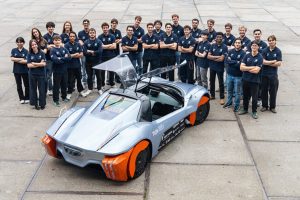
Academic partners include Technical University of Munich, University of Applied Sciences Landshut, and Ostbayerische Technische Hochschule Regensburg.
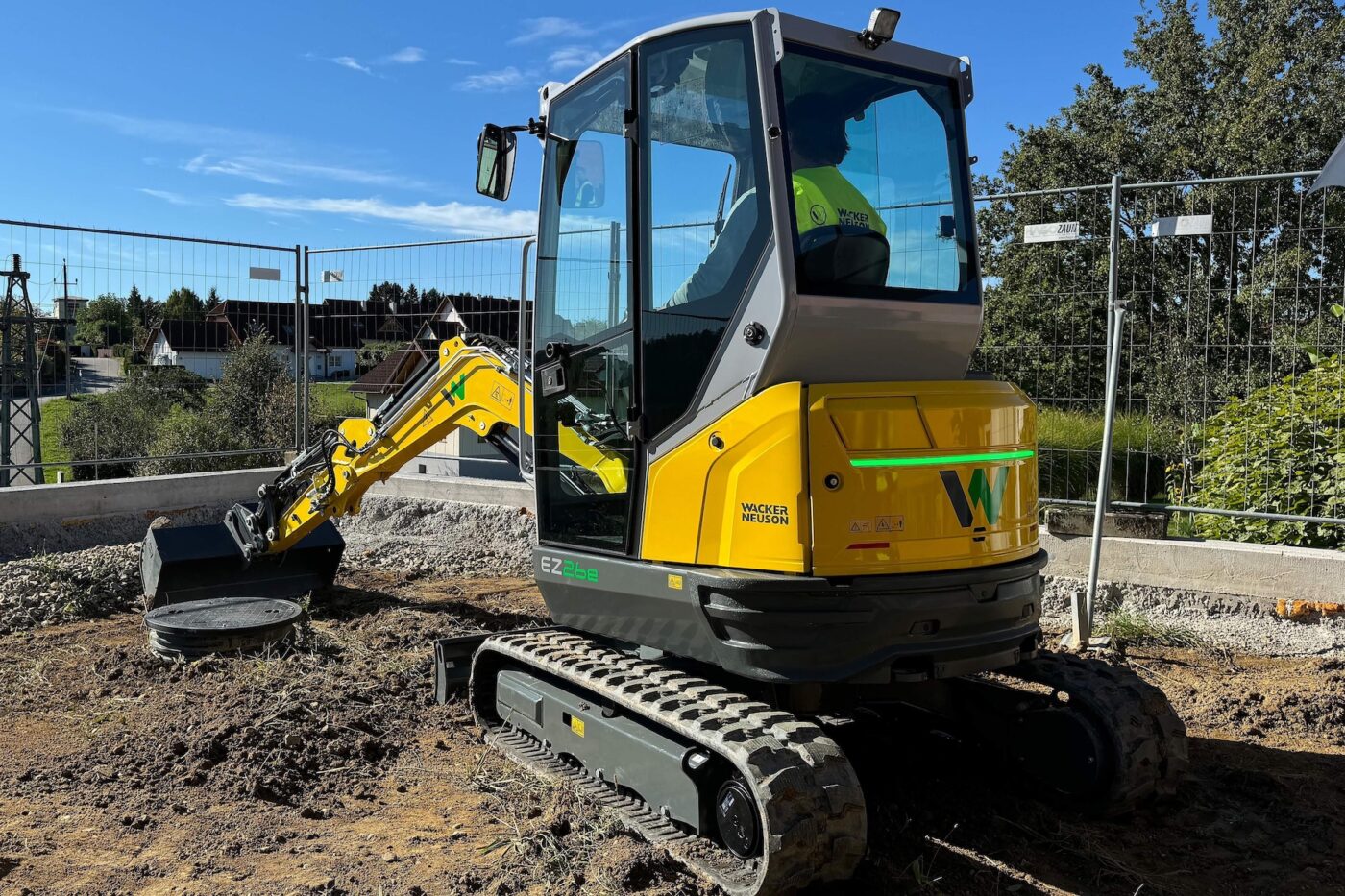
Industry participants include the Bavarian Construction Industry Association and Bavarian Construction Academy, alongside companies such as Liebherr, Wacker Neuson, Strabag, and Zeppelin Rental.
The consortium also includes distribution grid operators and specialists in measurement, simulation, and digital infrastructure.
Supporting Decarbonization of Construction
The construction sector remains heavily dependent on diesel-powered machinery, making it one of the more challenging industries to decarbonize.
By developing coordinated energy management and operational planning tools, the ForBat@Bau consortium hopes to demonstrate how fully electrified construction sites can become both technically feasible and economically competitive.
If successful, the project could provide a blueprint for reducing local emissions, improving energy efficiency, and accelerating the adoption of battery-electric machinery across construction projects in Germany and beyond.