
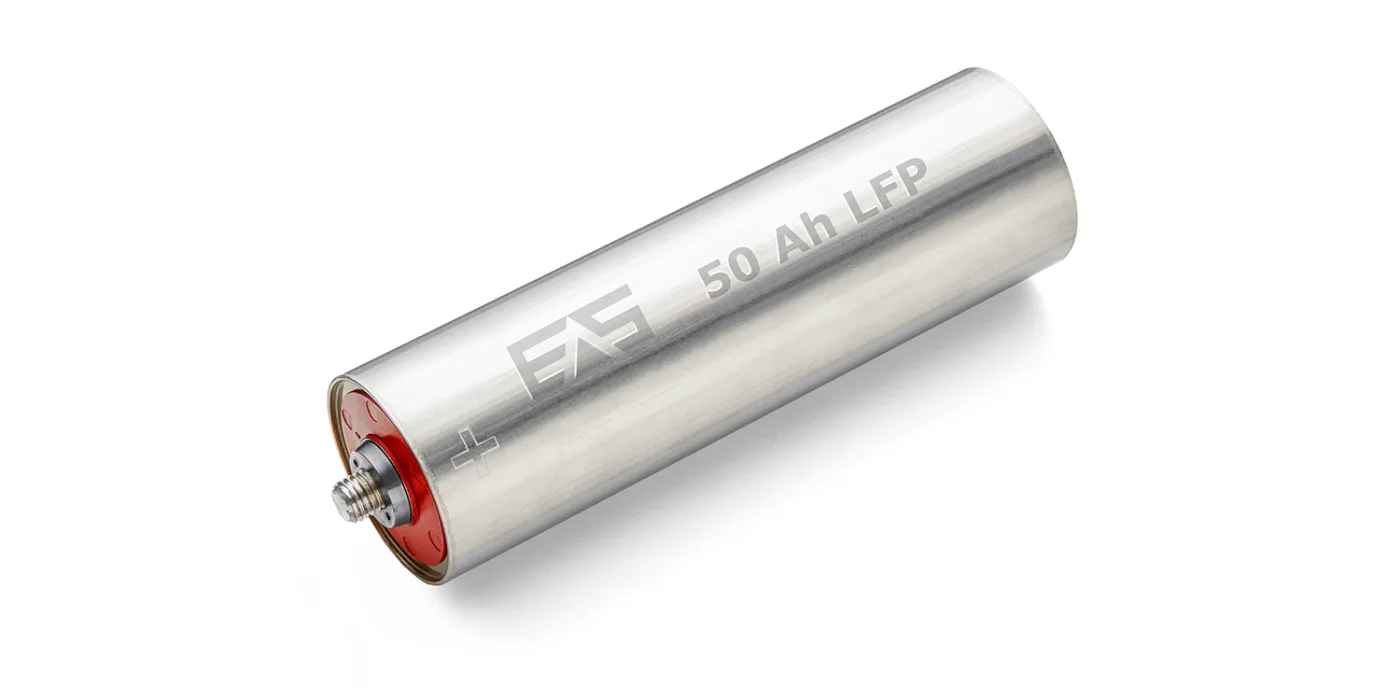
A German research consortium has launched the KiBa-Pro project to develop data-driven and artificial intelligence-based manufacturing processes for lithium iron phosphate (LFP) battery cells.
The initiative, which began in July 2026, is led by EAS Batteries and supported by €2.4 million in funding from the German federal government.
AI to Optimise Battery Production
KiBa-Pro brings together industrial and research partners to improve battery cell manufacturing by combining production data, advanced analytics and artificial intelligence.
The project aims to create a digital manufacturing framework capable of predicting how production parameters influence battery performance, helping manufacturers optimise processes before physical production begins.
Consortium Brings Together Industry and Research
EAS Batteries is coordinating the project and overseeing the digitalisation of battery cell production.
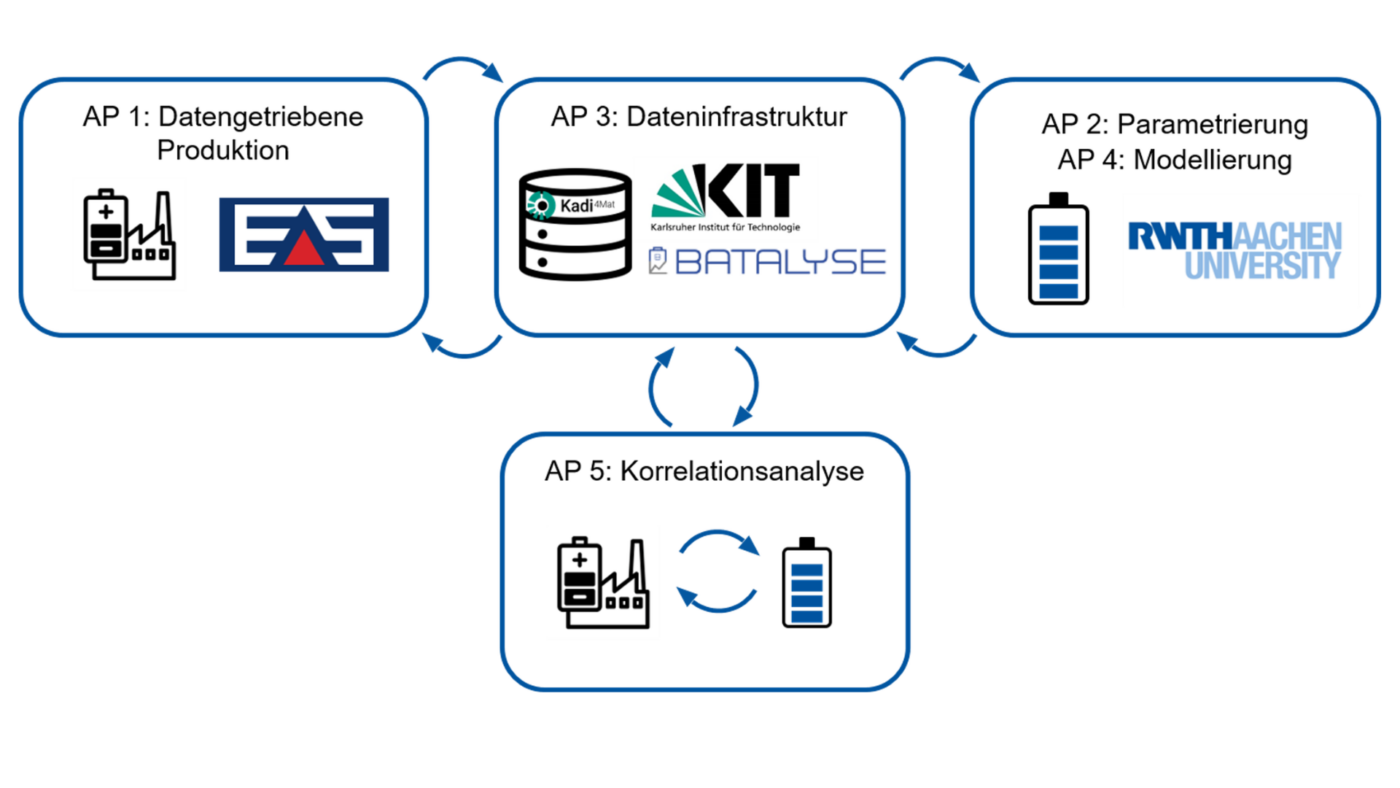
RWTH Aachen is responsible for battery cell characterisation and the development of artificial intelligence models, while the Karlsruhe Institute of Technology (KIT) and Batalyse will focus on research data management, automated analysis of measurement data and the development of a digital product passport at cell level.
Automation company Omron is participating as an associated partner, contributing industrial automation and data acquisition technologies.
Building a Digital Battery Cell
The first phase of the project involves fully digitalising EAS Batteries’ production line by installing additional sensors and modern data interfaces.
Production, material and quality information will be collected throughout the manufacturing process and integrated into a central data platform.
Using these datasets, the consortium plans to develop a virtual LFP battery cell capable of simulating manufacturing outcomes.
Artificial intelligence models will analyse relationships between production variables—including layer thickness, porosity, material throughput and temperature profiles—and the resulting battery characteristics.
The virtual model is intended to predict impacts on battery capacity, performance and service life before production trials are carried out.
Supporting Future Manufacturing
According to the project partners, virtual process optimisation could reduce development time, minimise production scrap, shorten optimisation cycles and identify manufacturing issues earlier in the development process.
The initiative is also intended to support future regulatory and traceability requirements, including implementation of the digital product passport for battery cells.
The consortium plans to gradually introduce the technologies and methodologies developed through KiBa-Pro into industrial battery production as the project progresses.