





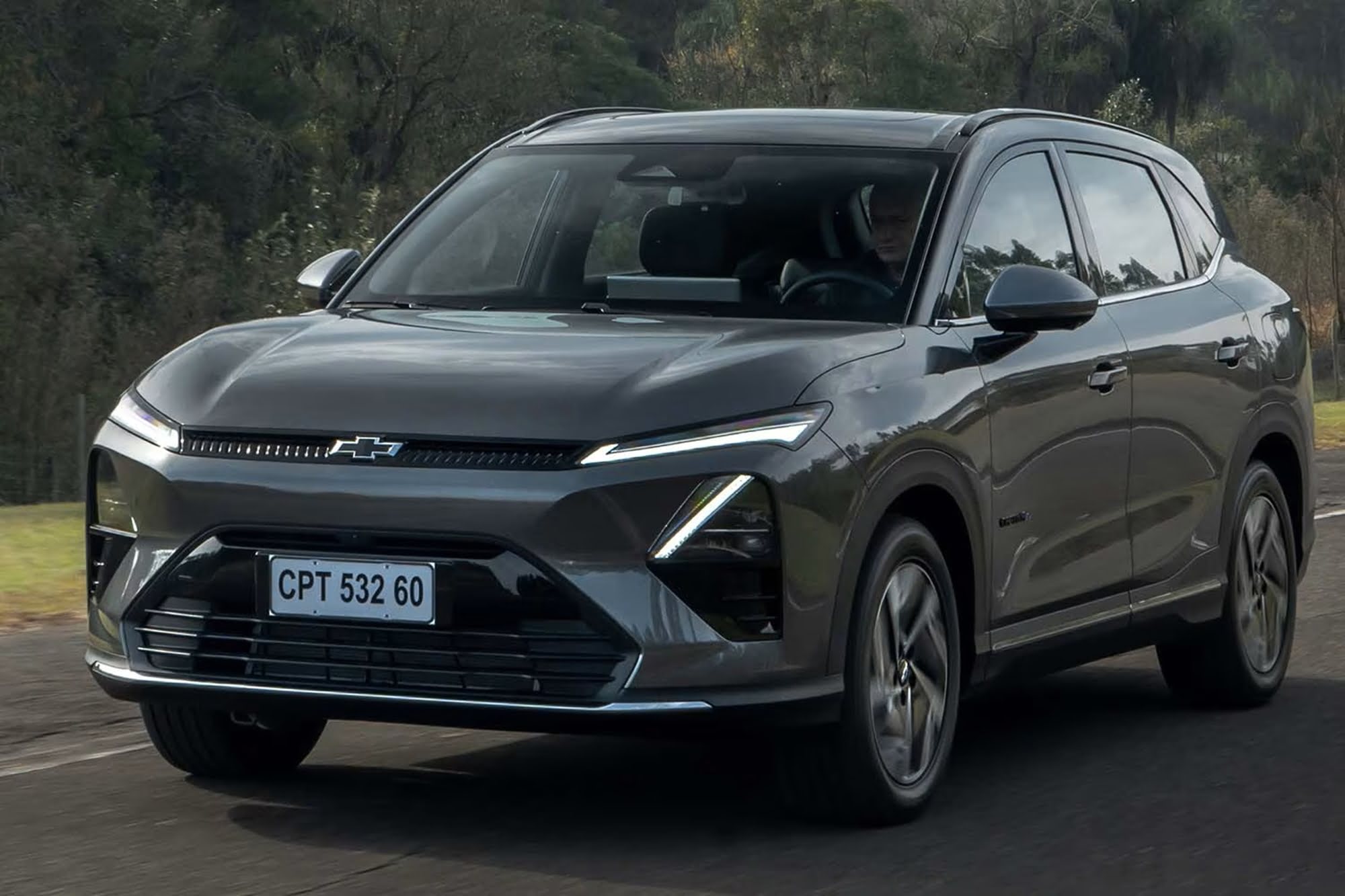
General Motors has officially launched the 2026 Chevy Captiva EV in Ecuador, marking the latest step in the electric crossover’s planned expansion across South America.
The Captiva EV becomes Chevrolet’s fourth all-electric utility vehicle available in Ecuador, joining the Blazer EV, Equinox EV and Spark EUV. Positioned in the compact crossover segment, the model is aimed at offering a relatively affordable entry point into electric mobility.
See also: General Motors Launches 2026 Chevy Captiva EV in Brazil as Part of Regional Electrification Push

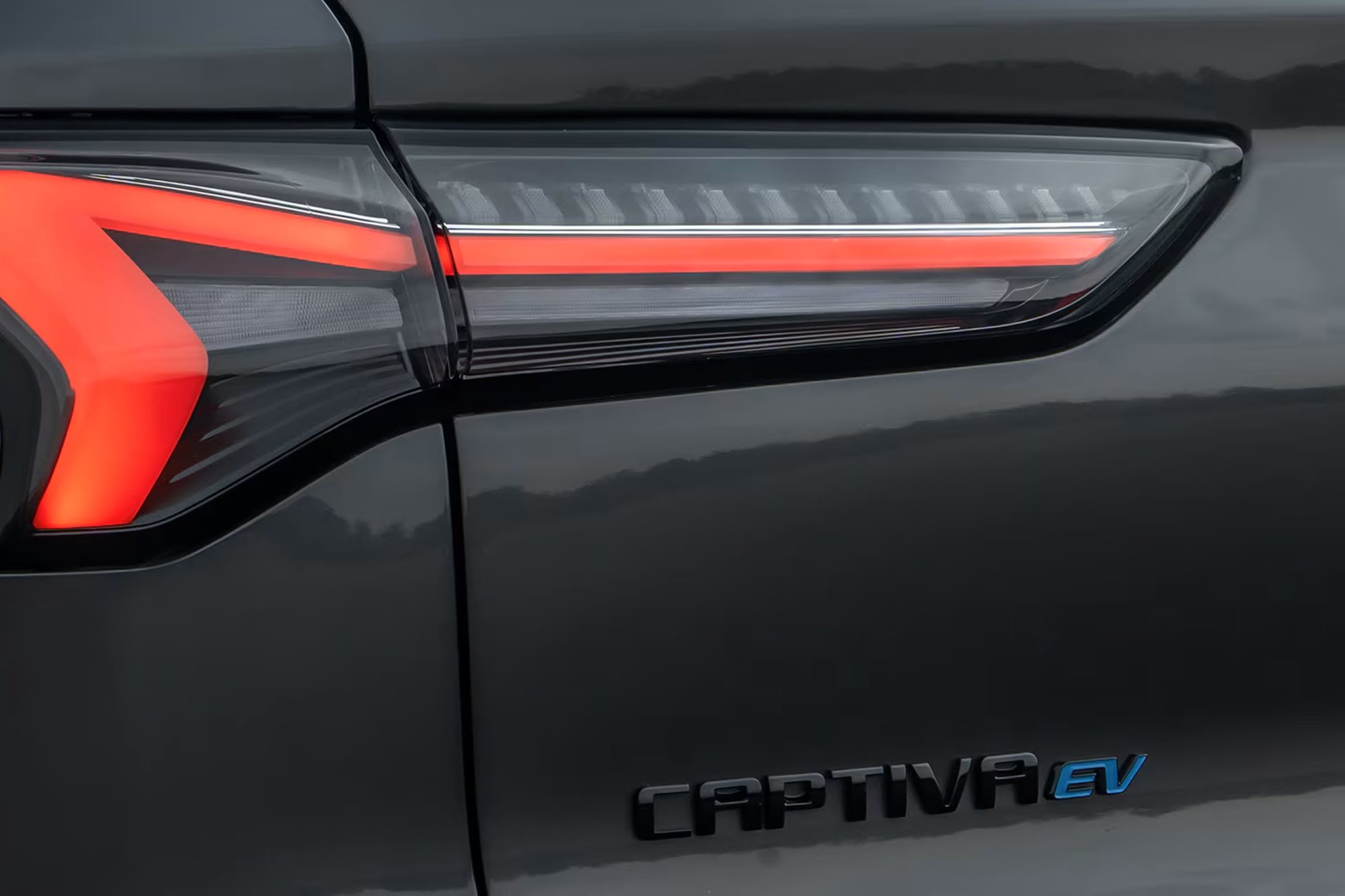
“The new Chevrolet Captiva EV is now available in Ecuador as a 100-percent electric alternative that combines range, premium design, and advanced technology,” Chevrolet Ecuador said in a statement. The company added that the model is supported by the country’s nationwide Chevrolet dealer network and is intended to meet everyday transportation needs.
As in other South American markets, the 2026 Captiva EV is offered in Ecuador exclusively in the Premier trim. The version features a two-tone exterior design with a black-painted roof and dark exterior accents, along with a full suite of technology and safety features positioned at the top of its segment.
See also: GM Confirms 2026 Chevy Captiva EV Launch in Middle East
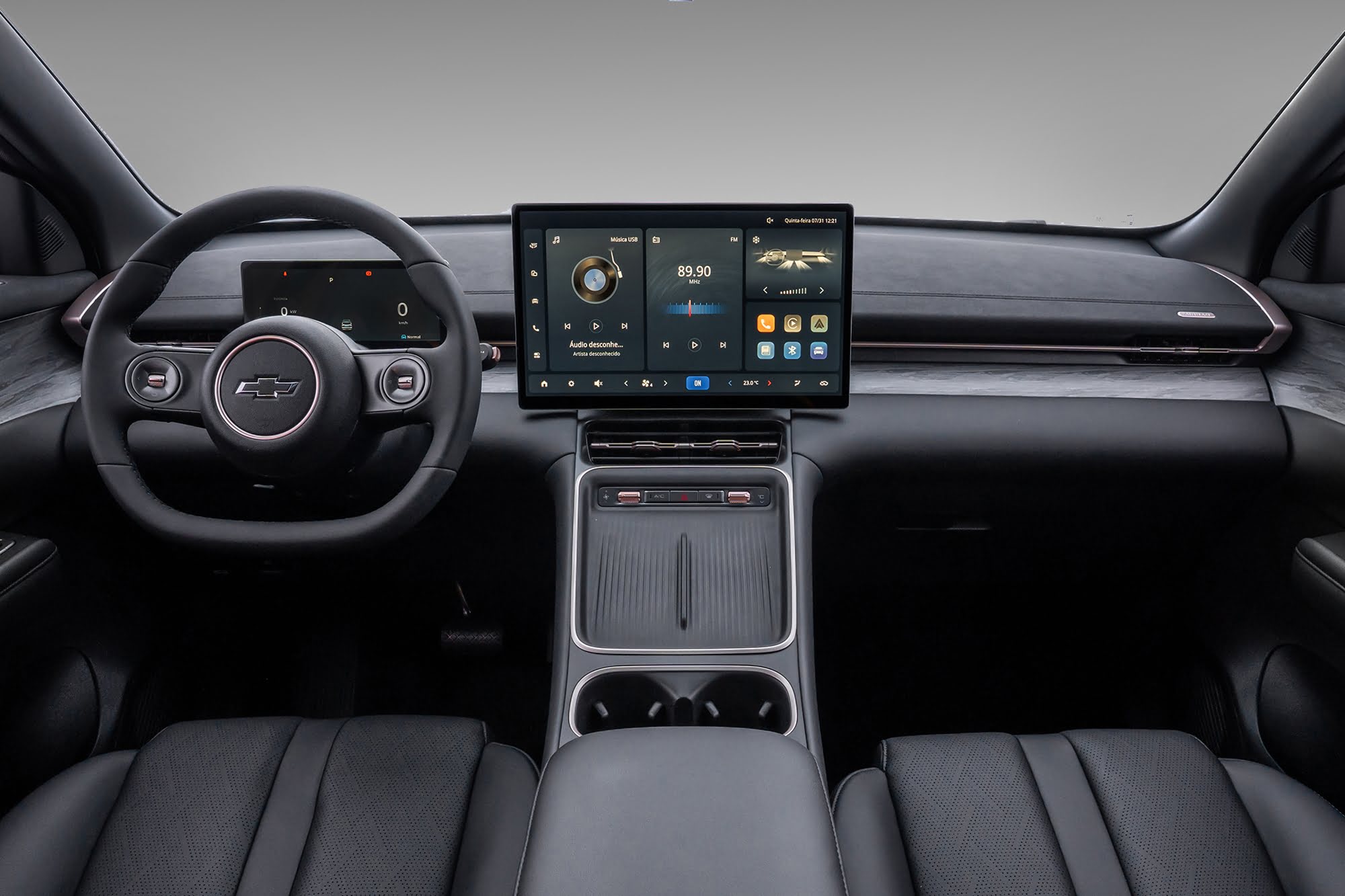
The Captiva EV Premier is powered by a single front-mounted electric motor producing 201 horsepower and 229 lb-ft of torque. Energy is supplied by a 60 kWh lithium iron phosphate battery pack, which supports DC fast charging. Chevrolet lists a driving range of up to 510 km (317 miles) on a single charge under the CLTC testing cycle.
The model is now on sale at Chevrolet dealerships across Ecuador, which becomes the fourth South American country to introduce the Captiva EV, following Uruguay, Brazil and Colombia. In Ecuador, the vehicle is priced at $30,990 and comes with an eight-year or 160,000 km powertrain warranty.


