



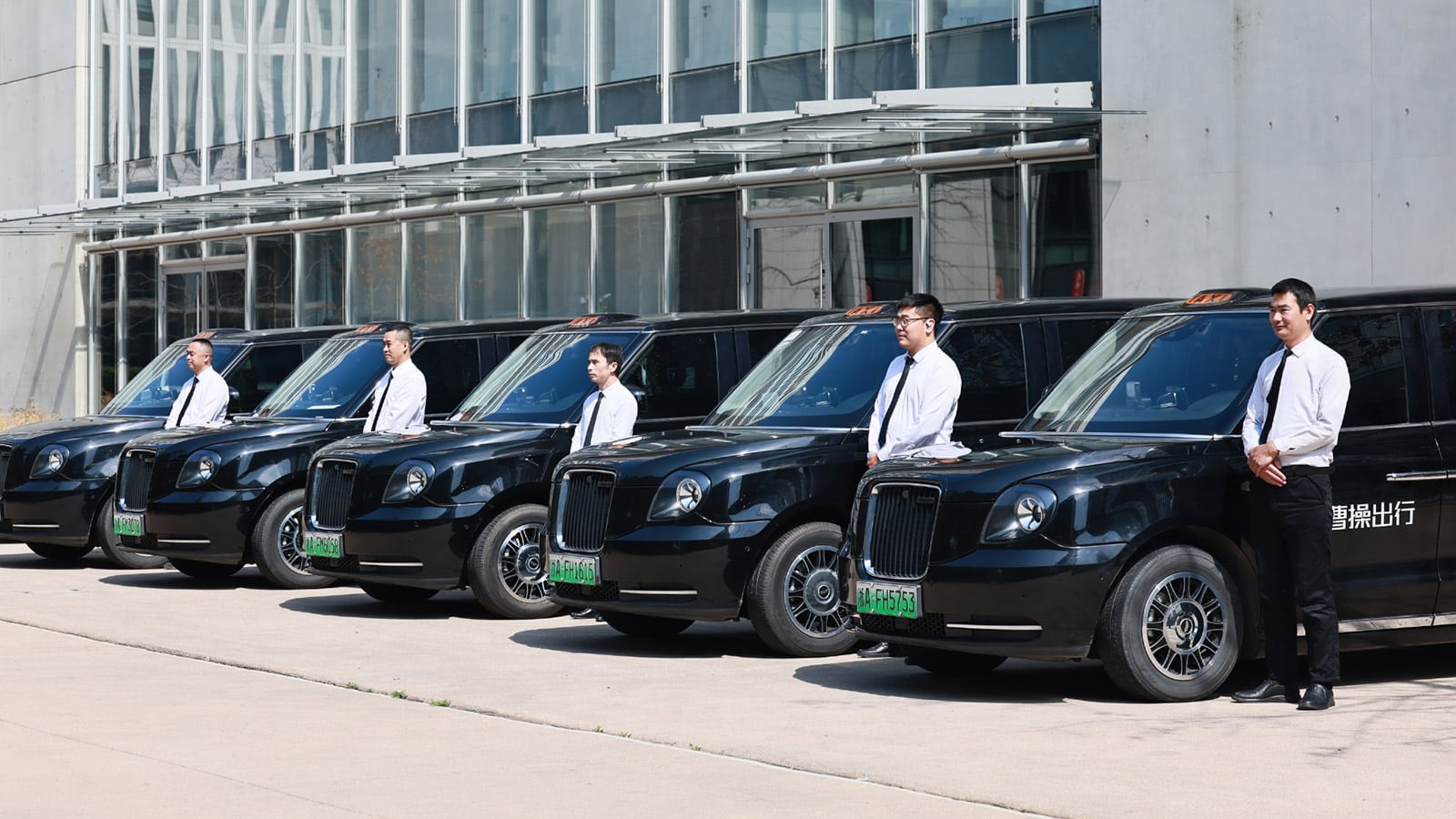
Geely Holding Group’s ride-hailing arm Cao Cao Mobility said it aims to deploy 100,000 robotaxis globally by 2030, setting out one of the most ambitious rollout targets yet as competition intensifies in the autonomous ride-hailing sector.
The company announced the goal at Geely Holding’s five-year strategic blueprint event on Thursday, positioning Cao Cao as the group’s primary vehicle for commercialising robotaxi services. The move comes as Chinese startups and established automakers step up investment in autonomous driving technology and fleet operations.
Cao Cao said it is building on more than a decade of mobility data and a nationwide ride-hailing network across China. The company has already begun pilot operations of its second-generation robotaxi fleet and is upgrading its automated fleet management systems to support large-scale deployment.
Under its so-called robotaxi 2.0 phase, Cao Cao plans to shift gradually from vehicles with safety drivers to fully driverless operations. During the transition, it will explore hybrid operating models that combine human-driven and autonomous vehicles within the same fleet, the company said.
As part of its strategy, Cao Cao is working with Geely and technology partners to develop a dedicated robotaxi model that comes pre-installed with the company’s proprietary autonomous driving software. The model is scheduled to debut later this year, with cumulative deployments targeted to reach 100,000 units by the end of the decade.
Cao Cao also confirmed plans to expand beyond China. The company said it will establish a local office and operations centre in Abu Dhabi this year, marking its first overseas base as it prepares for international commercial operations.
China is already one of the world’s most active robotaxi markets. Startups such as WeRide and Pony AI are focused on driverless ride-hailing, while Baidu operates its Apollo Go robotaxi service in multiple cities.
Automakers are also accelerating efforts. Xpeng said earlier this month that it will soon begin public road testing of robotaxis equipped with its VLA 2.0 software, a Vision-Language-Action model that the company says enables entry-level Level 4 autonomous driving capabilities.
With data scale, fleet operations and vehicle manufacturing increasingly converging, Cao Cao’s aggressive deployment target underscores Geely’s ambition to become a major global player in autonomous mobility, not only as a carmaker but also as a provider of driverless transport services.