



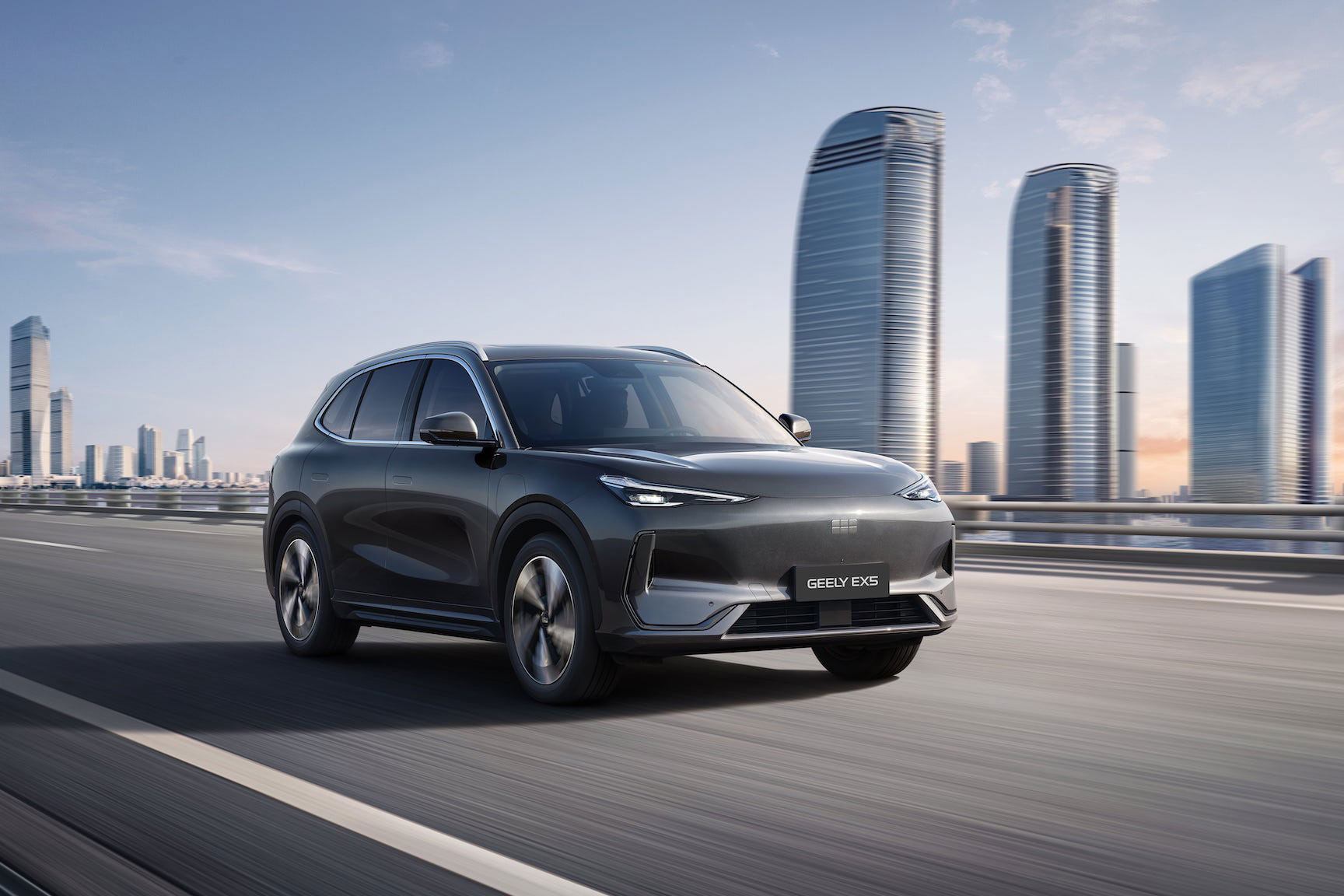
Chinese automaker Geely Auto reported March vehicle sales of 233,031 units, marking a marginal increase of 0.37% year-on-year, as strong export growth helped offset softer domestic demand.
Sales rose 13.03% from the previous month, reflecting a recovery from seasonal weakness earlier in the year. The data highlights a continuing trend in which stable overall volumes mask diverging performance across brands and powertrain segments.

The core Geely brand recorded sales of 178,287 units in March, down 6.88% year-on-year but up 15.07% from February. The Geely Galaxy lineup delivered 82,744 units, declining 8.09% year-on-year while increasing 13.15% month-on-month, marking its third consecutive month of annual declines.
Premium and electrified brands showed more resilience. Lynk & Co sold 25,426 vehicles, up 0.53% year-on-year but down 7.07% from the previous month. Meanwhile, Zeekr posted strong growth, with sales reaching 29,318 units, surging 90.11% year-on-year and 22.84% higher than February.
By powertrain, battery electric vehicle (BEV) sales declined 18% year-on-year to 70,557 units, while plug-in hybrid electric vehicle (PHEV) sales rose 70% to 56,762 units. Overall new energy vehicle (NEV) sales reached 127,319 units in March, up 6% year-on-year and accounting for 55% of total deliveries.
Exports continued to be the primary growth driver. Overseas shipments reached a record 81,639 units, rising 120% year-on-year and 34.10% from the previous month, supported by Geely’s expanding presence in Europe, Latin America and the Middle East.

For the first quarter, Geely Auto delivered 709,358 vehicles, up about 1% year-on-year, while NEV sales increased 9%, reflecting an ongoing transition toward electrification. Overseas sales exceeded 203,024 units, more than doubling from a year earlier.
The performance comes as China’s auto market remains highly competitive, with price competition weighing on margins and prompting manufacturers to pursue growth through exports and product upgrades.


