
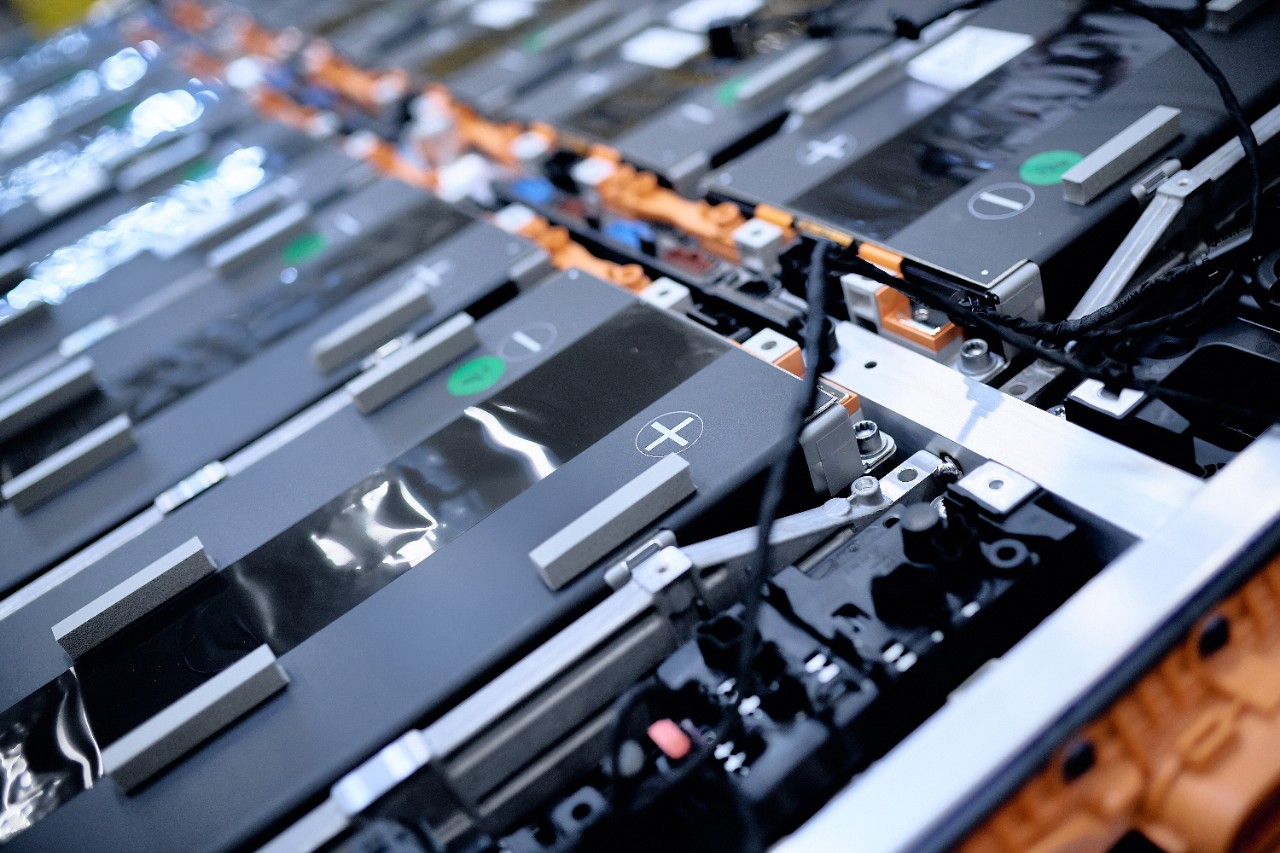
Ford Motor is prioritizing flexibility in its electric vehicle battery strategy as the industry continues to test and scale new chemistries, a senior executive said at the 2025 Jefferies Industrials Conference.
“Yeah, we’re always thinking about the next chemistry,” said Lisa Drake, Ford’s vice president. “I mean, I’ve been in this space for – since we started this journey for the last four years and we’ve already gone from a high nickel-based chemistry to a mid-nickel-based chemistry to an LFP chemistry to now we have LMR which is a manganese rich chemistry.”
See also: Ford Expands F-150 Lightning Lineup with New Entry-Level STX, Adds Range
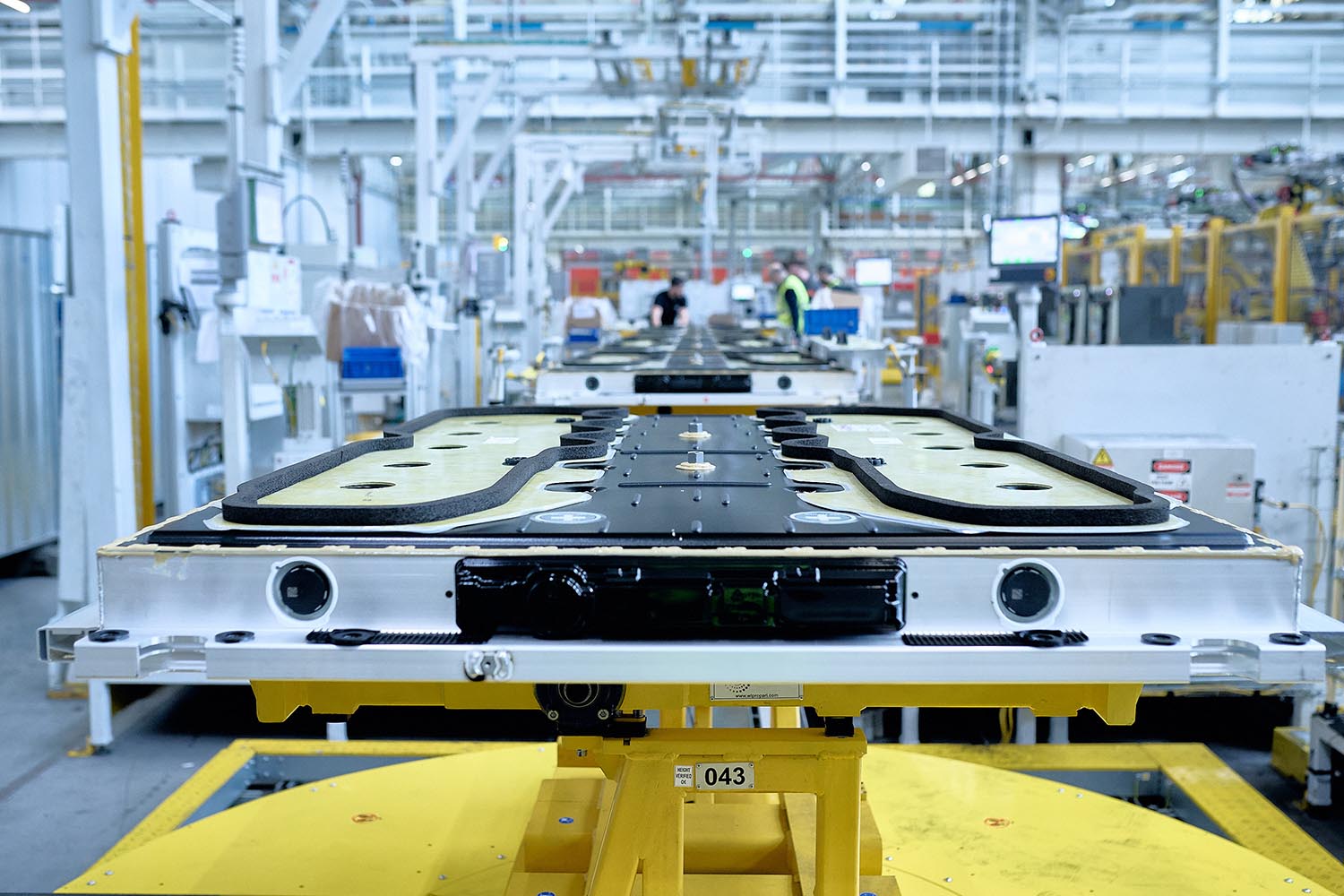
Drake emphasized that Ford’s battery production investments are designed to be adaptable. “If you don’t have irons in the fire on all of them, you will miss out and you have to stay on your toes in the space,” she said. “The way we install our capacity is that we always make sure it can flex one or two ways. So, we don’t like to install any capital if we know it can’t flex into one or another adjacent chemistry. So, if we have to pivot, we can.”
While the automaker has expanded use of lower-cost lithium iron-phosphate (LFP) cells, it announced in April progress on lithium manganese-rich (LMR) chemistry, which could balance cost and performance. Industry experts widely expect solid-state batteries to eventually dominate, though they are not projected to be commercially viable for vehicles until later this decade.
See also: Ford Mustang Mach-E Outsells Gasoline Mustang in August Amid EV Tax Credit Rush
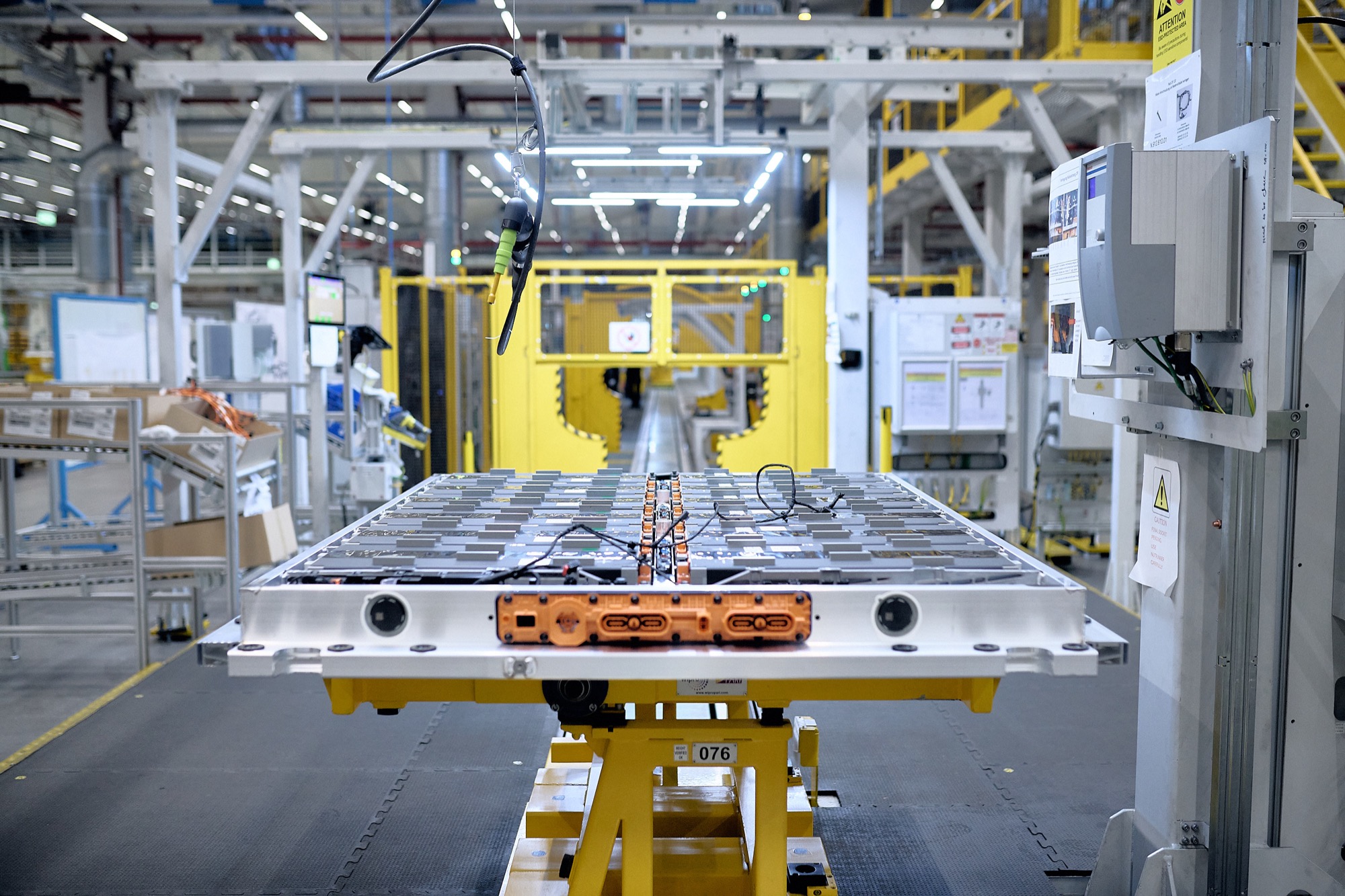
Raw material costs, which many anticipated would decline, have not eased significantly, adding further uncertainty for automakers trying to scale production while keeping costs under control.