



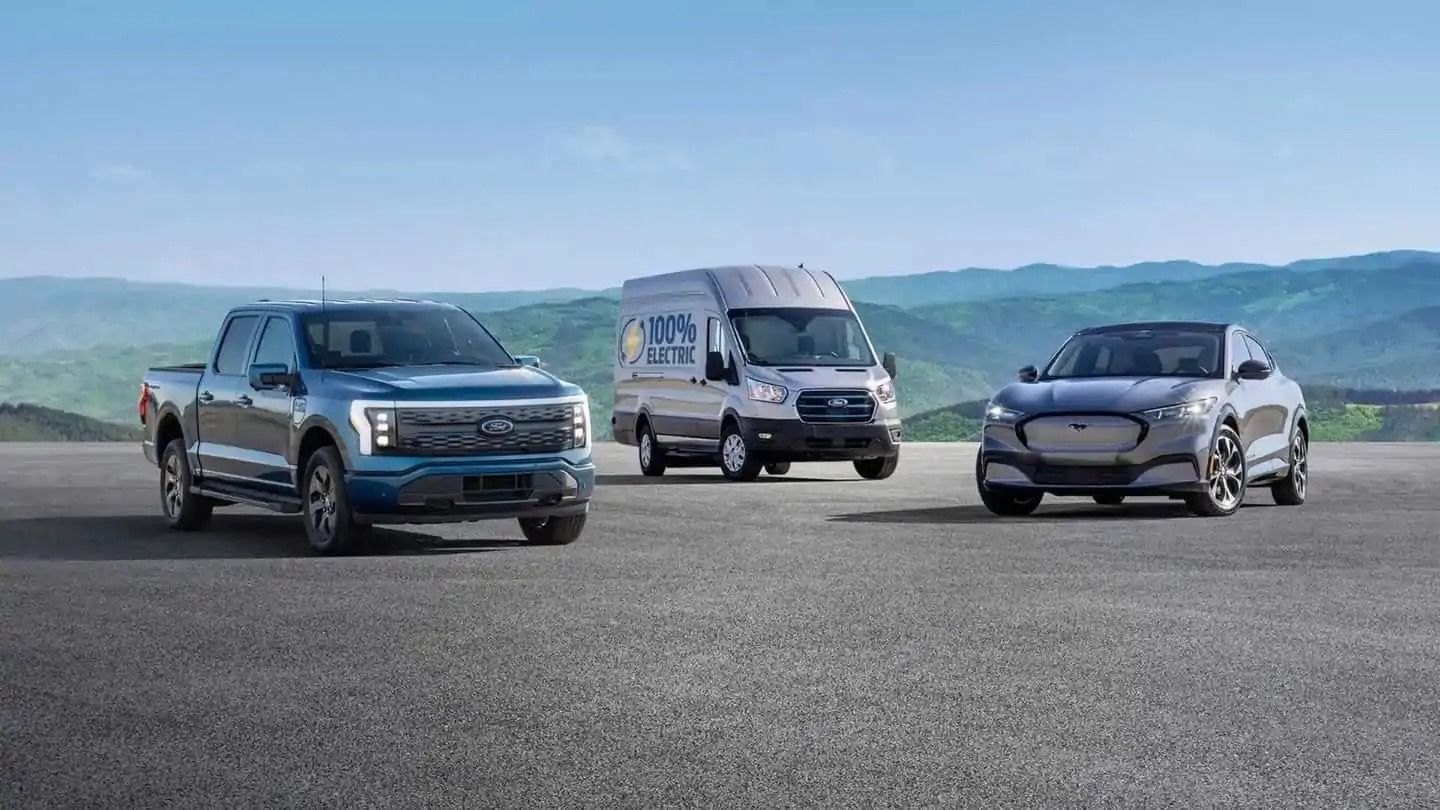
Ford Motor’s electric vehicle unit, Model e, reported a $1.3 billion loss in the second quarter of 2025, as rising costs and tariffs weighed on its financial performance despite a 105% year-over-year increase in revenue. The segment generated $2.4 billion in Q2 sales, driven by higher wholesale volumes and continued focus on electric vehicle development.
The EBIT loss was $179 million deeper than in the same period a year earlier, reflecting the impact of tariffs, strategic investment in next-generation EVs, and startup costs tied to Ford’s new battery manufacturing plant in Marshall, Michigan. Model e’s cumulative loss for the first half of 2025 now stands at approximately $2.2 billion.

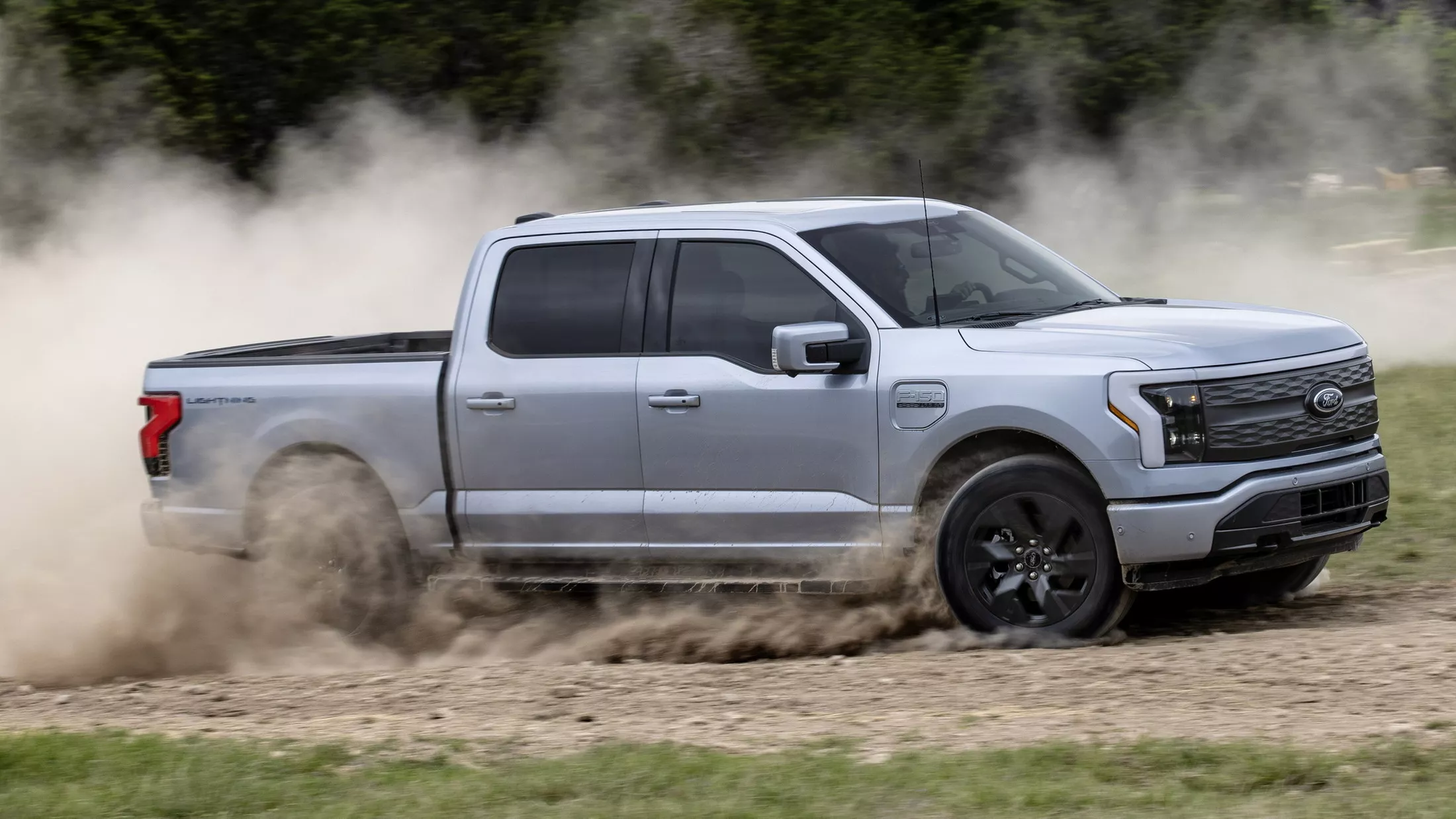
Wholesale volumes in the EV division climbed to 60,000 units in the second quarter, more than doubling from 26,000 in Q2 2024. Revenue for the first half of the year reached $3.6 billion, up 184% year-on-year. While EBIT from first-generation models such as the Mustang Mach-E and F-150 Lightning remained flat when excluding tariffs, the company noted improved operating leverage and cost efficiencies.
Ford CEO Jim Farley said the company is continuing to optimize its EV operations and highlighted the strength of its commercial arm, Ford Pro, which is contributing to overall growth. Farley also announced that the automaker will unveil further EV development plans during an event scheduled for August 11 in Kentucky.


The Model e segment’s EBIT margin improved from -99.9% in Q2 2024 to -56.4% in the latest quarter—a notable gain, though the business remains unprofitable.
Across the company, Ford reported a Q2 net loss of $36 million on record revenue of $50.2 billion, representing a 5% year-over-year increase. Adjusted EBIT came in at $2.1 billion, with net tariff-related headwinds amounting to $800 million. The automaker generated $6.3 billion in operating cash flow and $2.8 billion in adjusted free cash flow.
Capital expenditure guidance for 2025 remains unchanged at around $9 billion, reinforcing Ford’s ongoing commitment to its electrification roadmap. CFO Sherry House stated the company’s financial position continues to strengthen, allowing it to fund long-term growth opportunities.

For the full year, Ford now expects adjusted EBIT between $6.5 billion and $7.5 billion—down from the previously forecasted $7 billion to $8.5 billion—while maintaining adjusted free cash flow expectations of $3.5 billion to $4.5 billion. The company confirmed a projected $2 billion tariff-related cost impact for 2025.
Model e’s losses were anticipated in Ford’s 2024 annual review, which projected a full-year EBIT deficit between $5 billion and $5.5 billion for the EV division. Further strategic updates, particularly concerning future electric models, are expected to be outlined during next month’s event in Kentucky.