
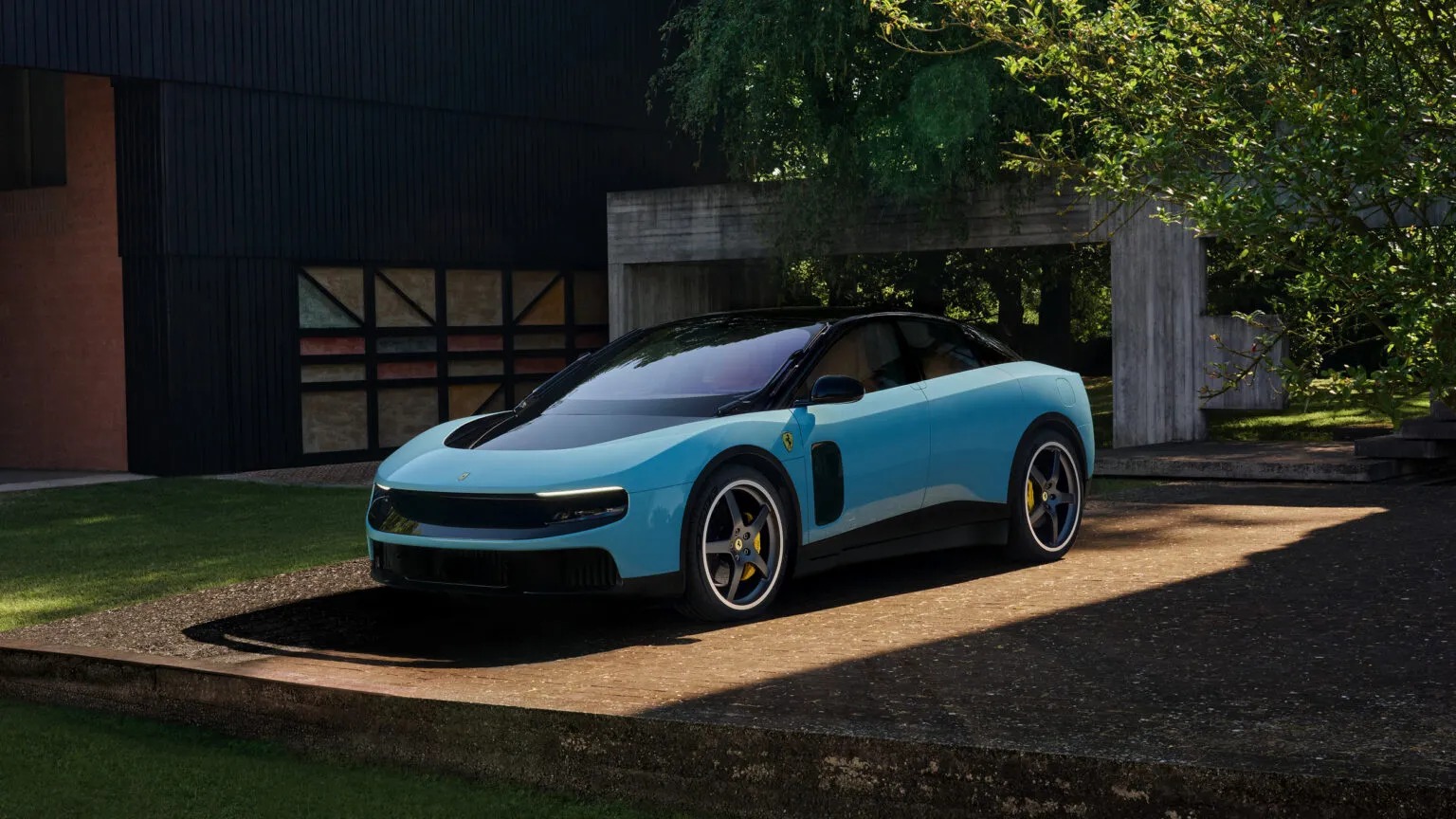
Ferrari’s first all-electric model, the Luce, has already sold out its planned production allocation for 2027, with buyers facing a waiting period of around one year, according to chief executive Benedetto Vigna.
Speaking during the company’s third-quarter earnings call on Tuesday, Vigna said the entire 2027 production run had been allocated, despite the mixed reaction that followed the car’s unveiling in May.
The five-seat electric vehicle, priced from approximately US$615,000, was designed in collaboration with Jony Ive, Apple’s former longtime design chief. Its debut attracted criticism from some observers and coincided with a decline in Ferrari’s share price.
However, the reaction has not translated into weaker customer demand, according to Vigna.
“If someone comes, he has to wait one year to get the cars,” Vigna said.
Ferrari expects to begin the first Luce deliveries in the fourth quarter, although the company has not disclosed the number of vehicles included in its planned production allocation.
Production Volumes Remain Undisclosed
Ferrari has not publicly specified its production targets for the Luce. The Financial Times reported earlier this year, citing unnamed sources, that the company planned to sell slightly fewer than 500 units in the model’s first year.
The publication also reported that Ferrari had a longer-term target of selling 2,500 units by 2030, equivalent to approximately 600 vehicles annually.
Vigna declined to provide a detailed profile of Luce buyers or disclose customer numbers by region. He described the customer base as a diverse mix in terms of both client profiles and geography, adding that there was no specific demographic pattern among purchasers.
The strong initial allocation suggests Ferrari has secured substantial interest in its first electric vehicle, although the absence of publicly disclosed production figures makes it difficult to assess the scale of demand.
Customisation Supports Ferrari’s Financial Performance
While Luce deliveries have yet to begin, Ferrari’s existing vehicle portfolio and demand for personalised options contributed to its financial performance in the third quarter.
Revenue from customisation accounted for more than 21% of revenue generated by cars and spare parts, according to company executives. Ferrari said deliveries of its limited-production F80 hypercar and demand for bespoke options reflected customers’ growing interest in making their vehicles distinctive.
The contribution from personalisation helped support profitability and prompted Ferrari to increase its full-year financial outlook.
The company now expects adjusted earnings of at least €3 billion (approximately US$3.36 billion), compared with its previous forecast of €2.97 billion.
Third-Quarter Revenue and Profit Increase
Ferrari reported third-quarter revenue of €1.9 billion, up 7% from the same period a year earlier. Net income increased 13% to €431 million, while operating profit reached €563 million.
Ferrari Defends Luce Design, Cites Strong Demand for €550,000 EV
Its operating margin stood at 29.7%, reflecting the high profitability of its luxury sports car business.
The Luce’s early allocation success provides an encouraging demand signal ahead of its first customer deliveries. Ferrari has yet to disclose how the electric model will contribute to its production volumes and financial results as it expands beyond its established combustion-engine and hybrid offerings.