
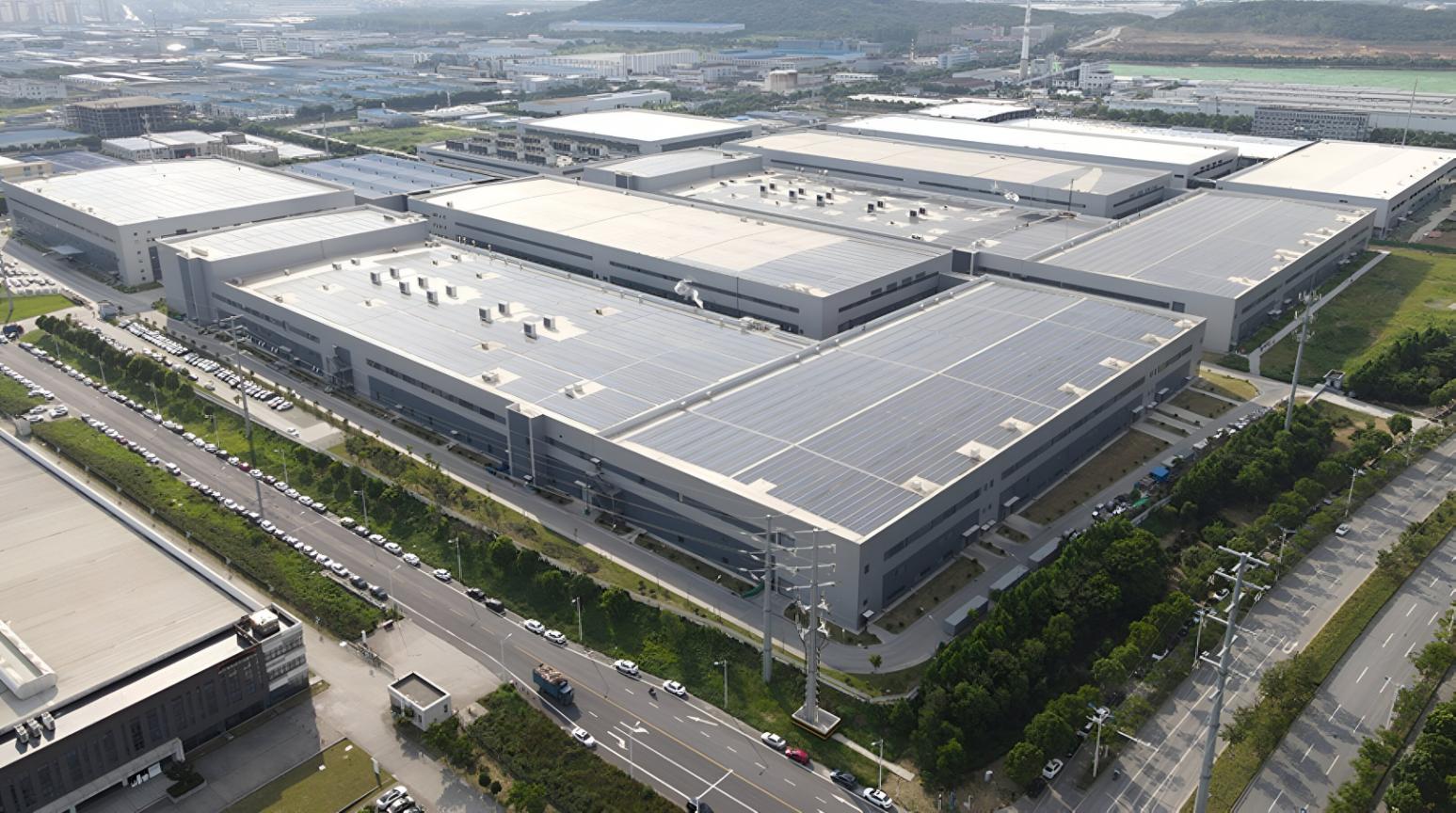
Farasis Energy, a battery manufacturer backed by Mercedes-Benz, has begun pilot production and deliveries of its sulfide-based solid-state batteries, according to a report by Chinese tech outlet IT-Home. The announcement marks a new phase in Farasis’ push to commercialize advanced battery technologies for electric vehicles.
Farasis said it aims to complete a pilot production line with a planned annual capacity of 0.2 gigawatt-hours (GWh) by the end of 2025. The company is currently delivering 60Ah battery samples to strategic partners and intends to expand sample deliveries to additional clients based on market feedback.
The company’s current solid-state battery design uses high-nickel ternary cathodes and high-silicon or lithium metal anodes, arranged in a soft-pack, stacked-cell structure. Farasis targets an energy density exceeding 400 Wh/kg, and said the cells have shown stable cycling performance in real-world testing.
In terms of safety, Farasis stated that its solid-state electrolytes have passed puncture, shear, and thermal chamber tests. The batteries also feature a self-shutdown mechanism designed to reduce risks during thermal runaway. The company is simultaneously developing a second platform using oxide/polymer composite electrolytes, aiming for energy densities of up to 500 Wh/kg.
According to IT-Home, Farasis has attracted interest from multiple new energy vehicle manufacturers outside its existing partnerships. The company expects to scale solid-state battery production to gigawatt-hour levels in 2026.