
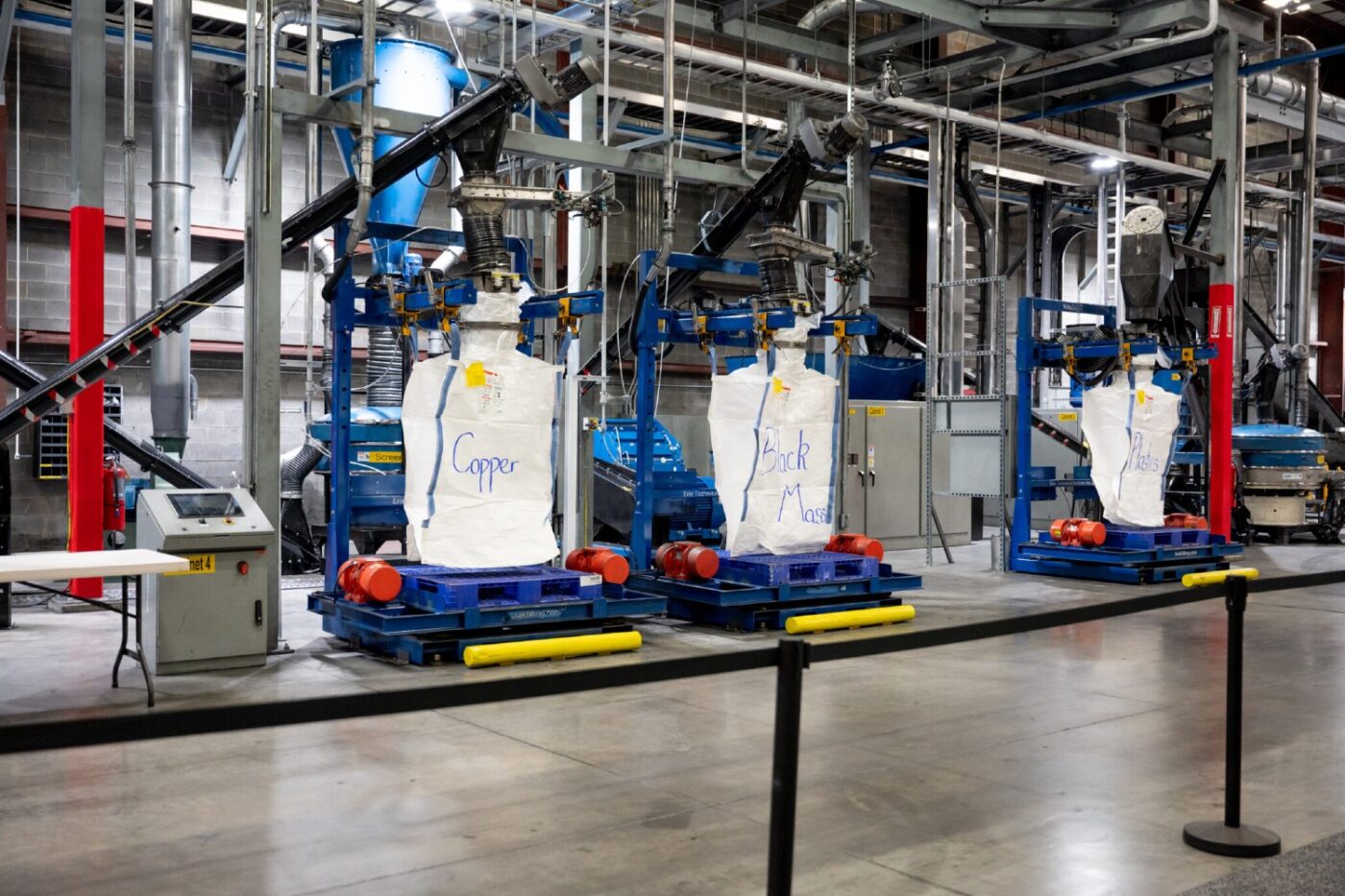
Electric vehicle battery recycling in Europe is technically advanced but remains economically unviable, with an interim study from the Safeloop research project estimating a current loss of around €1.90 per kilogram of battery pack. Researchers say changes to recycling processes, logistics and business models could significantly improve the economics of battery circularity.
The study was conducted by HHL Leipzig Graduate School of Management as part of Safeloop, a three-year European Union-funded project focused on safer and more sustainable lithium-ion batteries throughout their lifecycle.
Transport and Disassembly Drive Recycling Costs
The study identifies several factors contributing to the current economics of battery recycling, including hazardous-goods transportation, battery pack disassembly and uncertainty around material recovery.
Cylib Acquires Bavaria EV Battery Recycling Plant With 10,000-Tonne Annual Capacity
Transportation is a particularly significant cost. Used lithium-ion batteries are classified as hazardous goods, resulting in transport costs that the researchers estimate are, on average, 16 times higher than those for conventional freight.
The economic challenge is also more pronounced for companies focused exclusively on battery recycling compared with businesses operating broader models.
EU Recycling Requirements Increase Importance
The economic viability of recycling is becoming increasingly important as European battery regulations introduce requirements for recycled raw materials.
Under the EU Battery Regulation, specific minimum proportions of raw materials used in new vehicle, industrial and starter batteries must come from recycled sources from August 2031.
Clean Motion Joins Swedish Composite Recycling Project for Light EVs
Safeloop researchers modelled the effect of current recycling losses on battery costs. Assuming a 20% recycling quota and full transfer of those losses to battery prices, they estimate that battery packs could become around 6% more expensive.
Second-Life Batteries Create Value
The study also identifies potential economic benefits from giving used EV batteries a second life.
For example, an electric bus battery could be repurposed as stationary energy storage after its automotive use. According to the researchers, this could increase the battery’s total economic value across both applications by 64%.
However, the additional value does not necessarily reach the companies responsible for bearing the costs of recycling and circularity. The researchers describe this as a distribution problem that could discourage investment in battery recycling.
Orbia Secures UK Funding for Graphite Recycling Pilot to Support EV Battery Supply Chain
Second-life applications also require reliable information about battery condition, competitive costs and long-term guarantees. Expert interviews conducted as part of the study identified safety concerns and investor risk assessments as additional barriers.
More Efficient Processes Could Improve Economics
Safeloop estimates that a combination of measures could reduce recycling costs by around 34%.
Potential improvements include safer battery designs, shorter transportation routes, greater automation in battery disassembly, specialized recycling structures and standardized transport procedures.
Under the study’s calculations, these measures could shift the current estimated loss of €1.90 per kilogram of battery pack to a small profit of €0.13 per kilogram.
The findings suggest that improvements across the battery value chain could be as important as advances in recycling technology itself.
EU and India Support Battery Recycling Development
Further development of recycling technologies is also being supported through international cooperation.
The European Union and India announced a €15.2 million joint initiative in May to advance EV battery recycling technologies. The program includes work on more efficient material recovery, digitalized collection and sorting systems, and second-life battery applications.
Umicore and Fraunhofer Lead Battery Recycling Project Focused on Selective Cell Discharge
A pilot facility is also planned in India to test new processes under real-world conditions and support their development toward industrial deployment.
New Business Models Could Redistribute Value
Safeloop researchers argue that improving recycling economics will require changes to how battery ownership, costs and revenues are managed across the value chain.
One proposal is to introduce new coordinating stakeholders that manage battery packs and their materials through multiple stages of their lifecycle.
Such structures could distribute costs and revenues among vehicle manufacturers, operators, second-life providers and recyclers while creating incentives for improvements in upstream battery processes.
“Such stakeholders would own the batteries and the materials they contain. They could create market pressure for innovations in upstream processes while fairly redistributing the value derived from the second life of batteries,” said Dima Smirnov, study leader at HHL Leipzig Graduate School of Management.
Smirnov said Europe needs both more efficient battery processes and business models that can make circularity economically sustainable.
Altilium Secures First UK Patent for EcoCathode EV Battery Recycling Technology
Safeloop was launched in 2024 and involves 15 institutions from 11 countries. The approximately €4.7 million project is funded by the European Union and is scheduled to run for three years.