


A new European Union-backed initiative, BeyondBattRec, has brought together twelve partners under the leadership of Denmark’s Aalborg University to advance battery recycling technologies. The project seeks to recover 95% of critical metals such as cobalt, nickel, and copper while also improving industrial scalability.
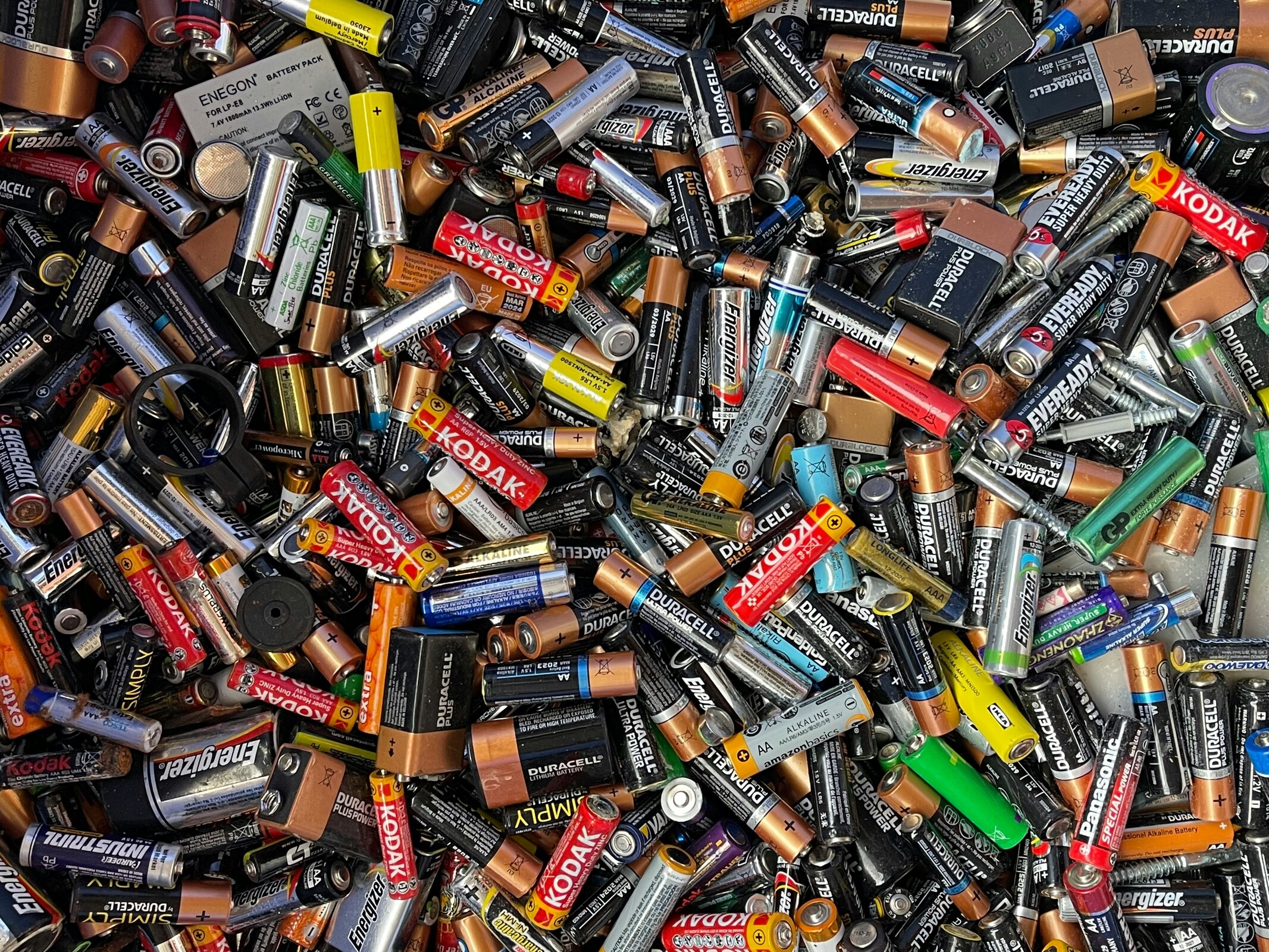
Launched at the end of 2024, BeyondBattRec will run for four years until 2028, aiming to reuse over 70% of battery weight, cut CO2 emissions by 50%, and recover 95% of non-metallic components. While electric vehicle (EV) batteries have high theoretical recycling potential, current recycling rates remain low, with only 12% of battery materials recovered globally.
See also: Shenhuo New Materials Begins Mass Production of China’s Thinnest Battery Foil
In Europe, battery scrap has quadrupled in recent years, yet the region remains heavily dependent on imports for key raw materials, including lithium and graphite.
BeyondBattRec, funded with €7.45 million through the Horizon Europe program, involves twelve partners from seven countries, including Varta Microbattery, Siemens, Accurec Recycling, and Coventry University. The project will focus on developing new processes for sorting, deactivating, dismantling, and recovering battery materials. Researchers will also assess battery health and explore reusing recycled materials in new cells to create a more sustainable and circular battery supply chain.
See also: China’s LFP Battery Sector Sees Demand Recovery Amid Rising Orders, Price Adjustments
Aalborg University, leading the consortium, emphasized that the initiative aligns with the European Green Deal and the BATT4EU partnership’s goal of establishing a competitive and sustainable European battery industry. By implementing cutting-edge recycling technologies, BeyondBattRec aims to strengthen Europe’s position in the global battery sector and reduce reliance on external supply chains.