



European Union plans to cut CO2 emissions from vehicles, including a 100% reduction for cars by 2035, are increasingly unrealistic, the heads of the European automobile manufacturers’ and suppliers’ associations said on Wednesday.
In a letter to European Commission President Ursula von der Leyen, Mercedes-Benz CEO Ola Kaellenius and Schaeffler AG CEO Matthias Zink affirmed their commitment to the EU’s net-zero goal by 2050 but warned of pressing obstacles.
“Meeting the rigid car and van CO2 targets for 2030 and 2035 is, in today’s world, simply no longer feasible,” the executives wrote. They cited near-total reliance on Asia for batteries, uneven charging infrastructure, higher manufacturing costs, and U.S. tariffs as major challenges.
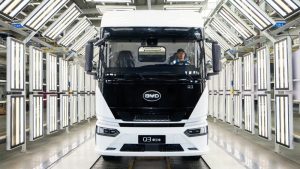
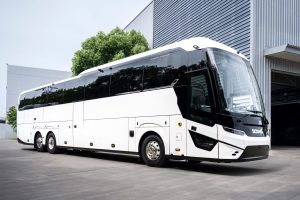
The letter urged the EU to broaden its approach to emissions reduction, stating: “EVs will lead the charge, but there must also be space for (plug-in) hybrids, range extenders, highly efficient internal-combustion engine vehicles, hydrogen and decarbonised fuels.” The association leaders also called for reviewing CO2 regulations for heavy-duty trucks and buses.
The EU has already extended deadlines for the 2025 CO2 reduction targets, and some political groups have suggested withdrawing the 2035 ban on combustion engines. A key meeting with automotive executives is scheduled for September 12 to discuss the future of the sector, which faces competition from Chinese electric vehicle makers and potential U.S. tariffs.


