





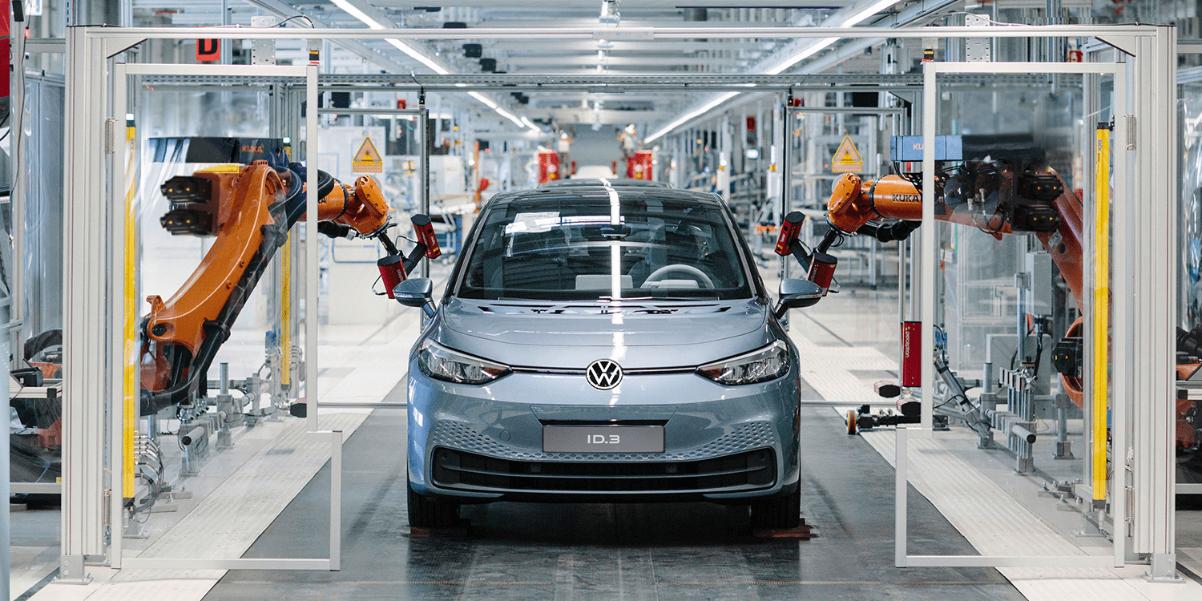
New car sales in the European Union saw a 4.3% increase in June, reaching their highest levels since July 2019, according to data from the European Automobile Manufacturers Association (ACEA). The rise was bolstered by strong performances in key markets such as Italy, Germany, and Spain, although registrations of battery electric cars experienced marginal declines.
“While registrations of battery electric cars in Belgium and Italy surged, declines in Germany, the Netherlands, and France offset these gains,” ACEA noted in its report.

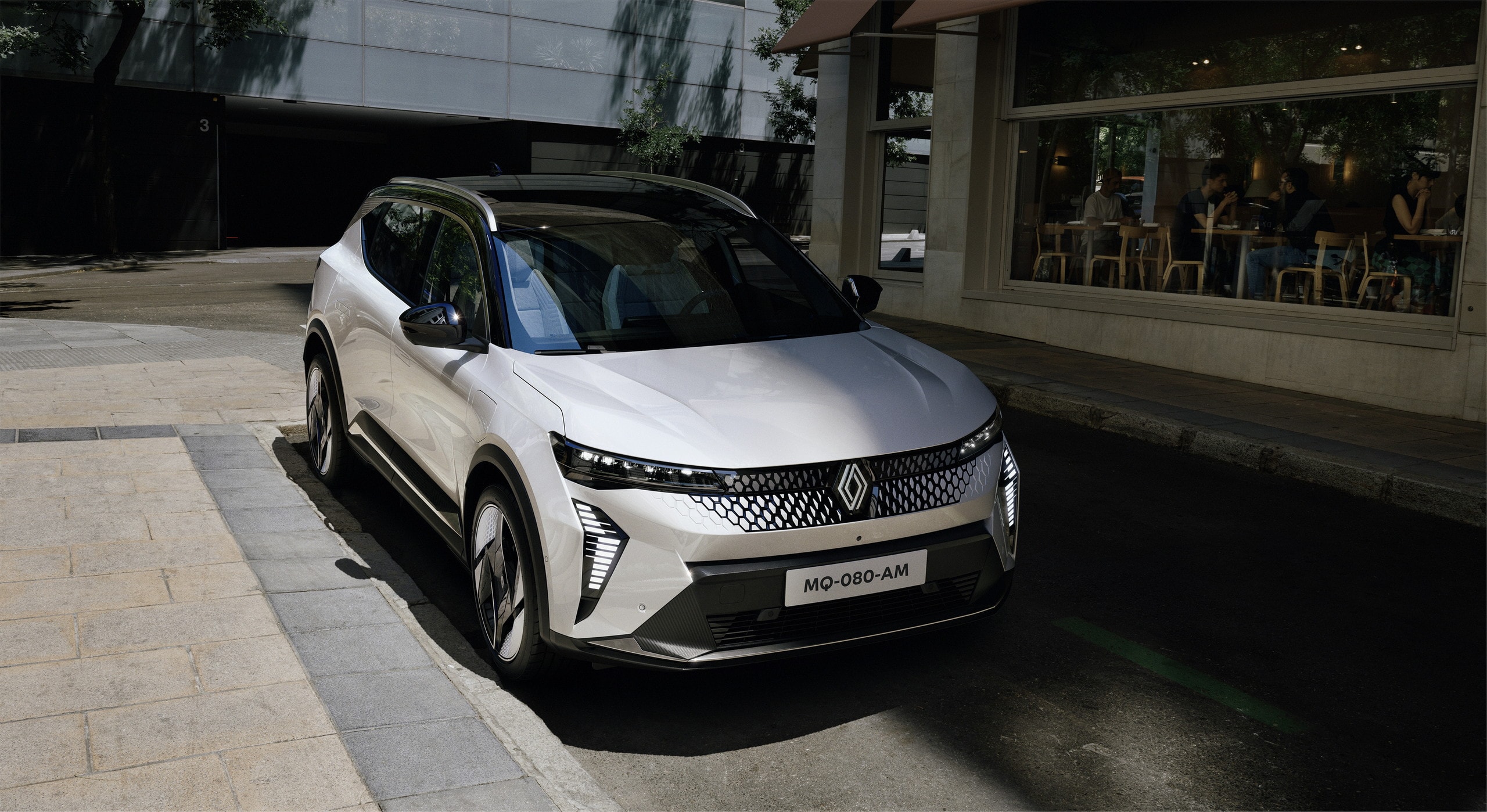
Sales of battery electric and plug-in hybrid cars in June declined by 1% and 19.9% respectively compared to the previous year, while hybrid-electric car registrations grew by 26.4%. In the first half of the year, registrations of battery electric cars showed a modest increase of 1.3%.
EVs, encompassing fully electric, plug-in hybrids, and full hybrids, accounted for 50% of all new passenger car registrations in June, up from 47.5% a year earlier.

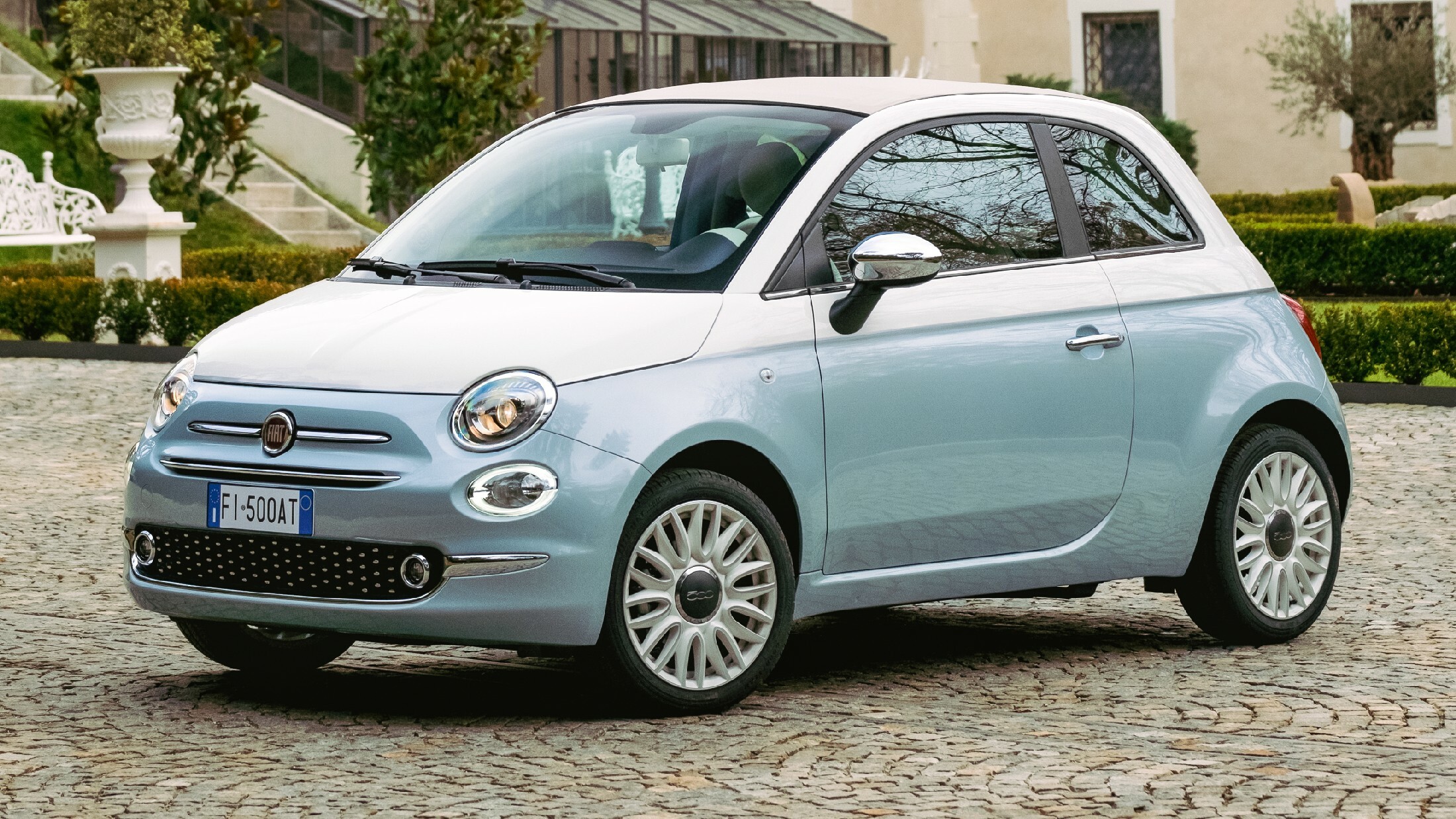
Europe’s largest carmakers, including Volkswagen, Stellantis, and Renault, reported mixed growth rates in June, with Volkswagen up 4.7%, Stellantis up 0.4%, and Renault up 6.2%.
Germany, the EU’s largest EV market, recently ended subsidies for EV purchases, affecting market dynamics. Lucien Mathieu, cars director at Transport & Environment, commented on Germany’s challenges in EV adoption, noting that consistent incentives in other markets were yielding better results.


