




Estonia is preparing high-power charging infrastructure for electric ferries on the Virtsu-Kuivastu route, with Norwegian company PSW Power & Automation contracted to supply a Megawatt Charging System (MCS) capable of delivering up to 5 MW. A new battery-electric ferry is scheduled to begin operating on the route by the end of 2028.
The crossing links Estonia’s mainland at Virtsu with the island of Muhu and provides the main ferry connection to Saaremaa.
Megawatt Charging Infrastructure
PSW Power & Automation will install two charging points on each side of the crossing, with each unit offering charging capacity of up to 5 MW.
Artemis Technologies Unveils World’s First Fully Electric Hydrofoil Pilot Boat
The system will use a 1,500-volt architecture designed to support high charging power and efficient operation while allowing for future electric vessel requirements.
PSW is drawing on experience from megawatt charging projects in Norway. The company says it has installed more than 250 MW of shore power capacity and over 100 MWh of integrated battery storage across the Nordic region.
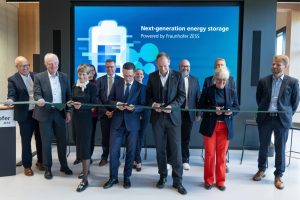
Jens Hjorteset, Director of Business Development at PSW Power & Automation, said the contract reflects increasing demand for scalable charging infrastructure for maritime applications.
“This contract shows the growing international demand for reliable, scalable and future-ready charging infrastructure in the maritime industry,” said Jens Hjorteset, Director of Business Development at PSW Power & Automation.
New Electric Ferry Planned for 2028
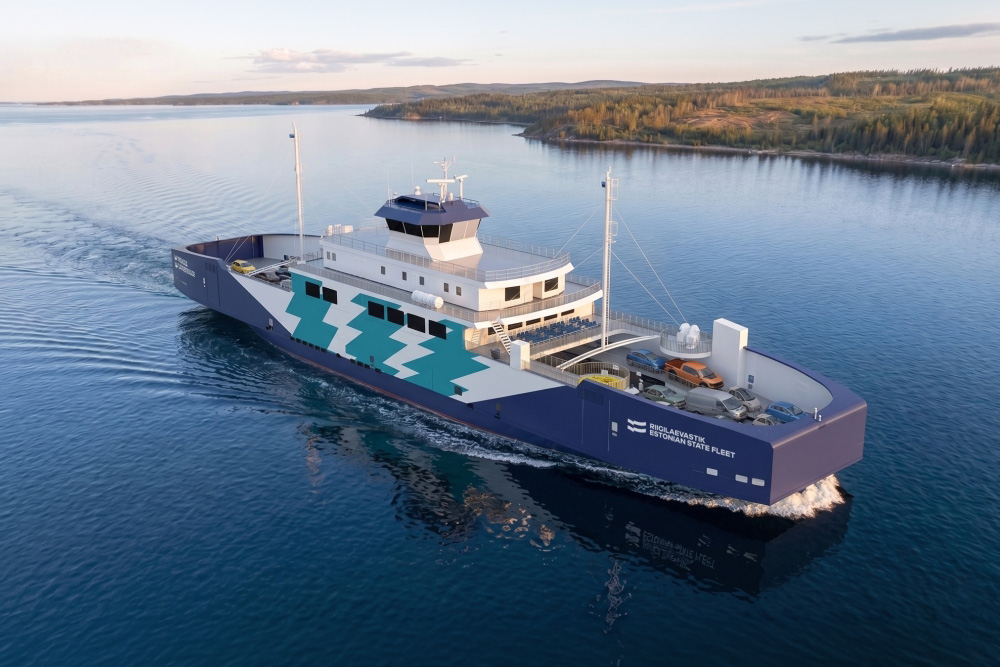
The Estonian state is currently building a new ferry for the Virtsu-Kuivastu route, with completion scheduled for the end of 2028.
LH2 Shipping Secures Funding for Two More Liquid Hydrogen Bulk Carriers
The vessel will accommodate up to 380 passengers and 110 cars or eight lorries. It will be smaller than the Piret and Toll ferries currently serving the route.
The ferry construction contract is valued at €50 million, approximately €8 million above the originally planned budget.
The combination of a battery-electric ferry and high-power charging infrastructure is suited to short, regularly operated ferry routes, where vessels can recharge during scheduled stops at the terminals.
Charging System Designed for Multiple Vessels
The new MCS infrastructure will not be exclusively dedicated to the new electric ferry.
According to PSW, other vessels equipped to use the system will also be able to access the charging infrastructure. This could allow the charging network to support additional electric vessels operating on the route as maritime electrification develops.
Eitzen Group Orders Two Electric Container Ships, Secures Funding for Two More
The project highlights the growing use of high-power charging systems for marine transport, where short port stays require rapid transfer of large amounts of energy to vessel batteries.


