




Cyngn said its autonomous vehicle commercial pipeline now spans nine industry verticals, 35 U.S. states, and international markets, reflecting growing interest from industrial operators seeking to deploy autonomous vehicles at scale rather than through limited pilot programs.
The company, which develops autonomous driving technology for industrial vehicles, reported increased engagement during the second quarter from large industrial organizations evaluating broader adoption of autonomous systems across manufacturing, warehousing, logistics, and outdoor industrial operations.
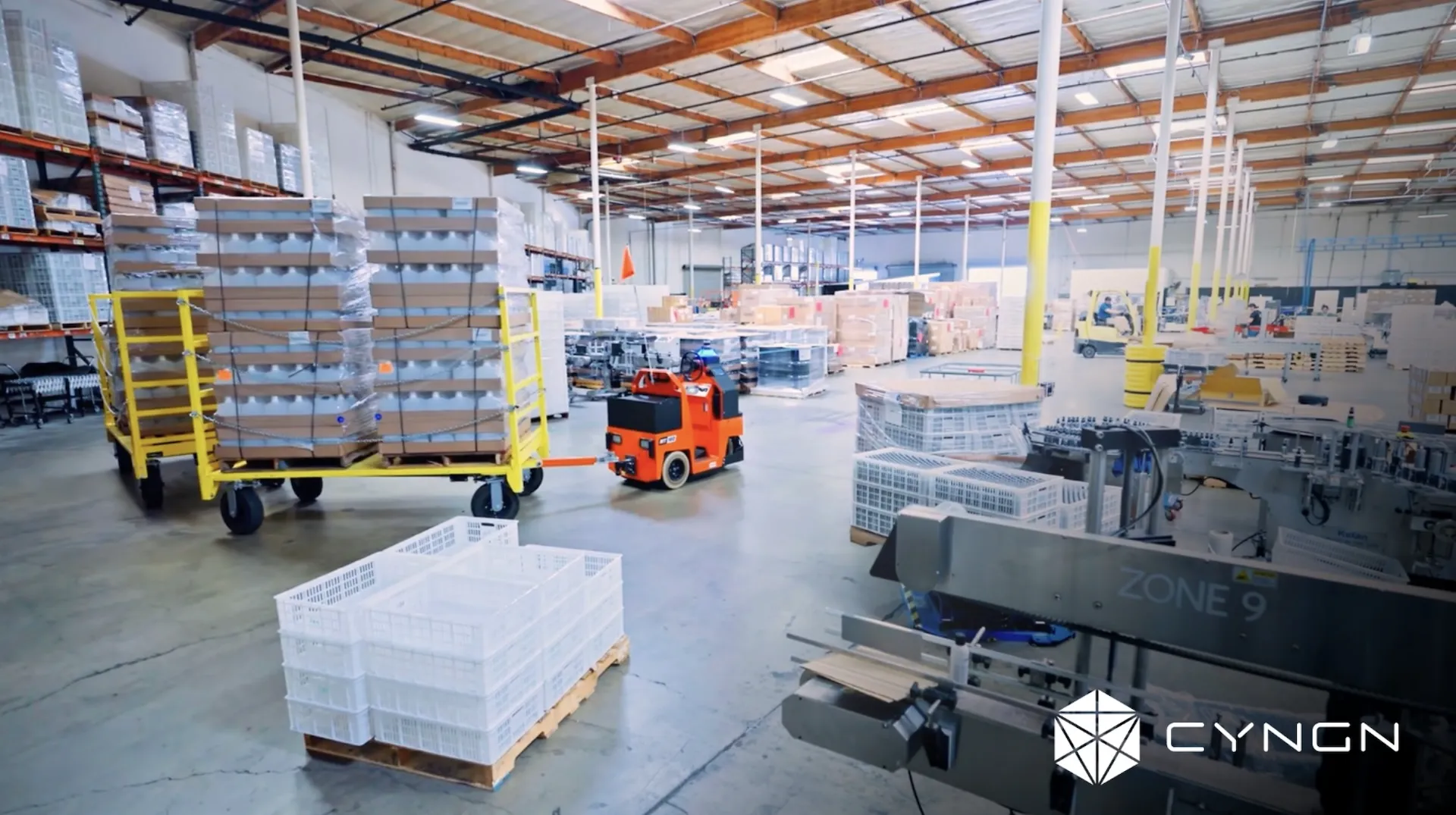
Cyngn’s DriveMod platform enables industrial vehicles to operate autonomously in environments such as manufacturing plants, warehouses, distribution centers, and industrial facilities.
Shift Toward Large-Scale Deployments
According to Cyngn, customer discussions are increasingly centered on operational implementation and scalability rather than proving the viability of autonomous vehicle technology.
“We’re seeing a clear shift in how industrial organizations evaluate autonomy,” said Marty Petraitis, Vice President of Sales at Cyngn.
“The conversation is increasingly focused on operational deployment, scalability, and long-term value creation rather than proof-of-concept testing. Customers are asking how quickly they can implement autonomy across their facilities, not whether the technology works.”
The company said industrial operators are increasingly considering multi-vehicle deployments and integrating autonomous systems into long-term automation strategies.
DriveMod Platform Targets Industrial Applications
Cyngn currently offers its DriveMod autonomous driving technology on selected industrial vehicle platforms, including Motrec MT-160 electric tuggers and BYD forklifts.
The DriveMod Tugger is designed to transport materials across industrial sites and can haul loads of up to 12,000 pounds. Cyngn says the vehicle is intended to provide a return on investment in less than two years by reducing labor requirements and improving operational efficiency.
The company believes demand is being driven by growing interest in physical AI technologies, which combine autonomous systems, robotics, and artificial intelligence to automate physical tasks in industrial environments.
Growing Role for Industrial Autonomy
Cyngn said the broader autonomous vehicle market for industrial applications continues to mature as organizations gain confidence in deploying autonomous systems in real-world operating environments.
Rather than treating autonomy as an experimental technology, many industrial operators are now evaluating how autonomous vehicles can support workforce productivity, material movement, and facility operations on a larger scale.
The company said increasing enterprise engagement and interest in fleet-wide deployments suggest autonomous industrial vehicles could play a larger role in manufacturing, warehousing, and logistics operations over the coming years.
With commercial opportunities now spanning multiple industries and geographic regions, Cyngn sees expanding demand for autonomous vehicle solutions as companies pursue automation initiatives aimed at improving efficiency, reducing operating costs, and addressing labor challenges.


